The Ultimate Guide to Hanfu Conventions and Community Meetups
The Global Rise of Hanfu Gatherings
Over the past two decades, the Hanfu movement has evolved from a niche internet forum discussion into a vibrant, global cultural phenomenon. What began as a quest to reclaim traditional Han Chinese clothing has blossomed into a robust calendar of international conventions, local society meetups, and massive cultural tourism festivals. For enthusiasts, these events are not merely costume parties; they are immersive celebrations of history, textile arts, and community identity.
Attending a Hanfu convention requires more than just purchasing a beautiful garment. It demands an understanding of event logistics, historical etiquette, and community norms. Whether you are traveling to the historic water town of Xitang for a mega-festival or meeting a local university Hanfu society for a weekend tea ceremony, preparation is the key to a seamless experience.
Comparing Hanfu Event Types
The Hanfu community hosts a wide spectrum of gatherings. Understanding the differences will help you pack appropriately, budget correctly, and set the right expectations for historical accuracy versus creative expression.
| Event Type | Examples | Duration | Est. Budget (USD) | Dress Code Focus |
|---|---|---|---|---|
| Mega-Festivals | Xitang Hanfu Culture Week, Luoyang Peony Festival | 3–7 Days | $800–$2,000+ | High-end, historically accurate, elaborate accessories |
| Regional Conventions | Midwest Hanfu Festival, Asian Expo Hanfu Meetups | 1–2 Days | $150–$400 | Blend of historical and Xianxia/fantasy elements |
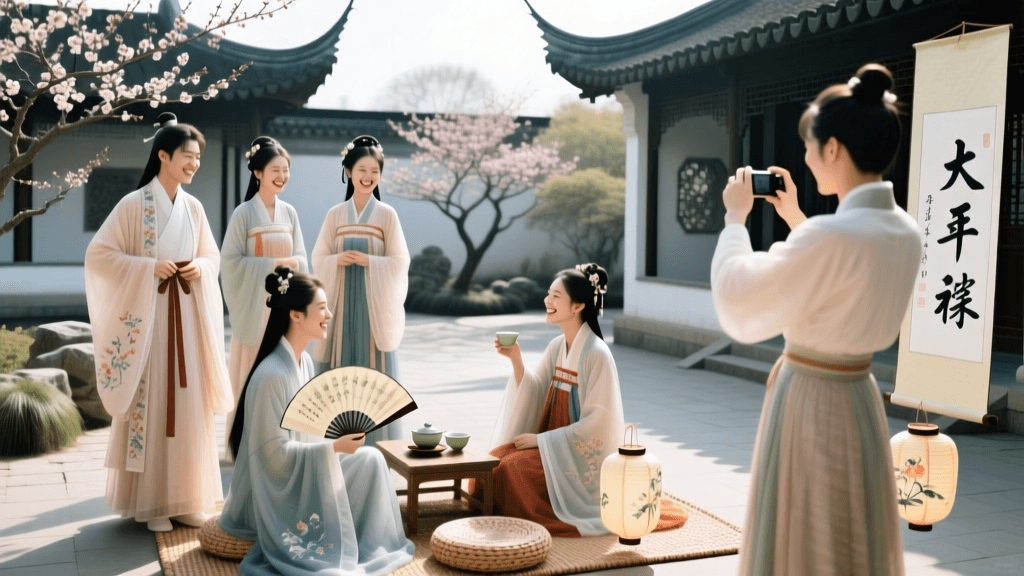
| Local Society Meetups | University club gatherings, park photoshoots, tea ceremonies | Half-Day | $20–$50 | Casual, comfortable, everyday Hanfu (Hanfu Changfu) |
Wardrobe Strategy: Packing for the Occasion
Packing for a Hanfu convention is an exercise in logistical precision. Traditional garments involve multiple layers, delicate fabrics, and specific accessories that require careful handling.
Garment Selection by Event
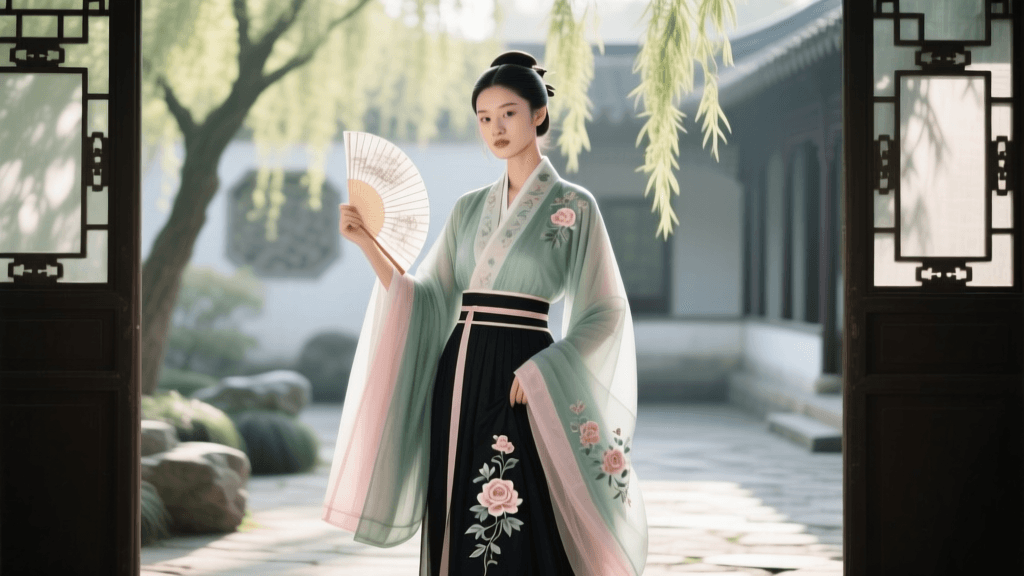
- Mega-Festivals (e.g., Xitang): Opt for show-stopping pieces like the Mamianqun (horse-face skirt) paired with a heavily embroidered Ao (jacket). Because you will be walking on cobblestone streets, ensure your skirt hem is measured to hover at least 2–3 cm above the ground to prevent mud damage.
- Indoor Conventions: Air-conditioned convention centers allow for delicate, trailing garments. This is the place to wear sweeping Qixiong Ruqun (chest-high skirts) and wide-sleeved Daxiushan (large-sleeve shirts).
- Outdoor Meetups: Choose practical, breathable fabrics. As noted in the historical analysis of Chinese textiles by the Metropolitan Museum of Art, silk has long been prized for its temperature-regulating properties, making lightweight silk or high-quality linen blends ideal for summer park gatherings.
Budgeting and Sourcing Event Garments
Building a convention-ready wardrobe requires strategic financial planning. A high-quality, historically accurate Ming Dynasty set featuring genuine silk brocade and hand-embroidered motifs can cost anywhere from $300 to over $1,500. For newcomers attending their first regional convention, consider renting from specialized Hanfu studios. Rental packages typically range from $50 to $150 for a weekend and include the garments, basic accessories, and sometimes even professional styling. If purchasing, reputable brands like Shisanyu, Zhongling, and Minghuatang offer varying tiers of quality. Always verify the fabric composition before buying; many budget-friendly sets use polyester blends that can be uncomfortably hot in crowded, poorly ventilated convention halls.
The Essential Packing List
Never pack your Hanfu in standard luggage without protection. Invest in garment bags that are at least 120 cm in length to accommodate full-length skirts without excessive folding. Your kit should include:
- 2–3 complete Hanfu sets (including inner layers like the Zhongyi)
- A portable steamer (wrinkled silk or synthetic brocade ruins photographic aesthetics)
- Safety pins, double-sided fashion tape, and extra ribbon ties (essential for securing collars and waistbands)
- Traditional hair accessories (buy a specialized jewelry box with padded dividers to prevent metal oxidation and pearl loss)
Navigating Community Etiquette
The Hanfu community is generally welcoming, but it is bound by a strong sense of respect for the culture and the individuals participating in it. When attending conventions, keep the following etiquette rules in mind:
"Hanfu is a living tradition, not a costume. Approach fellow enthusiasts with the same respect you would offer someone in modern formal wear. Always ask for consent before taking close-up photographs, and be mindful of the historical context of their garments."
Historical Accuracy vs. Creative Expression
One of the most common points of friction at conventions is the debate between historical accuracy (Fugu) and fantasy-inspired styles (Xianxia or Wuxia). At academic panels or formal ceremonies, prioritize historically verified silhouettes and avoid anachronistic makeup or modern footwear. However, at evening galas or casual meetups, creative expression is celebrated. Read the event itinerary carefully to gauge the expected dress code.
Photography and Social Media Consent
Convention spaces are highly photogenic, but they are also shared environments. If you see an attendee in an elaborate outfit, it is polite to compliment their craftsmanship before asking for a photograph. Never touch another person's garments, hairpieces, or props without explicit permission—delicate silk threads and wired velvet flowers can be easily damaged by oils and friction. Furthermore, if you post photos of fellow attendees on platforms like Instagram, TikTok, or Xiaohongshu, tag their handles if known, and avoid using filters that drastically alter the color accuracy of their meticulously chosen textiles.
A 4-Week Preparation Timeline
To avoid the stress of last-minute preparations, follow this actionable timeline leading up to a major Hanfu convention:
- Week 4: Research and Booking. Secure your event tickets and accommodations. For major events like Xitang Hanfu Culture Week, hotels within the scenic zone sell out up to six months in advance. Book a room with a large mirror and ample hanging space.
- Week 3: Wardrobe Audit and Tailoring. Try on all your planned outfits. Check the fit of your collars and the length of your skirts. If you are wearing a Mamianqun, ensure the pleats are properly aligned and the waistband sits securely at your natural waist. Send any garments requiring alterations to a tailor immediately.
- Week 2: Accessory Sourcing. Order any missing hairpins, belts, or traditional fans. If you are importing accessories from overseas retailers, factor in at least 10–14 days for international shipping.
- Week 1: Styling Practice and Packing. Practice your traditional hairstyles. Mastering the use of a hair stick (Zan) and securing a wig piece takes muscle memory. Steam your garments, pack your garment bags, and prepare a small day-bag with touch-up makeup, blister plasters, and a portable fan.
Celebrating Intangible Cultural Heritage
Modern Hanfu conventions are deeply intertwined with the preservation of Intangible Cultural Heritage (ICH). Many large-scale festivals feature dedicated pavilions for traditional crafts, such as Suzhou embroidery, velvet flower making (Ronghua), and traditional loom weaving.
These crafts are not just decorative; they are the backbone of the Hanfu supply chain. The cultivation of the materials used in these garments is a heritage practice in itself. According to UNESCO, sericulture and silk craftsmanship are recognized as vital intangible cultural heritage, encompassing everything from mulberry tree cultivation to the intricate weaving of silk brocades. When you attend a Hanfu convention, take the time to visit the artisan booths. Purchasing directly from heritage craftspeople not only elevates your personal wardrobe with authentic textiles but also provides crucial financial support to the artisans keeping these ancient techniques alive.
At conventions, you will often encounter master artisans demonstrating techniques that take decades to perfect. For instance, the creation of Ronghua (velvet flowers) involves splitting silk threads into microscopic fibers and shaping them with brass wire, a technique dating back to the Tang Dynasty. Engaging with these artisans, asking about their processes, and purchasing their authentic pieces helps sustain the economic ecosystem that makes the Hanfu movement possible. It transforms the convention from a simple social gathering into a vital engine for cultural preservation.
Conclusion
Participating in Hanfu community events and conventions is a profoundly rewarding experience that connects you to a global network of history enthusiasts, textile artists, and cultural advocates. By understanding the nuances of event types, preparing your wardrobe with logistical care, and respecting community etiquette, you ensure that your presence adds to the beauty and dignity of the gathering. Whether you are marveling at the silk-weaving demonstrations or simply sharing a cup of tea with a fellow enthusiast in a local park, the Hanfu community offers a vibrant, welcoming gateway into the rich tapestry of Asian traditions.