Kimono Straight-Line Cutting: Zero-Waste Techniques 2026
The Foundation: Tanmono and Rectangular Geometry
The traditional Japanese kimono is a masterclass in geometric precision and sustainable design. In 2026, as the global fashion industry grapples with stringent new textile waste regulations and a massive consumer demand for circularity, the centuries-old construction technique of Chokusen-dachi (straight-line cutting) offers a profound blueprint for zero-waste garment creation. Unlike Western tailoring, which relies on curved armholes, darts, and complex grading that inevitably leaves behind 15% to 20% of fabric as offcuts, the kimono is constructed entirely from rectangular panels. This article explores the intricate construction techniques of the kimono, how its geometry eliminates waste, and how modern makers and designers in 2026 are adapting these methods for contemporary sustainable fashion.
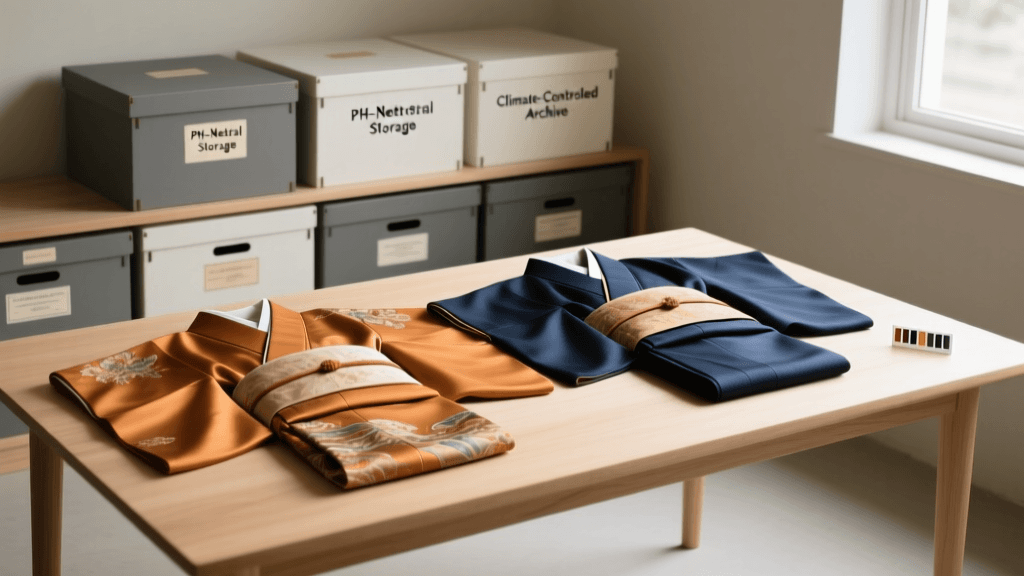
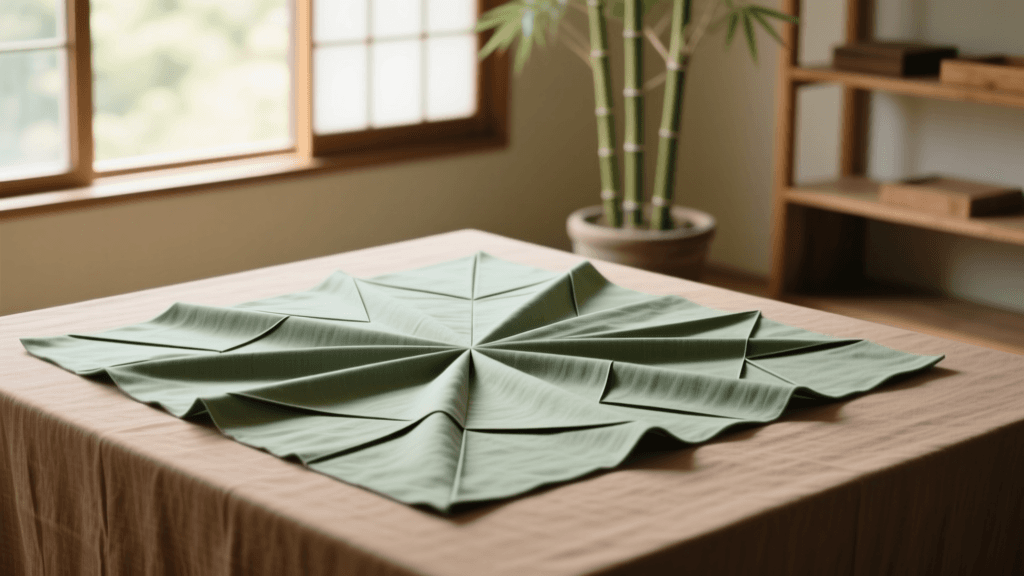
At the heart of this zero-waste system is the tanmono, a standard bolt of fabric. According to the Metropolitan Museum of Art, the traditional kimono is designed around the dimensions of this specific textile bolt, which typically measures approximately 36 centimeters (14 inches) in width and 12 meters (13 yards) in length. Because the garment is drafted using straight lines parallel to the selvedge, every single centimeter of the 12-meter bolt is utilized. There are no curved armholes to cut away, no diagonal waistlines to discard, and no complex collar shaping that leaves behind irregular scraps. When the cutting is complete, the only 'waste' is a small, manageable rectangle of fabric from the neck opening, which is traditionally repurposed for undergarments or patchwork.
Core Construction Techniques of the Kimono
The assembly of a kimono relies on a series of highly specific, straight-seam construction techniques that allow the garment to drape elegantly over the human form without the need for structural tailoring or darts.
The Sleeve (Sode) Attachment
In Western garment construction, a sleeve cap is curved to fit into a similarly curved armhole, requiring easing, clipping, and often resulting in fabric waste. The kimono sode (sleeve) is a simple rectangle. It is attached to the migoro (main body panel) using a straight, linear seam that drops directly from the shoulder. The underarm is left partially open, creating a distinctive vent that allows for ease of movement and ventilation. This straight-line attachment means that the fabric grain remains perfectly parallel to the floor when the arms are extended, preserving the integrity of the woven pattern and ensuring zero tension distortion at the shoulder.
The Collar (Eri) and Overlap (Okumi)
The front overlap, or okumi, is created by slicing a straight panel from the front of the migoro and reattaching it at an angle to create the iconic V-neck crossover. The collar (eri) is a long, narrow rectangle folded in half lengthwise. By manipulating the angle at which the straight collar meets the angled okumi, artisans create a tailored fit around the neck without cutting away any fabric. The Museum of Fine Arts Boston highlights how this structural ingenuity allows the kimono to be universally sized and adjusted to the wearer's body simply by altering the depth of the crossover and the placement of the obi (sash).
Seam Allowances and the Kise Technique
One of the most remarkable construction techniques in kimono making is kise. Rather than pressing seams open or serging raw edges as in modern Western manufacturing, kimono seams are folded inward and hidden. The seam allowance is deliberately left wide, and the top layer of fabric is slightly shifted over the bottom layer before being secured with a blind stitch. This technique not only hides all raw edges—eliminating the need for overlocking or synthetic binding—but also creates a soft, rolled edge that adds structural weight and improves the drape of the silk or hemp. Because the fabric is never cut away at the seams, the garment can be entirely disassembled and re-sewn to adjust the fit or accommodate a different wearer.
Zero-Waste Metrics: Kimono vs. Western Tailoring
To understand the environmental impact of Chokusen-dachi in the context of 2026 sustainable fashion standards, it is helpful to compare its metrics directly against conventional Western pattern drafting.
| Construction Metric | Traditional Kimono (Chokusen-dachi) | Standard Western Tailored Garment |
|---|---|---|
| Fabric Waste | ~0% to 2% (Neck cutout only) | 15% to 25% (Curved armholes, darts, grading) |
| Seam Geometry | 100% Straight lines, parallel to selvedge | Complex curves, bias cuts, and angled seams |
| Edge Finishing | Hidden via Kise folding; no raw edges exposed | Serged, overlocked, or bound with synthetic tape |
| End-of-Life Circularity | High (Toka unsewing allows full fabric recovery) | Low (Mixed materials, complex seams hinder recycling) |
| Pattern Grading | Adjustable via crossover depth and Obi placement | Requires entirely new patterns and fabric layouts per size |
The Art of Toka: Disassembly and Circularity
A crucial element of kimono construction is that it is designed to be temporary. The practice of toka (unsewing) involves taking the garment completely apart into its original rectangular panels. Historically, this was done so the fabric could be washed flat on wooden boards, stretched, and re-dyed without the seams puckering or fading unevenly. In 2026, this historical necessity is recognized as the ultimate circular economy model. Because the panels are never permanently altered or cut into irregular shapes, a kimono can be unsewn, the fabric reconditioned, and the exact same tanmono panels reassembled into a new garment, or repurposed into modern home textiles, without any degradation of the material's usable surface area.
Adapting Chokusen-dachi for Modern 2026 Wardrobes
Contemporary designers and home sewists are increasingly adopting straight-line cutting to meet personal and commercial zero-waste goals. If you are looking to integrate Chokusen-dachi techniques into your 2026 sewing practice, follow this actionable guide to drafting a modern, zero-waste straight-line bodice.
Step 1: Source or Simulate a Tanmono Width
Traditional silk tanmono can be difficult to source outside of Japan, but you can simulate the technique using modern sustainable textiles. Purchase fabrics that are exactly 36cm (14 inches) wide, or carefully cut your own 36cm strips parallel to the selvedge of a wider bolt of organic linen or recycled hemp. The key is to treat the 36cm width as an unbreakable boundary.
Step 2: Draft the Eight Core Panels
Instead of drafting a pattern based on body measurements, draft based on the fabric width. For a basic straight-line wrap top, you will need:
- Two Migoro (Body Panels): Cut to your desired torso length plus 10cm for hem and shoulder folding.
- Two Sode (Sleeves): Cut to your desired sleeve length (e.g., 40cm) using the full 36cm width.
- Two Okumi (Front Overlaps): Cut diagonally from a rectangular panel to create the wrap closure.
- One Eri (Collar): A long, narrow strip (approx 8cm wide) cut from the remaining fabric.
Step 3: Utilize the Kise Seam Allowance
Sew your straight seams using a 1.5cm allowance. Instead of pressing them open, fold the allowance entirely to one side, then fold the top layer of fabric over the seam line by 2mm. Slip-stitch the folded edge to the underlayer. This creates a beautiful, weighted drape and encloses all raw edges without the need for a serger, keeping your garment 100% free of synthetic microplastics shed by polyester sewing threads.
Step 4: Implement the Straight-Line Hem
Rather than cutting a curved hem to match the body's hips, fold the bottom edge up in a straight, wide hem (traditionally up to 15cm deep). This deep hem acts as a structural weight, pulling the lightweight linen or hemp down and creating a sleek, architectural silhouette that mimics the drape of a traditional kimono while functioning as a modern tunic or wrap dress.
Conclusion
As the fashion industry in 2026 seeks viable alternatives to the wasteful practices of fast fashion, the traditional Japanese kimono stands as a testament to the brilliance of ancestral engineering. The Chokusen-dachi straight-line cutting method proves that zero-waste design does not require complex, avant-garde pattern drafting or synthetic fabric manipulation. By respecting the geometry of the woven cloth, utilizing hidden seam allowances, and designing for eventual disassembly, modern makers can harness centuries of Asian dress traditions to build a truly sustainable, circular wardrobe for the future.