Ultimate Kimono Buying Guide: Types, Costs, and Formality
Introduction to the World of Kimono
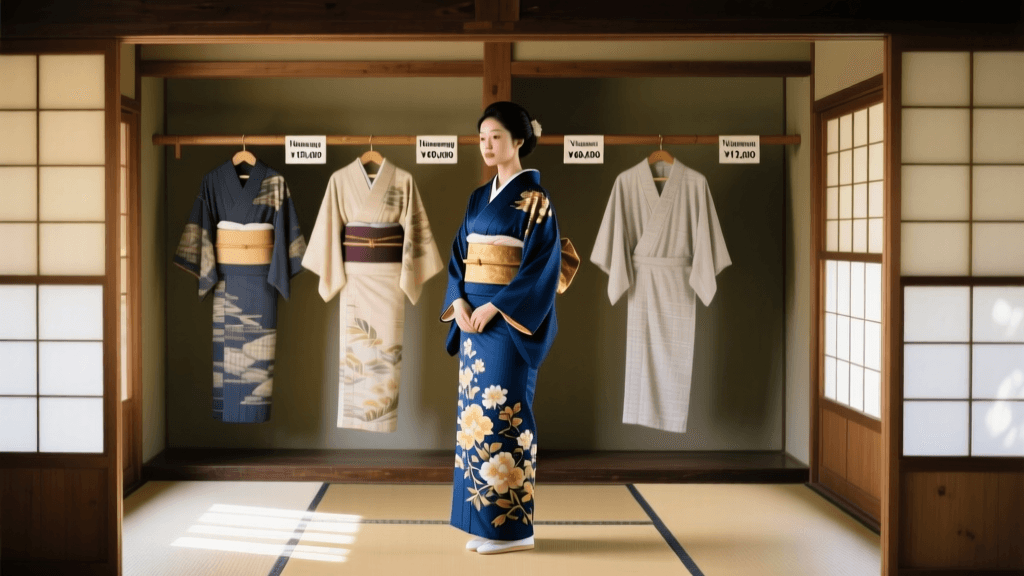
Purchasing a traditional Japanese kimono is an endeavor that transcends typical fashion shopping. It is an investment in centuries of textile artistry, cultural heritage, and strict sartorial etiquette. Unlike Western garments, which are often bought based on immediate aesthetic appeal and simple sizing, the kimono requires a nuanced understanding of formality, seasonal motifs, and complex layering. According to the Victoria and Albert Museum, the kimono's iconic T-shaped structure has remained remarkably consistent since the Edo period, serving as a canvas for Japan's most exquisite weaving and dyeing techniques.
Whether you are a textile collector, a practitioner of traditional Japanese arts, or an enthusiast looking to acquire your first authentic garment, navigating the market can be overwhelming. This comprehensive buying guide breaks down the essential types of kimono, decodes the sizing system, and outlines the hidden costs of accessories, ensuring you make an informed and culturally respectful purchase.
The Golden Rule: TPO (Time, Place, Occasion)
Before examining specific garments, every prospective buyer must understand the Japanese concept of TPO: Time, Place, and Occasion. In Western fashion, a little black dress might transition from a daytime office meeting to an evening cocktail party. In traditional Japanese dress, wearing a highly formal Kurotomesode to a casual summer festival would be a glaring faux pas, just as wearing a casual cotton Yukata to a wedding would be deeply offensive. The formality of a kimono is dictated by its fabric, the placement of its patterns, the length of its sleeves, and the presence or absence of family crests (kamon).
Comprehensive Kimono Type Comparison Chart
The following table provides a quick-reference guide to the most common types of women's kimono, their formality levels, and estimated market costs for authentic, new or high-quality vintage pieces.
| Kimono Type | Formality Level | Sleeve Length | Pattern Style | Target Demographic | Est. Cost (USD) |
|---|---|---|---|---|---|
| Yukata | Casual / Summer | Standard (approx. 49cm) | Repeating, all-over | All women | $30 - $150 |
| Komon | Casual / Everyday | Standard (approx. 49cm) | Repeating, all-over | All women | $100 - $400 |
| Houmongi | Semi-Formal | Standard (approx. 49cm) | Eba (continuous across seams) | Married & Unmarried | $500 - $2,500+ |
| Furisode | Formal | Long (75cm - 114cm) | Eba, highly decorative | Unmarried women | $1,000 - $5,000+ |
| Kurotomesode | Ultra-Formal | Standard (approx. 49cm) | Hemline only (Eba) | Married women | $800 - $3,000+ |
Deep Dive: The Five Essential Kimono Types
1. Yukata (浴衣) - The Summer Staple
The Yukata is the most accessible and widely recognized form of Japanese clothing globally. Originally worn as a bathrobe by nobility during the Heian period, it evolved into the standard summer festival garment. Made from breathable, lightweight cotton or hemp, the Yukata is unlined and worn directly over undergarments. Because it is casual, it does not require the complex, expensive silk accessories needed for formal kimono. Buying Tip: When purchasing a Yukata, look for traditional shibori (tie-dye) or chugata (medium-sized stencil dyeing) techniques. Modern, mass-produced polyester Yukata are prevalent but lack the breathability and cultural authenticity of cotton.
2. Komon (小紋) - The Everyday Silk
Komon translates to 'fine pattern.' This kimono features a repeating pattern that covers the entire garment, with no regard for how the pattern aligns at the seams. It is the workhorse of a traditional wardrobe, suitable for casual outings, dining with friends, or attending informal cultural classes like tea ceremony practice. Komon can be made of silk, wool, or modern washable polyester. Buying Tip: Vintage silk Komon are abundant in Japanese 'recycle' (vintage) shops and offer an excellent entry point for buyers wanting authentic silk without the formal price tag. Expect to pay between $100 and $400 for a piece in good condition.
3. Houmongi (訪問着) - The Elegant Visiting Wear
Houmongi is a semi-formal kimono characterized by its eba pattern—a design that flows continuously across the back, sleeves, and hem, treating the entire garment as a single canvas. The pattern is dyed onto the fabric after it has been temporarily basted together, ensuring perfect alignment at the seams. It is appropriate for weddings (as a guest), formal tea ceremonies, and gallery openings. Buying Tip: Because of the meticulous dyeing process, Houmongi are expensive. When buying vintage, inspect the seams closely; if the pattern does not match perfectly, it may be a lesser Tsukesage kimono mislabeled as a Houmongi.
4. Furisode (振袖) - The Unmarried Woman's Formalwear
Translated as 'swinging sleeves,' the Furisode is the most formal kimono for unmarried women. The sleeves can range from 75cm to an astonishing 114cm in length, historically used by women to signal romantic interest by swaying the long sleeves toward a suitor. Today, they are rented or purchased for Coming of Age Day (Seijin no Hi) and worn by unmarried female relatives at weddings. The vibrant, all-over designs often incorporate heavy gold leaf and intricate embroidery. Buying Tip: Furisode require a massive amount of high-quality silk. Due to their cost (often exceeding $3,000 new), many Japanese families opt to rent them. International buyers can find stunning vintage Furisode for $800 to $1,500, which make spectacular display pieces or red-carpet statement garments.
5. Kurotomesode (黒留袖) - The Pinnacle of Formality
The Kurotomesode is a black silk kimono featuring a pattern only along the lower hem, and it always bears five family crests (itsutsu-mon). It is the highest level of formalwear for married women, traditionally worn by the mother of the bride or groom at a wedding. The stark black silk, often woven using the prestigious Nishijin-ori technique, contrasts beautifully with the vibrant hemline and the pristine white underlayers. The UNESCO Intangible Cultural Heritage recognizes several of these traditional Japanese silk weaving techniques, underscoring the immense cultural value embedded in high-end formal kimono textiles.
Sizing and Measurements: Decoding the Fit
Unlike Western clothing, kimono are not sold in standard sizes like Small, Medium, or Large. They are tailored to the individual's height and arm span. When buying online or in vintage shops, you must know three critical measurements:
- Mitake (Length): Measured from the base of the neck to the hem. Ideally, the kimono should be equal to your height, allowing for the ohashori (the fold tied at the waist). A variance of +/- 5cm is generally adjustable.
- Yuki (Arm Span): Measured from the center of the back of the neck, across the shoulder, and down to the wrist bone. This is the most crucial measurement. If the Yuki is too short, the kimono will look ill-fitted and restrict movement.
- Hip Width: While kimono are wrapped and tied, the hip measurement dictates how much the front panels overlap. A standard kimono accommodates hips up to about 100cm (39 inches). Buyers with wider hips may need to seek out custom-tailored garments or specific vintage cuts.
The Hidden Costs: Essential Accessories
A common mistake made by international buyers is budgeting solely for the kimono itself. A kimono cannot be worn without its intricate ecosystem of accessories, which can easily double or triple your total expenditure. According to the Japan National Tourism Organization, understanding these layers is vital for anyone looking to experience or purchase traditional dress.
- Obi (Belt): A formal silk Obi (such as a Fukuro Obi) can cost anywhere from $200 to over $2,000. It is often more expensive than the kimono itself.
- Nagajuban (Under-kimono): Worn beneath the silk kimono to protect it from sweat and oils. ($50 - $150)
- Obiage & Obijime: The silk scarf and decorative cord used to secure and adorn the Obi knot. ($30 - $100)
- Tabi & Zori: Split-toe socks and traditional sandals. ($40 - $120)
- Koshihimo: A set of cotton ties used to secure the garment before the Obi is applied. ($15)
Where to Buy: New, Vintage, and Online Markets
For those seeking brand-new, bespoke kimono, a trip to Kyoto's Nishijin district or Tokyo's Ginza is mandatory. Here, master artisans will take your measurements and hand-dye silk to your specifications—a process that can take six months to a year and cost upwards of $10,000.
However, the most vibrant market for international buyers is the Recycle Shop (vintage) market. Cities like Kyoto, Kanazawa, and Tokyo are dotted with multi-story vintage kimono warehouses. Stores like Chicago in Kyoto or Tansu-ya offer thousands of pieces organized by color, formality, and season. Here, you can find museum-quality Showa-era silk Houmongi for under $300. When buying vintage, always inspect the collar for stains, check the hem for fraying, and smell the fabric to ensure it has been stored properly and is free of moth damage or mildew.
Conclusion
Buying a kimono is a deeply rewarding pursuit that connects you to a living, breathing tradition of Asian textile mastery. By respecting the TPO rules, understanding the intricate sizing metrics, and budgeting for the necessary accessories, you can build a collection that is both culturally authentic and personally meaningful. Whether you are draping a casual cotton Yukata for a summer evening or investing in a masterfully dyed Houmongi, the garment you choose will carry the weight and beauty of Japanese history.