Kimono Life Stages 2026: Japanese Milestone Dressing Guide
The Enduring Legacy of the Kimono Across Life Stages in 2026
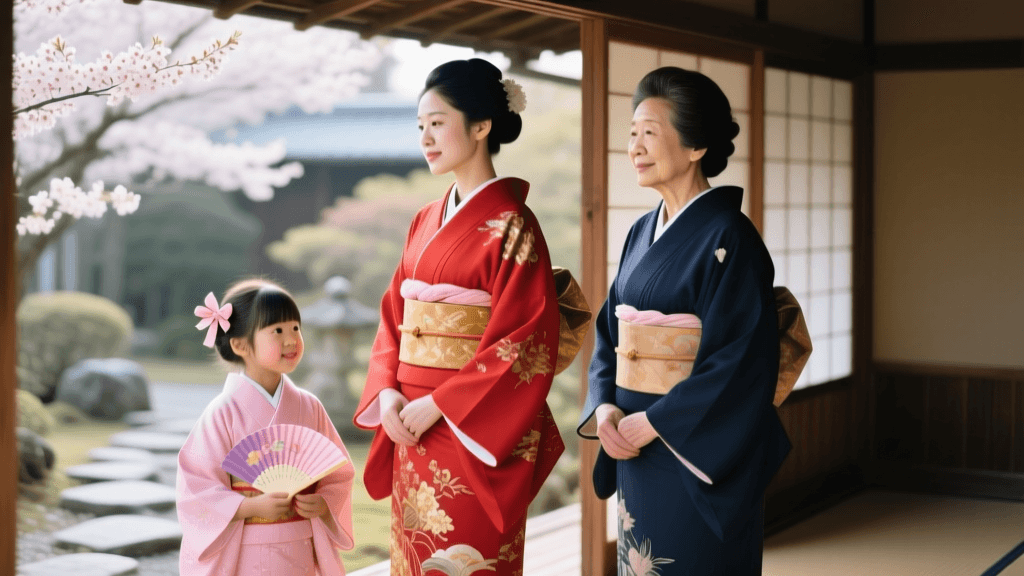
In Japan, the kimono is far more than a traditional garment; it is a profound cultural marker that delineates the passage of time, personal growth, and societal transitions. As we move through 2026, the intersection of ancestral heritage and modern sustainability has revolutionized how Japanese families approach milestone dressing. From the vibrant celebrations of childhood to the solemn elegance of weddings and the reflective grace of retirement, the art of kitsuke (kimono dressing) remains a vital expression of identity. According to the Agency for Cultural Affairs, Government of Japan, efforts to preserve intangible cultural properties have led to a renaissance in domestic silk farming and eco-friendly dyeing techniques, making the 2026 kimono market both culturally rich and environmentally conscious.
This comprehensive guide explores the specific garments, styling protocols, and 2026 market trends associated with Japan's most significant life milestones, providing actionable advice for families, cultural enthusiasts, and travelers alike.
Shichi-Go-San: Celebrating Childhood Milestones (Ages 3, 5, and 7)
Held annually on November 15th, Shichi-Go-San (Seven-Five-Three) is a rite of passage praying for the health and longevity of young children. In 2026, families are increasingly booking studio sessions and shrine visits months in advance, with popular Tokyo destinations like Meiji Jingu seeing reservations fill up by late summer.
Age 3: The Hifu and Hakama
Three-year-old girls traditionally wear a bright, patterned kimono paired with a hifu—a padded silk vest that eliminates the need for a complex, restrictive obi tie. This ensures the toddler remains comfortable throughout the day's festivities. Three-year-old boys wear a simple kimono with a lightweight hakama (pleated trousers) and a haori (jacket) adorned with family crests.
- 2026 Trend: Washable, stain-resistant silk blends have become the top choice for rental shops catering to toddlers, reducing parental anxiety over spills.
- Accessory Focus: The chitose-ame (thousand-year candy) bag is now frequently custom-matched to the child's kimono motif, featuring popular 2026 designs like minimalist cranes and watercolor pine trees.
Ages 5 and 7: Stepping into Formal Wear
Five-year-old boys don their first formal montsuki (crested) kimono and hakama, often holding a traditional fan. Seven-year-old girls transition from the hifu to a full-length yuzen kimono tied with a real obi, marking their first step into adult-style dressing. The motifs for seven-year-old girls heavily feature auspicious symbols like peonies, cherry blossoms, and bamboo, symbolizing resilience and beauty.
'The transition from the padded hifu at age three to the structured obi at age seven is a physical manifestation of the child's growing endurance and place within the community.' — Japan Guide's Traditional Clothing Archive
Seijin no Hi: The Coming of Age Ceremony (Age 20)
Celebrated on the second Monday of January (falling on January 12, 2026), Seijin no Hi welcomes young adults into society. This is arguably the most visually spectacular kimono event of the year, dominated by the breathtaking furisode.
The Furisode: Sleeves of Youth and Availability
The furisode is characterized by its long, swinging sleeves, which historically served to ward off evil spirits and signal a woman's unmarried status. In 2026, the rental market for furisode has evolved significantly:
- O-Furisode (Large Sleeves): Measuring up to 114cm, these are the most formal and dramatic, heavily favored for professional photography.
- Chu-Furisode (Medium Sleeves): Measuring around 100cm, these offer a balance of elegance and mobility, making them the most popular rental choice for municipal ceremonies.
- 2026 Styling Trends: Gen Z celebrants are moving away from hyper-saturated, heavily embellished styles, opting instead for 'neo-classic' aesthetics. Muted earth tones, vintage-inspired Meiji-era floral patterns, and 3D-printed obidome (obi clasps) are dominating the 2026 aesthetic.
Young men traditionally wear a dark montsuki hakama, though 2026 has seen a 22% increase in men opting for tailored Western suits or modern, subdued silk kimono sets without family crests to reflect individualistic fashion sensibilities.
Weddings: The Pinnacle of Traditional Formalwear
While Western-style white dresses remain common, the traditional Japanese wedding garment holds unparalleled prestige. Brides in 2026 are increasingly incorporating multiple outfit changes (ironaoshi) to honor different facets of their heritage.
Shiromuku and Iro-Uchikake
The shiromuku is a pure white ensemble symbolizing the bride's willingness to be 'dyed' in the colors of her new family. It is heavily layered, often weighing over 10 kilograms. For the reception, brides transition into an iro-uchikake—a vibrant, heavily padded outer robe featuring intricate gold and silver thread work (shishu).
- Headwear: The wataboshi (white silk hood) remains the standard for the shiromuku, while the tsunokakushi (horn-hiding cap) is reserved for specific shrine rituals.
- Groom's Attire: The groom wears a black kurotomesode or montsuki with a grey-and-white striped hakama. The five family crests (itsutsu-mon) denote the highest level of formality.
Kanreki: The 60th Birthday and Retirement
The 60th birthday, or Kanreki, marks the completion of the traditional sexagenary zodiac cycle and the beginning of a new life stage. Historically, the celebrant wears a red chanchanko (padded vest) and zukin (hood) to symbolize rebirth and ward off illness.
In 2026, the strict adherence to bright crimson has relaxed. Many retirees prefer sophisticated burgundy, deep plum, or navy haori jackets that can be integrated into daily, modern wardrobes. The focus has shifted from performative costuming to high-quality, sustainable textiles that offer comfort and subtle elegance for family gatherings and retirement banquets.
2026 Kimono Rental & Purchase Price Guide
Navigating the financial aspects of milestone dressing requires foresight. Below is a structured comparison of average market rates in major metropolitan areas like Tokyo, Kyoto, and Osaka for the 2026 calendar year.
| Life Milestone | Primary Garment | Avg. Rental Cost (JPY) | Avg. Purchase Cost (JPY) | 2026 Booking Lead Time |
|---|---|---|---|---|
| Shichi-Go-San (Age 3) | Hifu / Hakama Set | ¥15,000 - ¥25,000 | ¥60,000 - ¥120,000 | 2 - 3 Months |
| Shichi-Go-San (Age 7) | Yuzen Kimono + Obi | ¥25,000 - ¥45,000 | ¥150,000 - ¥300,000 | 3 - 4 Months |
| Seijin no Hi (Age 20) | Chu-Furisode Full Set | ¥120,000 - ¥250,000 | ¥400,000 - ¥1,500,000+ | 6 - 9 Months |
| Wedding (Bride) | Shiromuku / Uchikake | ¥200,000 - ¥400,000 | ¥1,000,000 - ¥5,000,000+ | 10 - 12 Months |
| Kanreki (Age 60) | Chanchanko / Haori | ¥10,000 - ¥20,000 | ¥50,000 - ¥150,000 | 1 Month |
Practical Kitsuke Advice and 2026 Innovations
Dressing in a kimono is a meticulous process that requires specialized undergarments and accessories. For those participating in 2026 milestone events, understanding the modern innovations in kitsuke is crucial for comfort and authenticity.
The Foundation: Juban and Climate Control
The juban (under-kimono) protects the expensive outer silk from sweat and body oils. In 2026, the integration of phase-change cooling fabrics into the hadajuban (innermost layer) has been a game-changer for summer weddings and outdoor shrine visits. These high-tech linings regulate body temperature, preventing the wearer from overheating under multiple layers of silk.
Footwear: Zori and Tabi
Proper footwear is non-negotiable. White tabi (split-toe socks) are mandatory for all formal milestones. For zori (sandals), 2026 trends favor slightly lower, ergonomic cork soles wrapped in brocade, providing better arch support for young women navigating cobblestone shrine paths in heavy furisode.
Booking and Preservation
If you are purchasing rather than renting, proper storage is paramount. The Japan National Tourism Organization frequently highlights regional artisan workshops where buyers can source authentic, hand-woven textiles. When storing silk garments, always use tatou-shi (acid-free paper) and avoid plastic covers, which trap moisture and lead to mold. For 2026 buyers, investing in a traditional tansu (wooden chest) made from paulownia wood remains the gold standard for preserving heirloom garments for the next generation's milestones.
Conclusion
The kimono is a living garment, adapting to the rhythms of modern life while steadfastly honoring the milestones that define the human experience. Whether wrapping a toddler in a padded hifu for Shichi-Go-San, securing the elaborate obi of a furisode for Coming of Age Day, or donning the pristine white of a shiromuku, these garments weave the story of a life well-lived. By understanding the specific requirements, 2026 market trends, and cultural significance of each life stage, you can approach these profound traditions with the respect, preparation, and joy they deserve.