Kalotaszeg Táncház Dance Costumes: 2026 Festival Guide
The Revival of Kalotaszeg Folk Dress in 2026
The Táncház (dance house) movement remains one of Europe’s most vibrant folk revivals, transforming historical village traditions into living, breathing festival culture. As enthusiasts prepare for the April 2026 National Táncház Festival in Budapest, the demand for authentic regional attire has reached new heights. Among the most sought-after garments are the traditional costumes of Kalotaszeg, a historic ethnographic region in Transylvania renowned for its striking, high-contrast embroidery and dynamic dance heritage.
According to the UNESCO Intangible Cultural Heritage registry, the Táncház method is a premier model for transmitting intangible cultural heritage. This recognition has fueled a 2026 resurgence in artisan workshops dedicated to recreating museum-quality garments for active folk dancers. Unlike static museum displays, Kalotaszeg costumes are engineered for movement, designed to accentuate the sharp, rhythmic footwork and sweeping turns of traditional Transylvanian dances.
Anatomy of the Women’s Festival Viselet (Attire)
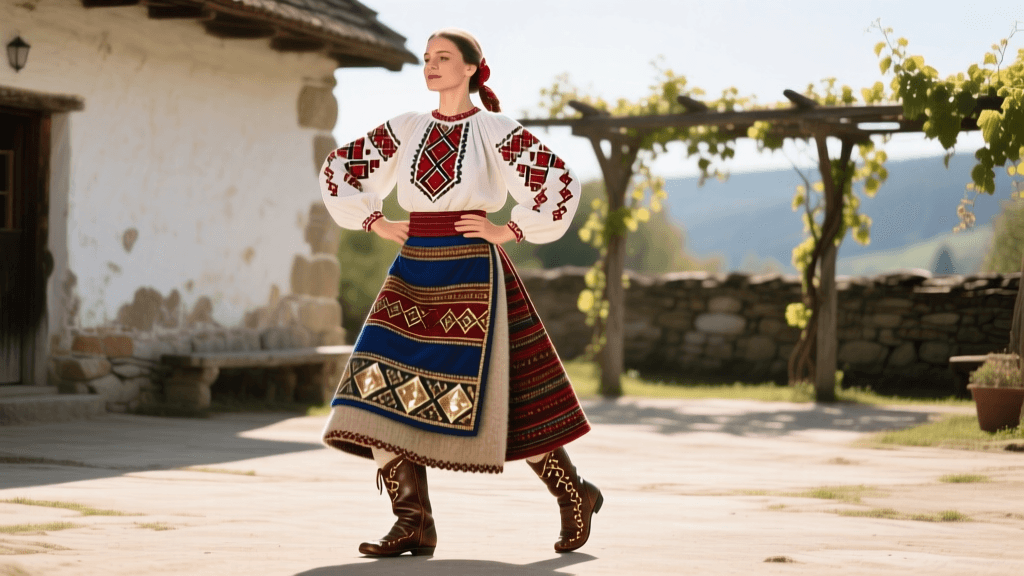
The women’s folk dress of Kalotaszeg is a masterclass in textile layering and symbolic color coding. For major 2026 spring festivals, dancers adhere to strict regional guidelines regarding the combination of garments, ensuring historical accuracy while accommodating the physical demands of the dance floor.
The Ing (Blouse) and Írásos Embroidery
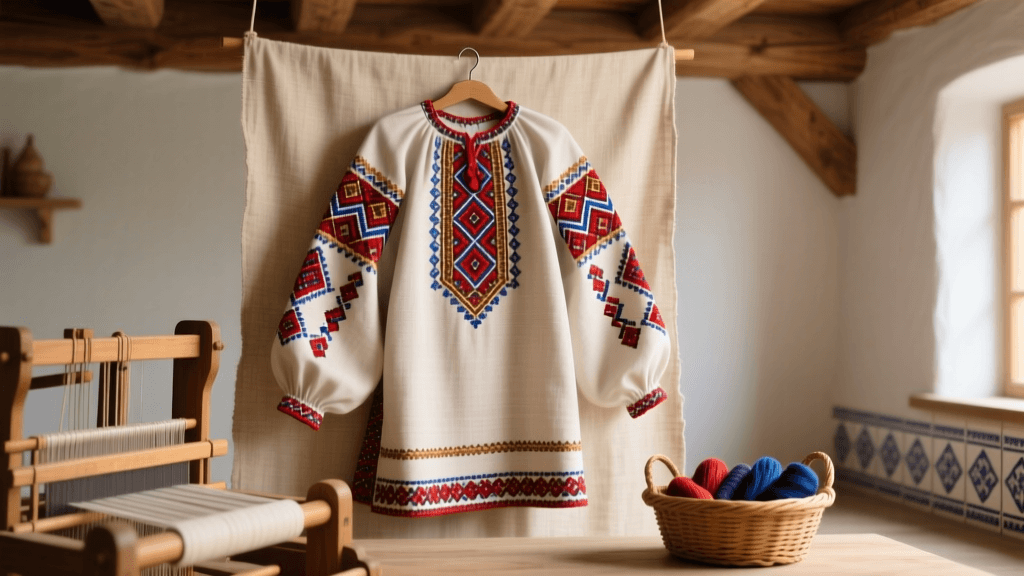
The foundation of the women's attire is the ing (linen blouse). Kalotaszeg is famous for its írásos (written) embroidery, a technique where complex, curvilinear floral and geometric motifs are drawn onto the fabric before being stitched. In 2026, master embroiderers use high-count heritage linen, stitching the cuffs, collar, and shoulders in deep crimson, black, and occasionally metallic blue threads. The sleeves are intentionally cut wide and gathered at the wrist, allowing for unrestricted arm movements during partner swings and circle dances.
The Mellény (Bodice) and Layered Szoknya (Skirts)
Over the blouse, dancers wear a mellény, a heavily embroidered velvet or wool vest. The vest is tailored snugly to provide core support during rapid spins. Below the waist, the silhouette is defined by the szoknya (skirts). A festival-ready Kalotaszeg outfit in 2026 often involves layering between five and twelve starched cotton petticoats beneath a richly pleated outer skirt. This extreme layering creates a bell-like shape that flares dramatically during the csárdás (a traditional couple's dance), with the centrifugal force pushing the heavy hems outward.
The ensemble is finished with a muszuj, a highly decorated apron worn over the skirts, and a silk headdress. Unmarried women traditionally wear the pártás (a beaded, floral crown), while married women don the főkötő, an intricate, lace-trimmed bonnet that secures tightly to withstand vigorous dancing.
Men’s Attire for the Legényes Dance
The men’s folk costume of Kalotaszeg is built for the legényes, a virtuosic, improvisational solo dance characterized by rapid heel-clicking, slapping, and leaping. The garments must be durable, flexible, and visually striking.
The Embroidered Shirt and Vest
Men wear a loose-fitting linen shirt featuring írásos embroidery on the chest and cuffs, though typically more subdued in color than the women's garments. Over this, a dark wool or broadcloth vest (lajbi) is worn, fastened with cast brass or silver buttons. The vest is cut high under the arms to prevent fabric bunching when the dancer raises his arms to snap his fingers or slap his thighs and boots.
The Nadrág (Trousers) and Csizma (Boots)
The nadrág are wide-legged, pleated linen or wool trousers tucked into the most critical element of the men's dance gear: the csizma (leather boots). For the 2026 festival season, dancers are commissioning custom-fitted boots with reinforced, hardened leather heels and thick soles. The hard heel is essential for producing the sharp, percussive clicks that serve as the rhythmic backbone of the legényes. A wide leather belt (szíj) and a brimmed hat (kalap) adorned with peacock feathers and silk ribbons complete the silhouette.
'The boot is not just footwear; it is a percussion instrument. A properly crafted Kalotaszeg csizma allows the dancer to converse with the musician through rhythm.' — Master Bootmaker István Varga, 2026 Táncház Symposium.
2026 Sourcing Guide and Artisan Pricing
Sourcing authentic Kalotaszeg garments requires navigating a network of specialized artisans and heritage cooperatives. Mass-produced costume shop replicas are heavily frowned upon in the Táncház community. Below is a guide to the estimated costs and sourcing channels for authentic, dance-ready garments in 2026.
| Garment Component | Material & Specifications | Est. 2026 Cost (EUR) | Recommended Sourcing Channel |
|---|---|---|---|
| Women's Írásos Blouse | 100% heritage linen, hand-embroidered | €350 - €550 | Kalotaszeg Artisan Cooperatives (Transylvania) |
| Women's Velvet Mellény | Cotton velvet, silk floral appliqué | €250 - €400 | Heritage House (Hagyományok Háza) Artisans |
| Layered Petticoats (Set of 5) | Starched cotton broadcloth, lace trim | €180 - €250 | Specialized Táncház Tailors in Budapest |
| Men's Dance Csizma (Boots) | Full-grain leather, hardened percussive heel | €300 - €450 | Custom Cordwainers (Váci Street District) |
| Men's Broadcloth Vest | Wool broadcloth, brass button hardware | €200 - €320 | Regional Folk Tailors (Kolozsvár/Cluj) |
Experts at Hagyományok Háza (Heritage House) in Budapest strongly recommend ordering custom-fitted dance boots and bodices at least four months prior to the spring festival season, as artisan waitlists for the 2026 season are exceptionally long due to the global revival of interest in Eastern European folk arts.
Costume Dynamics on the Dance Floor
Understanding how these garments interact with the dancer's body is crucial for anyone participating in a Táncház event. The weight of the women's layered skirts acts as a natural momentum builder; once a dancer initiates a turn, the heavy hems carry the rotation forward, requiring precise core control to stop on a dime. Conversely, the men's wide trousers allow for the deep, grounded squats and explosive vertical leaps required in the legényes.
The textiles also play an auditory role. The crisp, heavily starched cotton of the petticoats creates a distinct rustling sound—often described as a 'whispering' effect—that complements the live folk band's string instruments. The Museum of Ethnography in Budapest notes that historical village dancers would intentionally starch their skirts with wheat paste to achieve this exact acoustic and visual rigidity, a practice many modern revivalists have reinstated for major 2026 competitions.
Preservation and Care for Hand-Embroidered Linens
Maintaining museum-quality folk dress requires meticulous care, especially after being worn in high-energy, crowded festival environments. The írásos embroidery is particularly vulnerable to friction and improper washing.
- Washing: Never machine-wash hand-embroidered linen blouses. They must be soaked in cool water with a pH-neutral textile detergent. Avoid wringing the fabric, which can distort the intricate stitch tension.
- Starching: The cotton petticoats and aprons require re-starching after every wash to maintain their structural bell-shape. In 2026, many dancers use a modern spray-starch alternative derived from natural potato starch to maintain historical authenticity while ensuring fabric breathability.
- Storage: Velvet vests and silk headdresses should be stored in breathable cotton garment bags. Never store Kalotaszeg garments in plastic, as trapped moisture will degrade the natural fibers and cause the metallic embroidery threads to tarnish.
- Boot Maintenance: The percussive heels of the csizma must be inspected for micro-fractures after every festival. Apply a high-quality leather conditioner to the uppers monthly to prevent the leather from drying out and cracking under the stress of repetitive stomping.
As the 2026 Táncház festival season approaches, the dedication to preserving the Kalotaszeg costume tradition highlights a broader European movement: treating folk dress not as a relic of the past, but as a dynamic, functional, and essential component of living cultural heritage.