Exploring Kabuki & Noh Theater Kimonos: A 2026 Guide
The Soul of the Stage: Understanding Shozoku
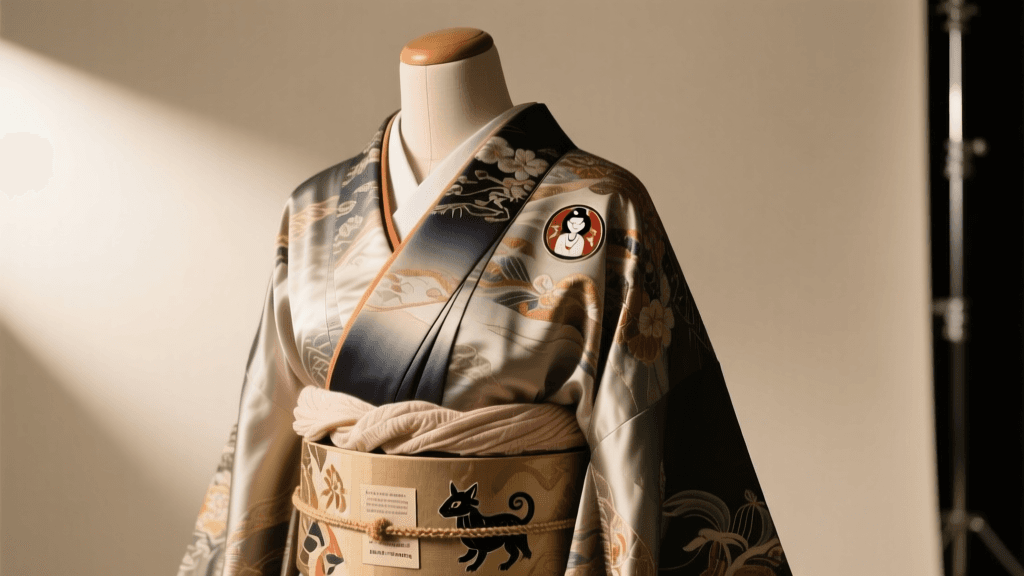
When discussing traditional Japanese garments, the conversation often centers on everyday or ceremonial kimono. However, the most breathtaking, structurally complex, and symbolically dense textiles in Japanese history belong to the stage. Known collectively as shozoku, the costumes of classical Japanese theater—spanning Noh, Kabuki, and Bunraku—are not merely clothing; they are architectural marvels of silk, gold leaf, and embroidery designed to convey character, emotion, and supernatural status from a distance. As we navigate the 2026 exhibition season, major cultural institutions are unveiling newly restored theatrical garments, offering unprecedented insight into the weaving techniques that have defined Japanese performance art for centuries.
Unlike standard kimono, which prioritize drape and subtle elegance, stage kimono are engineered for theatrical impact. They must withstand rigorous movement, project vivid colors under specialized stage lighting, and facilitate rapid transformations. For textile collectors, fashion historians, and cultural enthusiasts in 2026, understanding the distinct differences between Noh, Kabuki, and Bunraku costumes is essential for appreciating the pinnacle of Asian sartorial traditions.
Noh Theater: The Subtle Elegance of Karaori and Surihaku
Noh theater, recognized globally for its masked performances and slow, deliberate movements, relies on costumes that embody a profound spiritual weight. According to the UNESCO Intangible Cultural Heritage registry, Nogaku theater integrates multiple art forms, with the costume serving as a vital conduit for the actor's transformation into gods, demons, or tragic spirits. The primary garment in Noh is the karaori, a heavily brocaded robe that mimics the opulent Chinese textiles historically imported to Japan. Woven in the Nishijin district of Kyoto, karaori features floating weft threads that create a raised, three-dimensional pattern, often depicting autumn grasses, peonies, or geometric clouds.
Another critical Noh textile is the surihaku, a garment where gold or silver leaf is pressed directly onto the silk using a specialized adhesive paste. Unlike embroidery, surihaku catches the dim stage light in a way that makes the actor appear to emanate an ethereal glow. In 2026, conservators at the National Noh Theatre in Tokyo are utilizing advanced multispectral imaging to map the degradation of these metallic leaf applications, revealing original stencil patterns that have been invisible to the naked eye for over three hundred years. The stiffness of the karaori and surihaku is intentional; the heavy, unyielding fabric forces the actor to move with a grounded, gliding grace, fundamentally shaping the choreography of the performance.
Kabuki Theater: Spectacle, Hikinuki, and Heavy Silk
If Noh is a whisper, Kabuki is a shout. Emerging in the Edo period as a populist, highly stylized form of entertainment, Kabuki demands costumes that are visually explosive. The National Theatre of Japan frequently highlights the sheer scale of Kabuki wardrobes, where a single lead actor may wear multiple layers of heavily padded uchikake (outer robes) that can weigh upwards of 20 kilograms. These garments are dyed using the ogawa technique, featuring massive, bold, and asymmetrical patterns designed to be legible to audiences sitting in the furthest balconies.
The most famous mechanical innovation in Kabuki costuming is the hikinuki (pulling out) technique. This allows for instantaneous costume changes on stage without the actor ever leaving the audience's sight. Garments designed for hikinuki are basted together with specialized thick cotton threads. At the climax of a dramatic scene, stage assistants (kuroko) pull these threads simultaneously, causing the outer robe to fall away and instantly reveal a completely different, brightly colored kimono underneath. In 2026, contemporary Kabuki costumers are experimenting with high-tensile, biodegradable silk threads for hikinuki, ensuring that the rapid changes remain flawless while adhering to modern sustainable textile practices.
Bunraku: Miniature Masterpieces of Puppetry
Bunraku, the traditional Japanese puppet theater, presents a unique set of sartorial challenges. The puppets, which are operated by three visible puppeteers, range from one-half to two-thirds the size of a human adult. Consequently, Bunraku costumes must be meticulously scaled down while retaining the exact structural integrity, layering, and textile quality of full-sized human garments. The kosode (small-sleeved kimono) worn by Bunraku puppets feature the same intricate Nishijin brocades and Yuzen dyeing techniques as their Kabuki counterparts, but they are tailored to accommodate the complex wooden armatures and joint mechanisms of the puppets.
The articulation of the puppet's sleeves and hem requires the silk to be exceptionally supple yet heavy enough to drape realistically when the puppet is in motion. Master puppeteers often work directly with textile artisans to adjust the weight of the silk lining, ensuring that a ghostly female character's garment flows with an otherworldly lightness, while a warrior's armor carries a stiff, imposing rigidity.
2026 Innovations in Theatrical Textile Preservation
The preservation of historical stage kimonos has entered a new era in 2026. The combination of heavy metallic threads, organic dyes, and the physical stress of stage performances makes theatrical garments highly susceptible to deterioration. Modern conservation labs in Kyoto and Tokyo are now employing anoxic (oxygen-free) display cases filled with inert argon gas to halt the oxidation of gold threads and metallic leaf. Furthermore, AI-assisted thread counting software is being used to analyze the weave density of fragile 18th-century karaori without requiring physical contact, allowing researchers to attribute garments to specific historical weaving houses with pinpoint accuracy.
Comparative Guide: Noh vs. Kabuki vs. Bunraku Costumes
Understanding the functional and aesthetic differences between these three theatrical forms is crucial for any student of Asian traditions. The table below outlines the primary characteristics of each style as observed in current 2026 exhibitions.
| Theater Style | Primary Garment | Key Textile Technique | Average Weight | Visual Motif & Function |
|---|---|---|---|---|
| Noh | Karaori / Choken | Nishijin Brocade, Surihaku (Gold Leaf) | 3 - 6 kg | Subtle, spiritual, seasonal motifs; restricts movement to enforce grace. |
| Kabuki | Uchikake / Hikinuki | Yuzen Dyeing, Heavy Embroidery, Padding | 10 - 20 kg | Bold, massive, asymmetrical patterns; designed for distance and rapid changes. |
| Bunraku | Scaled Kosode | Lightweight Silk Crepe, Scaled Brocade | 0.5 - 1.5 kg | Proportionally accurate to human wear; tailored for puppet armature articulation. |
Actionable Advice for Collectors and Enthusiasts in 2026
For collectors seeking to acquire authentic theatrical textiles, the market in 2026 offers several distinct avenues. Full stage kimonos are rarely sold outside of theatrical guilds or museum deaccessions, but ranru (fragments or patchwork) and vintage stage undergarments (juban) frequently appear in specialized antique textile auctions in Kyoto and online estate sales.
- Identify the Basting: Authentic Kabuki hikinuki garments will feature distinct, heavy basting stitches along the shoulders and sleeves, designed to be pulled out quickly. If you see reinforced, permanent stitching on a garment marketed as a hikinuki piece, it is likely a reproduction.
- Check the Linings: Stage kimonos often feature specialized linings. Noh garments may use stiff hemp or heavy cotton to maintain their architectural shape, whereas standard ceremonial kimono use soft silk habutae. The lining is a primary indicator of the garment's true theatrical purpose.
- Climate Control: If you own vintage theatrical silk, particularly pieces with surihaku (gold leaf) or metallic threads, maintain a strict environment of 20°C (68°F) and 50% relative humidity. Avoid rolling these garments, as the metallic leaf will crack and flake; instead, store them flat in acid-free, buffered tissue paper.
Whether you are attending a performance at the National Theatre in Tokyo or studying the weave structures of a 300-year-old brocade, the costumes of Japanese classical theater remain a testament to the unparalleled skill of Asian textile artisans. By understanding the mechanics, symbolism, and preservation of these garments, we ensure that the visual poetry of the stage continues to captivate audiences for generations to come.