Theater Kimono Guide 2026: Kabuki, Noh & Bunraku Costumes
The 2026 Renaissance of Japanese Theatrical Textiles
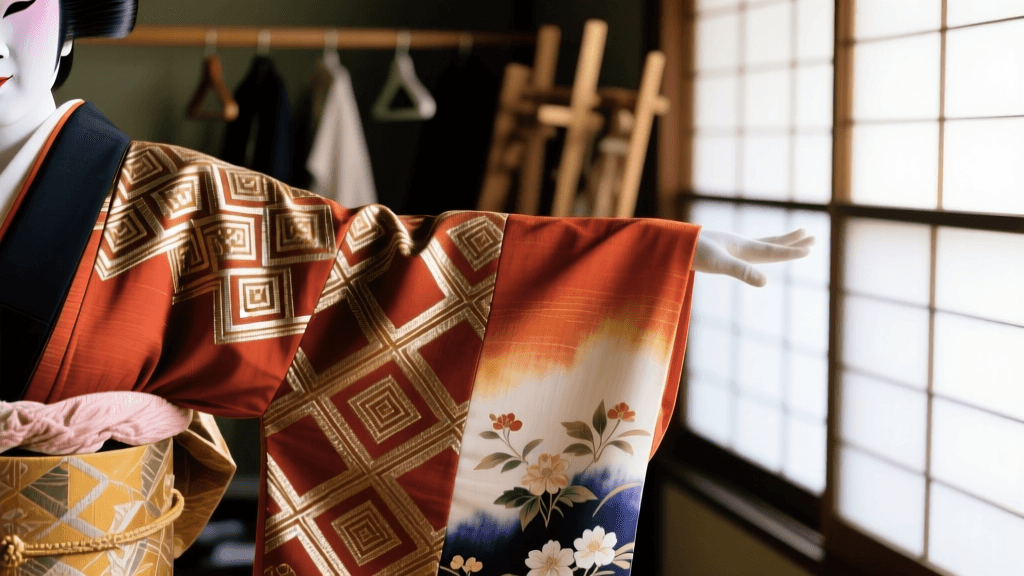
As global cultural tourism reaches new heights in 2026, Japan's traditional performing arts are experiencing a vibrant renaissance. Venues like Tokyo's Kabukiza Theatre, the National Noh Theatre, and Osaka's National Bunraku Theatre are reporting record-breaking attendance, driven by a renewed international fascination with heritage crafts. At the very heart of this theatrical revival are the isho (costumes). Far from mere clothing, the kimono and woven garments used in Kabuki, Noh, and Bunraku are sophisticated narrative devices, engineered to convey character, emotion, and supernatural status through movement, color, and textile weight.
For the modern theater-goer and textile enthusiast, understanding the distinct costume traditions of these three art forms transforms a simple stage performance into a masterclass in Japanese sartorial engineering. This guide explores the unique kimono and textile applications across Japan's major traditional theaters, offering actionable insights for appreciating these garments during the 2026 performance season.
Kabuki: The Grandeur of Hikizuri and Hikinuki
Kabuki is a theater of spectacular visual excess, and its costumes reflect this dramatic flair. Unlike the historical accuracy sought in Western period dramas, Kabuki costumes prioritize theatrical impact. The most iconic garment in the Kabuki wardrobe is the hikizuri, a trailing kimono with an extended hem that sweeps the floor, worn primarily by high-ranking courtesans (oiran) and noblewomen.
The Art of Hikinuki (Quick Change)
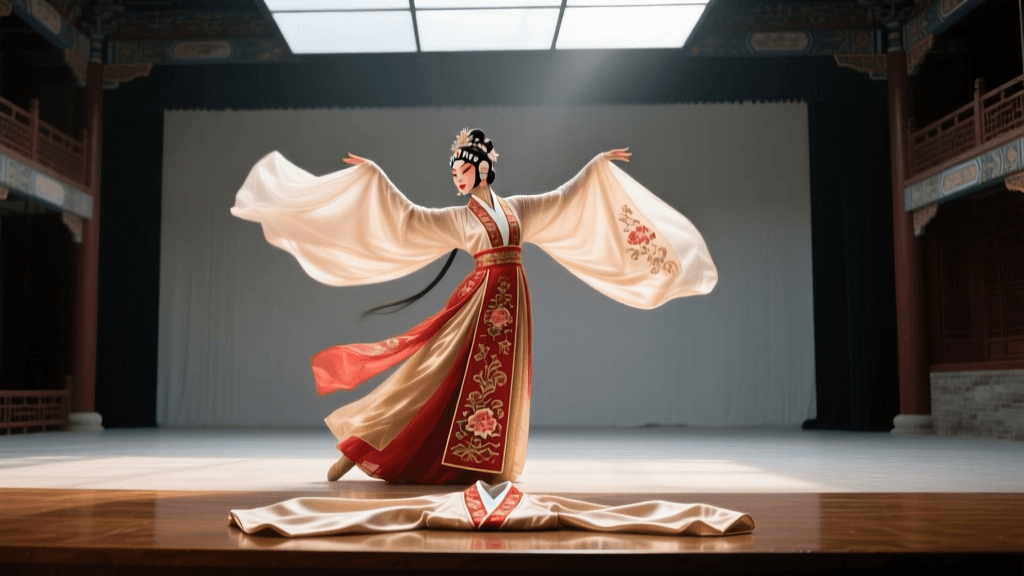
One of the most thrilling aspects of Kabuki is the hikinuki, a rapid on-stage costume change executed by the kuroko (stage assistants dressed in black). The kimono is basted together with specialized threads that, when pulled at a precise dramatic climax, instantly release the outer layer to reveal a completely different kimono underneath. In 2026, the Kabukiza Theatre has integrated subtle, sustainable silk-blend threads for these quick-change mechanisms, ensuring the structural integrity of the garments during the rigorous spring and autumn repertoires while reducing the environmental impact of traditional heavy silk production.
Textile Techniques: Yuzen and Nishijin-ori
Kabuki costumes rely heavily on bold Yuzen dyeing and opulent Nishijin-ori (brocade weaving). The vibrant, pictorial motifs of Yuzen—such as swirling water, falling cherry blossoms, or fierce dragons—are designed to be legible from the furthest seats in the theater. According to the Japan National Tourism Organization, the visual language of Kabuki textiles is intrinsically linked to the kumadori (stage makeup), with costume colors mirroring the emotional state of the character, such as red for heroism and blue for villainy.
Noh: The Spiritual Minimalism of Shozoku
In stark contrast to Kabuki's explosive visual palette, Noh theater embraces a philosophy of profound minimalism and spiritual weight. Noh costumes, collectively known as shozoku, are not meant to represent specific historical periods but rather the archetype of the character—be it a warrior, a demon, a deity, or a grieving woman.
Karaori and the Weight of the Divine
The most prestigious Noh garment is the karaori, a Chinese-style brocade woven with gold and silver threads, typically worn by female characters (played by male actors). The karaori is incredibly heavy, often weighing up to 20 kilograms. This immense weight is intentional; it restricts the actor's movement, forcing the slow, deliberate, and ethereal suruashi (sliding step) that is the hallmark of Noh performance. The Japan Arts Council's National Noh Theatre emphasizes that the preservation of these Edo-period weaving techniques is paramount, with 2026 heritage grants specifically funding the training of young Nishijin weavers to maintain the structural rigidity required for authentic karaori.
Surihaku: Pressed Gold and Silver Leaf
Another defining textile of Noh is the surihaku, a garment where gold or silver leaf is pressed directly onto the fabric using a specialized adhesive, rather than woven or dyed. This technique creates a shimmering, metallic surface that catches the sparse, deliberate lighting of the Noh stage, giving the actor an otherworldly, ghostly aura. Because the leaf can crack and flake with movement, surihaku garments are reserved for highly controlled, slow-paced roles, such as spirits or deities.
Bunraku: Miniature Mastery and Puppet Engineering
Bunraku, Japan's traditional puppet theater, presents a unique set of sartorial challenges. The puppets, which are roughly two-thirds the size of a human, are manipulated by three puppeteers. The costumes must not only look exquisite from a distance but also be structurally engineered to accommodate the complex internal rods and the puppeteers' hands.
Tailoring for the Puppet Mechanism
A Bunraku kimono is fundamentally different from a human kimono. The torso is often hollowed out or left open at the back to allow the main puppeteer to insert their arm and control the head and right hand. The sleeves are tailored with specific internal baffling to hide the black-gloved hands of the secondary puppeteers who control the left arm and legs. In 2026, the National Bunraku Theatre in Osaka has introduced lightweight, high-tensile synthetic linings in their replica costumes to reduce the physical strain on puppeteers during long, multi-act plays, while maintaining the exact external drape of traditional silk.
Miniature Nishijin Weaving
Despite their smaller scale, Bunraku costumes utilize the exact same luxury textiles as human garments. The Nishijin Textile Industrial Association in Kyoto produces specialized, scaled-down brocades specifically for Bunraku puppets. The motifs must be proportionally reduced so that a dragon or floral pattern does not look comically oversized on a 1.5-meter-tall puppet. This requires master weavers to recalibrate their Jacquard looms to achieve a miniature weave density that mimics full-scale human garments perfectly.
Comparative Guide: Identifying Stage Textiles
To help theater-goers distinguish between the costume traditions of these three art forms, refer to the comparative table below:
| Theater Form | Primary Costume Term | Key Textile Technique | Visual Function | Approximate Weight |
|---|---|---|---|---|
| Kabuki | Hikizuri / Isho | Yuzen Dyeing, Shibori | Bold character expression, rapid color changes | 5 - 12 kg |
| Noh | Shozoku / Karaori | Nishijin-ori, Surihaku | Archetypal representation, spiritual weight | 10 - 20 kg |
| Bunraku | Ningyo Isho | Scaled Nishijin-ori | Proportional realism, mechanical concealment | 1 - 3 kg |
The 2026 Theater-Goer's Guide to Appreciating Stage Kimono
Attending a traditional performance in 2026 offers unprecedented access to textile education, provided you know how to navigate the venues and utilize modern tools.
1. Leverage Augmented Reality (AR) Applications
For Kabuki enthusiasts, the Shochiku-managed Kabukiza Theatre now offers an updated 2026 AR Textile App. By pointing your smartphone at the stage during designated intermission scenes (or using the lobby's archival kiosks), the app identifies specific mon (family crests) and weaving patterns, providing real-time historical context about the silk origins and dyeing methods used in the current production.
2. Strategic Seating for Textile Viewing
If your primary interest is the intricate details of the costumes, seating selection is crucial. In Kabuki, request seats near the hanamichi (the flower path runway that extends through the audience). When actors perform their dramatic mie (poses) on the hanamichi, you will be mere feet away from the heavy gold embroidery and the layered silk hems of the hikizuri. For Noh, front-center orchestra seats are ideal for observing the subtle shift of light across the surihaku gold leaf as the actor slowly turns their mask.
3. Visit the Source: Kyoto's Nishijin District
To fully appreciate the garments seen on stage in Tokyo or Osaka, allocate a day in Kyoto's Nishijin district. The Nishijin Textile Center offers daily demonstrations of the hand-operated looms used to create the stiff, heavy brocades required for Noh karaori. In 2026, they also host a specialized exhibition on 'Theatrical Threads,' showcasing the exact basting techniques used for Kabuki's hikinuki quick-changes, allowing visitors to handle the specialized breakaway threads themselves.
4. Booking English Audio Guides in Advance
Understanding the narrative context of a costume greatly enhances its visual appreciation. Both the Kabukiza and the National Bunraku Theatre offer English audio headsets that explain the symbolism of the garments—such as why a specific pine tree motif indicates longevity, or why a reversed kimono collar signifies a ghost. Due to high demand in the 2026 tourist season, these headsets must be reserved online at least three weeks prior to the performance date via the official Japan Arts Council ticketing portal.
By understanding the profound differences between the explosive silks of Kabuki, the heavy brocades of Noh, and the engineered miniatures of Bunraku, visitors can elevate their theatrical experience from passive entertainment to a deep, immersive study of Japan's most prestigious textile traditions.