Kabuki, Noh & Bunraku Kimono Costumes: 2026 Guide
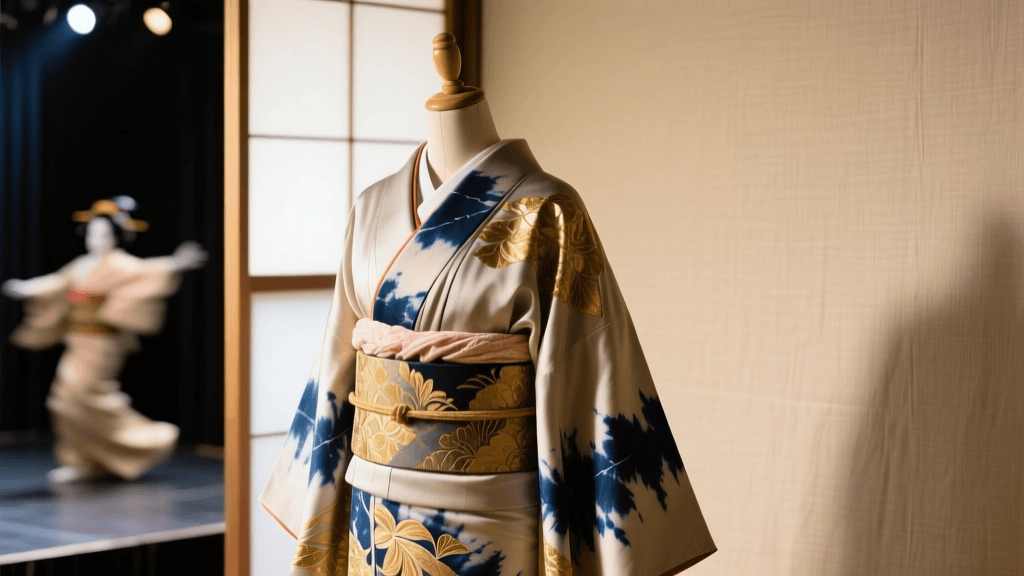
The Theatrical Trinity: Understanding Japanese Stage Garments
When exploring the rich tapestry of Asian traditions, few elements are as visually arresting and technically complex as the stage costumes of Japan’s classical theater forms. The kimono, already a masterpiece of textile engineering in everyday life, is elevated to an entirely different realm when adapted for the stage. In 2026, the intersection of historical preservation and modern theatrical demands has brought renewed global attention to the shozoku (stage costumes) of Kabuki, Noh, and Bunraku. These garments are not merely clothing; they are vital storytelling devices, conveying a character’s social status, emotional state, and supernatural abilities before a single line of dialogue is spoken.
For textile enthusiasts, fashion historians, and cultural travelers visiting Japan in 2026, understanding the distinct sartorial languages of these three theatrical forms is essential. While all three utilize traditional Japanese weaving and dyeing techniques, the functional requirements of the stage dictate vastly different approaches to weight, silhouette, and motif design. This comprehensive guide explores the unique kimono costumes of Kabuki, Noh, and Bunraku, offering actionable insights for experiencing these textile marvels firsthand.
Kabuki: Extravagance and the Art of the Hikinuki
Kabuki theater is synonymous with spectacular visual excess, and its costumes reflect this dramatic flair. Originating in the Edo period, Kabuki costumes are designed to be seen from the back rows of massive theaters like Tokyo’s Kabukiza. The primary garment used is the kosode (a precursor to the modern kimono), but it is heavily modified for the stage. Kabuki costumes are famously heavy, often weighing upwards of 20 kilograms (44 pounds) due to the extensive use of thick silk brocades, metallic threads, and elaborate embroidery.
One of the most thrilling aspects of Kabuki costuming is the hikinuki (pulling out) technique. This is a rapid, on-stage costume change where stage assistants (kuroko) pull specific basting threads, causing the outer kimono to instantly fall away or transform into a completely different garment, revealing a new costume underneath. This technique requires masterful tailoring, utilizing strategic stitching and weighted hems to ensure the silk falls perfectly in a fraction of a second. In the 2026 Kabukiza Theatre season, audiences can witness advanced iterations of hikinuki that incorporate lightweight, sustainable synthetic-silk blends developed by Nishijin weavers, allowing for even faster transitions without sacrificing the luxurious sheen of traditional gold leaf threads.
The motifs on Kabuki kimono are bold and highly symbolic. A villain might wear a kimono featuring jagged lightning bolts or venomous spiders, while a tragic heroine might wear a garment adorned with weeping cherry blossoms or flowing water. The high-contrast colors and oversized crests (mon) ensure that the character's alignment and emotional state are instantly readable to the audience.
Noh: Subtle Elegance and the Karaori
In stark contrast to the bombast of Kabuki, Noh theater is an exercise in restraint, spirituality, and subtle grace. The costumes of Noh, known collectively as shozoku, are deeply rooted in the aristocratic dress of the Muromachi period. The philosophy of yugen (profound, mysterious grace) governs every aspect of a Noh performance, including the textiles. Rather than relying on flashy colors, Noh costumes captivate through the intricate texture of the weave and the poetic subtlety of the motifs.
The most iconic Noh garment is the karaori (literally 'Chinese weave'), a stiff, heavily brocaded jacket worn by female characters (who are played by masked male actors). The karaori is woven using a complex floating weft technique that makes the silk patterns appear almost embroidered, catching the dim stage light in mesmerizing ways. Another essential garment is the surihaku, a robe featuring patterns created by pressing gold or silver leaf directly onto the silk using a rice-paste resist method.
Because Noh actors move with deliberate, gliding slowness, the costumes are layered to create a majestic, bell-like silhouette that obscures the human form entirely. The collar is often pulled back slightly to expose the nape of the neck, a traditional mark of beauty and vulnerability. For those studying textile conservation, the National Noh Theatre in Tokyo remains the premier institution for observing how these fragile, centuries-old weaving techniques are maintained and replicated for the 2026 performance calendar.
Bunraku: Puppetry and the Illusion of Scale
Bunraku, Japan’s traditional puppet theater, presents a unique set of challenges for costume designers. The puppets used in Bunraku are approximately one-half to two-thirds the size of a human, and each is operated by three puppeteers working in perfect synchronization. The costumes must therefore be scaled down, yet they must retain the exact drape, weight, and visual authority of full-sized human garments to maintain the illusion of life.
The kimono used in Bunraku are masterpieces of miniature tailoring. They are constructed from high-quality silks, but the internal padding and structural elements are carefully calibrated so that the oshizukai (the lead puppeteer who controls the head and right hand) can manipulate the garment’s sleeves to express emotion. A sudden toss of a Bunraku kimono sleeve can convey a character's despair or joy just as effectively as a human actor's movement.
Furthermore, Bunraku costumes feature hidden slits and strategic openings that allow the puppeteers to access the puppet's internal control mechanisms without disrupting the visual flow of the garment. The textiles often feature Edo-period yuzen dyeing techniques, scaled down to match the puppet's proportions. The result is a breathtakingly detailed miniature wardrobe that rivals full-sized human fashion in its complexity and beauty.
Comparative Analysis: Stage Kimono Textiles and Techniques
To fully appreciate the distinct engineering behind these theatrical garments, it is helpful to compare their structural and aesthetic priorities. The following table outlines the primary differences in costume design across the three major forms of traditional Japanese theater.
| Feature | Kabuki | Noh | Bunraku |
|---|---|---|---|
| Scale & Proportion | Human (Oversized for dramatic effect) | Human (Layered for a bell-like silhouette) | 1/2 to 2/3 Human (Miniature precision) |
| Primary Fabrics | Heavy Silk Brocade, Gold Leaf, Velvet | Karaori (Brocade), Surihaku, Plain Silk | Lightweight Silk, Scaled Yuzen Dyed Cotton |
| Key Tailoring Technique | Hikinuki (Quick-change basting threads) | Strategic Layering and Collar Manipulation | Hidden Slits for Puppeteer Arm Access |
| Motif Style | Bold, High-Contrast, Theatrical Symbolism | Subtle, Seasonal, Abstract, Poetic | Historically Accurate Edo-Period Patterns |
| Average Garment Weight | 10 - 20+ kg (Extremely Heavy) | 5 - 10 kg (Moderate to Heavy) | 0.5 - 2 kg (Lightweight for manipulation) |
How to Read Theatrical Motifs in 2026
When attending a performance or visiting a costume exhibition in 2026, knowing how to 'read' the kimono motifs will vastly enhance your experience. In Kabuki, look for the jagame (snake eye) crest, often used by characters with sinister or supernatural intentions. Conversely, the tsuru (crane) and matsu (pine) motifs denote longevity, nobility, and auspicious occasions. In Noh, pay close attention to the karaori collars; a red collar typically indicates a young woman or a spirit of high passion, while a darker, muted collar suggests an older, more sorrowful spirit. Bunraku costumes often utilize shibori (tie-dye) patterns to indicate commoner status, while intricate nishiki (brocade) denotes samurai or court nobility.
Experiencing Traditional Theater Costumes in 2026
For travelers and textile scholars planning a trip to Japan in 2026, there are several highly accessible ways to view these magnificent garments up close. The Kabukiza Theatre in Tokyo features the Kabukiza Gallery, located on the fifth floor of the theater complex. Here, visitors can view actual retired stage costumes, examining the heavy embroidery and the ingenious hikinuki threading systems without the distraction of a live performance.
In Kyoto, the heartland of traditional textile production, several Nishijin weaving houses now offer specialized 2026 workshop tours focusing specifically on theatrical brocades. These tours allow you to see the massive, computer-assisted Jacquard looms working alongside traditional hand-looms to reproduce the complex karaori weaves required for the National Noh Theatre. Furthermore, the Agency for Cultural Affairs has recently expanded its digital and physical archives, making it easier than ever for international researchers to access high-resolution textile data and view rotating exhibitions of Living National Treasure textile works.
Preservation and Modern Textile Innovations
The creation of stage kimono is a highly specialized field, relying on a dwindling number of master artisans. However, 2026 has seen a surge in innovative preservation efforts. Traditional dye houses in Kyoto are now utilizing eco-friendly, plant-based mordants that replicate the vibrant, colorfast hues of historical Edo-period dyes without the environmental toxicity of older chemical processes. Additionally, 3D digital archiving is being employed to map the exact drape and wear-patterns of centuries-old Noh garments, ensuring that if a historical piece degrades beyond repair, its exact structural dimensions can be recreated by future generations of weavers.
Whether you are marveling at the explosive color of a Kabuki quick-change, meditating on the subtle gold-leaf geometry of a Noh robe, or studying the miniature precision of a Bunraku puppet’s sleeve, the kimono of Japan’s traditional theaters remain a testament to the boundless creativity of Asian textile traditions. By understanding the unique functional and aesthetic demands of each stage, we gain a much deeper appreciation for the artisans who weave these stories into existence.