Guide to Kabuki Noh Bunraku Theater Kimonos in 2026
The Sartorial Soul of Japanese Classical Theater in 2026
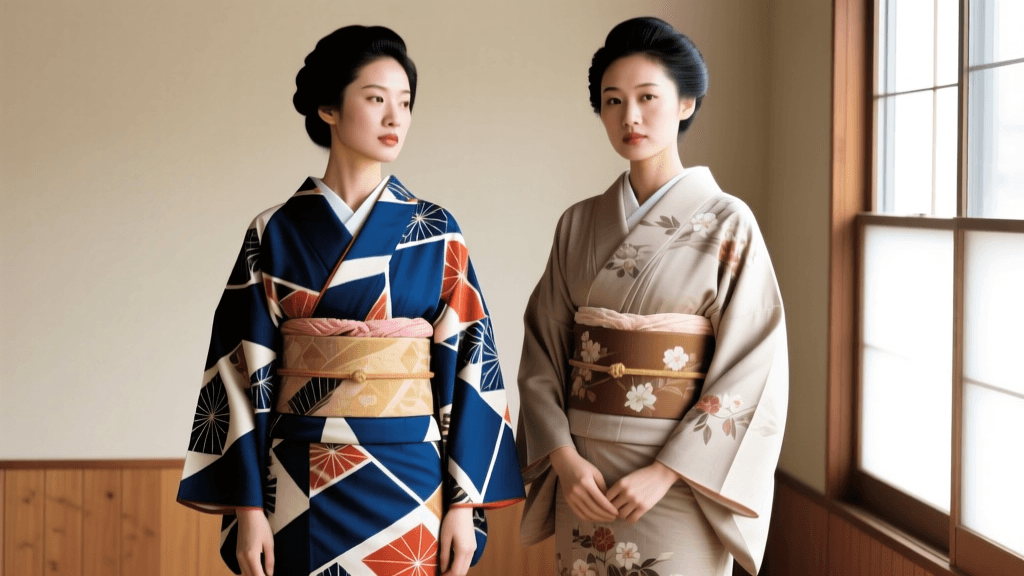
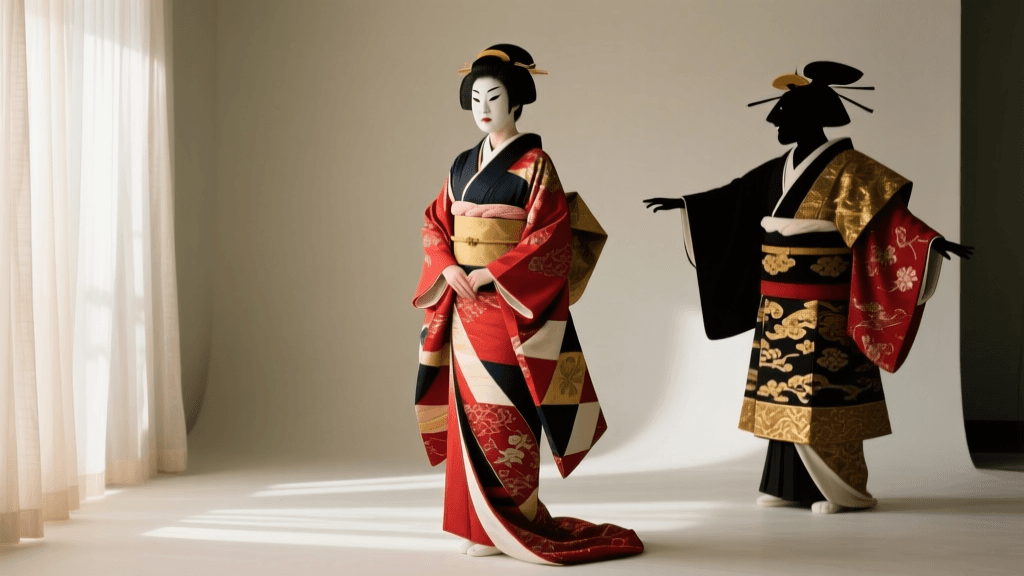
When we discuss the traditional Japanese kimono, the mind often drifts to the elegant silk garments worn during tea ceremonies, summer festivals, or coming-of-age celebrations. However, the most structurally complex, symbolically dense, and visually breathtaking iterations of Japanese textile art are found on the classical stage. In the realms of Noh, Kabuki, and Bunraku, the kimono transcends everyday clothing to become shozoku—stage costumes that dictate movement, convey character archetypes, and communicate narrative subtext to the audience. As we navigate the 2026 performance season, a fascinating renaissance is occurring behind the curtains. Artisans are blending centuries-old Nishijin weaving techniques with modern digital preservation to ensure these monumental garments survive for future generations. This comprehensive guide explores the distinct sartorial languages of Japan's three major traditional theater forms, revealing how the kimono shapes the very essence of Asian theatrical traditions.
Noh Theater: The Ethereal Elegance of Noh Shozoku
Noh, the oldest of the three forms, is a highly stylized, spiritual dance-drama rooted in Zen Buddhism and Shinto rituals. The costumes, known as Noh shozoku, are designed not for realistic portrayal, but to evoke an atmosphere of yugen—a profound, mysterious sense of the beauty of the universe. According to the National Noh Theatre, the garments worn by actors are so heavily laden with symbolism and physical weight that they fundamentally alter the performer's biomechanics.
The Karaori and the Weight of Elegance
The most iconic Noh garment is the Karaori (Chinese-style robe), typically worn by actors playing female roles (as all Noh actors are male). Woven using the intricate Nishijin-ori brocade technique, a single Karaori can weigh up to 15 kilograms (over 33 pounds) due to the dense incorporation of gold and silver leaf threads. This immense weight is entirely intentional. It forces the actor into suriashi, the signature Noh sliding walk, where the feet never fully leave the cypress stage. The stiffness of the silk brocade restricts abrupt movements, creating the slow, gliding, and ghostly aesthetic essential to Noh.
Layering and Symbolic Motifs
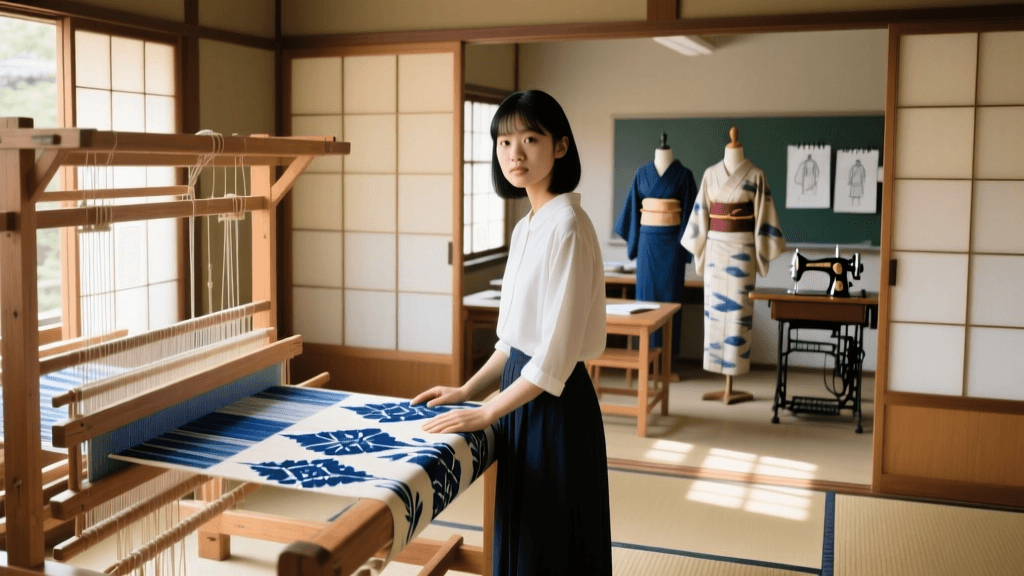
Beneath the Karaori, actors wear the Nuihaku, an inner robe featuring exquisite embroidery and metallic foil pressing. The motifs chosen for Noh shozoku are strictly codified. For instance, a robe adorned with autumn grasses and a crescent moon immediately signals a melancholic spirit or a ghost lingering in the mortal realm. In 2026, master weavers in Kyoto are utilizing high-resolution multispectral imaging to analyze fading natural dyes on 16th-century Edo-period Noh robes, allowing them to recreate historically accurate safflower reds and gromwell purples for new stage productions.
Kabuki: The Spectacle of Aragoto and Wagoto
If Noh is a whisper, Kabuki is a roar. Emerging in the 17th century as entertainment for the common merchant classes, Kabuki is characterized by dramatic storytelling, elaborate makeup (kumadori), and spectacular stage effects. The kimonos used in Kabuki are designed for maximum visual impact, engineered to withstand rigorous acrobatic choreography and facilitate jaw-dropping theatrical illusions.
Hikinuki: The Art of the Quick Change
One of the most thrilling aspects of Kabuki is the hikinuki, a rapid on-stage costume change. The outer kimono is stitched with specialized basting threads that, when pulled by stage assistants (kurogo) at a climactic narrative moment, cause the garment to instantly fall away, revealing a completely different kimono underneath. This technique symbolizes a sudden shift in a character's emotional state, social status, or true identity. The Kabukiza Theatre in Tokyo continues to feature hikinuki in its 2026 repertoire, showcasing kimonos engineered with hidden magnetic clasps and weighted hems to ensure the reveal is both instantaneous and perfectly draped.
Hikizuri and the Oiran Silhouette
For roles depicting high-ranking courtesans (Oiran), actors wear the hikizuri, a kimono with an exceptionally long, trailing hem. Unlike the standard kimono where the hem is tucked at the waist (the ohashori), the hikizuri is worn loose, allowing the heavy, multi-layered silk to pool beautifully on the stage floor. The textile patterns are often loud, featuring massive, asymmetrical designs of crashing waves, blooming peonies, or mythical dragons, dyed using the vibrant Kyo-Yuzen technique. The sheer volume of the hikizuri requires the actor to master a specialized, sweeping walk that turns the fabric into a dynamic extension of the stage set.
Bunraku: Puppetry and the Illusion of Scale
Bunraku, the traditional Japanese puppet theater, presents a unique sartorial challenge: the kimonos must look entirely natural while being manipulated by three visible puppeteers. The puppets (ningyo) are roughly one-half to two-thirds the size of a human, requiring master tailors to scale down traditional kimono patterns without losing the intricate beauty of the textile.
Structural Engineering of the Puppet Kimono
A Bunraku kimono is fundamentally different from a human garment. The back of the kimono is left entirely open, and the internal structure relies on a bamboo and whalebone frame called the dai. The lead puppeteer (omozukai), who controls the head and right hand, inserts their arm directly through the neck opening of the kimono. The sleeves are specially tailored with internal rigging and weighted tassels that allow the left-hand puppeteer (hidari-zukai) to manipulate the fabric to simulate weeping, shivering, or graceful gesturing. As noted by the Japan Arts Council, the 2026 Bunraku preservation initiatives have focused heavily on documenting the proprietary stitching methods used to ensure the silk brocades drape realistically over the rigid puppet joints.
Textile Proportions and Visual Harmony
Because the puppet is smaller, the motifs on a Bunraku kimono must be scaled down proportionally. A standard human-sized Yuzen-dyed chrysanthemum might span 30 centimeters, but on a Bunraku shozoku, it is meticulously hand-painted to span just 15 centimeters, ensuring the visual harmony remains intact. The textiles used are often slightly thinner than human stage costumes to prevent the puppet from looking overly bulky, yet they must possess enough body to hold the dramatic, angular folds characteristic of Japanese garment styling.
Comparative Analysis: Shozoku Across the Three Theaters
To fully appreciate the specialized nature of these garments, it is helpful to compare their structural and functional differences side-by-side.
| Theater Form | Primary Garment | Average Weight | Key Textile Technique | Primary Stage Function |
|---|---|---|---|---|
| Noh | Karaori (Brocade Robe) | 10 - 15 kg | Nishijin-ori (Gold/Silver Brocade) | Restricts movement to create the ethereal suriashi glide; denotes spiritual status. |
| Kabuki | Hikizuri / Hikinuki | 5 - 8 kg | Kyo-Yuzen (Resist Dyeing) | Facilitates dramatic quick-changes; provides sweeping visual spectacle for large theaters. |
| Bunraku | Ningyo Shozoku (Puppet Robe) | 1 - 2 kg | Scaled Shibori & Embroidery | Conceals internal puppeteering frames; allows realistic fabric manipulation by three handlers. |
2026 Preservation: AI and the Future of Edo-Period Textiles
The creation of a single, high-quality Kabuki or Noh kimono can take over a year and cost tens of thousands of dollars, relying on a dwindling number of master artisans. However, the landscape of traditional garment preservation has evolved dramatically by 2026. The integration of AI-assisted Jacquard loom programming in Kyoto's Nishijin district has allowed weavers to resurrect lost Edo-period patterns that were previously thought impossible to replicate by hand. By feeding fragmented historical textile scans into machine learning models, artisans can accurately predict the warp and weft interlacings required to recreate complex 18th-century brocades.
Furthermore, the push for sustainable and historically accurate natural dyeing has seen a major resurgence. Modern theater troupes are increasingly demanding shozoku dyed with traditional botanical sources—such as ai (indigo) for deep blues and benibana (safflower) for vibrant crimsons—rather than synthetic alternatives. This not only ensures the costumes age beautifully under the harsh stage lights but also supports the rural farming communities dedicated to preserving Japan's botanical dye heritage.
Conclusion
The kimono in Japanese classical theater is far more than a mere costume; it is a vital, breathing component of the performance itself. Whether it is the heavy, ghostly brocade of a Noh spirit, the explosively vibrant, quick-changing silks of a Kabuki hero, or the meticulously scaled garments of a Bunraku puppet, these textiles carry the weight of centuries of Asian tradition. As we witness the technological and artisanal revivals of 2026, the future of these magnificent stage garments looks as vibrant and enduring as the threads from which they are woven. For textile enthusiasts, historians, and theater lovers alike, understanding the shozoku is the key to unlocking the deepest layers of Japan's performing arts.