Kabuki Noh Bunraku Theater Kimono Costumes Guide 2026
The Living Textiles of Japanese Traditional Theater in 2026
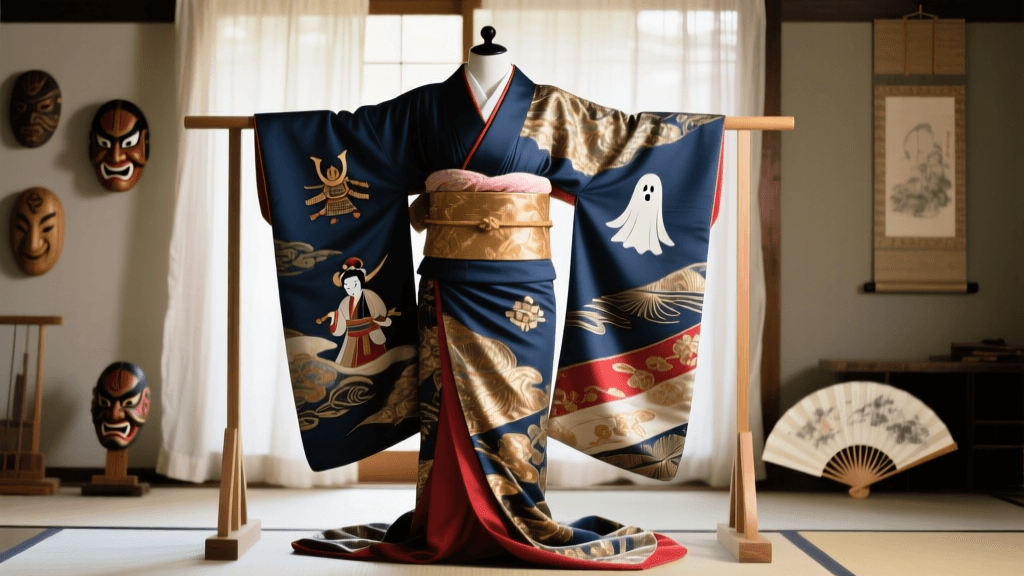
Japanese traditional theater is a masterclass in visual storytelling, where the garments worn by actors and puppets are not merely clothing, but vital narrative devices. The intersection of performance and textile artistry in Kabuki, Noh, and Bunraku represents some of the most sophisticated garment engineering in the world. As of 2026, global appreciation for these theatrical textiles has surged, driven by advanced digital archiving, renewed interest in traditional craftsmanship, and high-profile museum exhibitions that allow unprecedented access to historical stage wear. Understanding the distinct sartorial languages of these three theatrical forms provides profound insight into Japanese culture, history, and the evolution of the kimono.
Noh Theater: The Elegance of Karaori and Surihaku
Noh theater, recognized globally for its minimalist aesthetic and profound spiritual depth, relies on costumes that are anything but minimal. The garments, collectively known as shozoku, serve as visual indicators of a character's age, gender, social status, and even their supernatural nature. In 2026, the appreciation for Noh textiles has reached new heights, aided by high-resolution digital archiving projects that allow global textile historians to study the intricate weaves without risking damage to centuries-old artifacts.
The most iconic of these garments is the Karaori, a heavily brocaded outer robe traditionally worn by female characters of high status. Woven with silk and metallic threads, the Karaori features motifs like pine, bamboo, and plum blossoms, which carry deep poetic and seasonal significance. Another essential garment is the Choken, a lightweight, unlined silk robe with extended sleeves that create a breathtaking visual effect during the slow, deliberate dance movements of celestial beings or spirits. For male warriors or deities, the Atsuita provides a striking contrast, utilizing bold geometric patterns and vibrant colors woven into a thick, stiff silk that commands the stage.
A unique technique specific to Noh is Surihaku, where gold or silver leaf is pressed directly onto the fabric using a starch paste, creating intricate patterns that catch the dim, atmospheric lighting of the Noh stage. According to the UNESCO Intangible Cultural Heritage registry for Nogaku theatre, the preservation of these specialized weaving and leaf-imprinting techniques is critical to maintaining the authenticity of the art form in the modern era.
Kabuki: Extravagance, Hikinuki, and Quick Changes
If Noh is a whisper, Kabuki is a shout. Emerging as a populist counterpoint to the aristocratic Noh, Kabuki theater is characterized by its dramatic storytelling, exaggerated acting (mie), and spectacular visual effects. The costumes in Kabuki are designed to be seen from the back rows of large theaters, necessitating bold colors, massive motifs, and heavy, luxurious fabrics.
The role of the Koromo-kata (costume master) is paramount in Kabuki. These artisans are responsible not only for the creation and maintenance of the garments but also for executing the theater's most famous sartorial illusion: the Hikinuki. This rapid costume change technique involves stitching the outer layers of a kimono with basting threads that are attached to a single pull-cord. At a climactic moment in the play, an assistant yanks the cord, the threads break, and the outer robe instantly falls away to reveal a completely different kimono underneath, symbolizing a sudden transformation in the character's emotion, allegiance, or supernatural state.
Kabuki costumes heavily feature the Kosode (the direct predecessor to the modern kimono) and the Uchikake (a heavy, padded outer robe). The textile techniques employed are incredibly diverse, ranging from elaborate Yuzen resist-dyeing, which allows for painterly, multi-colored landscapes to be depicted across the entire garment, to intricate Shibori tie-dyeing. In 2026, contemporary Kabuki productions at Tokyo's Kabukiza Theatre continue to commission master dyers in Kyoto to create new Uchikake that honor Edo-period aesthetics while utilizing modern, colorfast organic dyes that withstand the intense heat of stage lighting. The National Theatre of Japan's official portal frequently highlights the rigorous training required for Kabuki costume dressers, noting that a single lead actor's wardrobe can weigh over 20 kilograms and require a team of four dressers to manage during a performance.
Bunraku: Puppetry and the Illusion of Scale
Bunraku, the traditional Japanese puppet theater, presents a unique set of challenges and innovations in garment design. The puppets, which are roughly two-thirds the size of a human, are operated by three puppeteers who must remain visually unobtrusive while manipulating the head, arms, and legs of the figure. The costumes must therefore be scaled down perfectly, yet they are constructed using the exact same luxurious silks, brocades, and dyeing techniques as human-sized garments.
The internal structure of a Bunraku kimono is a marvel of engineering. Because the puppet lacks a solid torso, the garments are heavily padded and structured with bamboo and cotton to create the illusion of a human body beneath the fabric. The sleeves are articulated to allow the left-hand puppeteer to manipulate the arms with fluid, lifelike grace. When a female puppet weeps, the subtle folding of the silk sleeve against the painted wooden face is a masterclass in textile manipulation.
In 2026, the Shochiku Costume Museum and various Bunraku preservation societies have placed a heavy emphasis on the restoration of Edo-period Bunraku textiles. Because the puppets' garments endure significant friction and stress from the puppeteers' hands, the silk degrades faster than stage-worn human garments. Modern restorers are currently experimenting with ultra-fine, synthetic core-spun silk threads that mimic the drape and sheen of historical silk but offer the tensile strength required for nightly performances.
Decoding Color and Motif Symbolism Across the Stage
In all three theatrical forms, the visual language of the kimono communicates narrative details before the actor or puppet even speaks. In Kabuki, the color palette is strictly codified. A deep, striking crimson indicates a young, passionate heroine or a fierce warrior, while indigo and navy are reserved for mature, stoic male characters or villains. The use of gold and silver threads is heavily regulated, historically restricted to characters of divine or imperial lineage.
Motifs also carry strict seasonal and narrative weight. A kimono adorned with cherry blossoms (sakura) instantly establishes a spring setting and often foreshadows the fleeting nature of the character's life or beauty. Conversely, pine trees (matsu) represent longevity and steadfastness, frequently worn by elder statesmen or benevolent spirits in Noh. In 2026, contemporary textile scholars utilize AI-assisted pattern recognition to catalog thousands of historical theater garments, mapping the evolution of these motifs from the Edo period to the present day. This digital cataloging ensures that the precise symbolic grammar of Japanese theatrical dress is preserved for future generations of costume designers and cultural historians.
Theater Costume Comparison Guide (2026)
| Theater Form | Primary Garment Types | Signature Textile Technique | 2026 Reproduction Cost (USD) |
|---|---|---|---|
| Noh | Karaori, Choken, Mizugoromo | Nishiki (Brocade), Surihaku (Gold Leaf) | $4,500 - $12,000 |
| Kabuki | Uchikake, Kosode, Suo | Yuzen Dyeing, Hikinuki Rigging | $2,000 - $8,500 |
| Bunraku | Scaled Kosode, Kamishimo | Miniature Shibori, Lightweight Silk | $1,500 - $5,000 |
2026 Collector and Exhibition Guide
For textile collectors, historians, and traditional garment enthusiasts, 2026 offers unprecedented access to Japanese theater costumes. While authentic, stage-used antiques are largely held in institutional archives or private family collections of theater guilds, the market for high-fidelity reproductions and vintage mid-century theater textiles is thriving.
For those visiting Japan in 2026, experiencing these garments in person is a must. The National Noh Theatre in Tokyo offers regular backstage tours where visitors can observe the meticulous folding and storage of shozoku, a ritual in itself that requires specialized acid-free paper and cedar chests to protect the silk from humidity and pests. Meanwhile, the Kabukiza Gallery in Ginza provides interactive displays that allow visitors to feel the weight of a fully rigged Hikinuki costume and examine the complex network of basting threads that make the quick-change magic possible.
Collectors looking to acquire vintage theatrical textiles should focus on specialized auction houses in Kyoto and Tokyo that handle estate sales from retired theater families. Prices for authentic, mid-20th-century Kabuki Uchikake in good condition typically range from $3,000 to $8,000 in 2026, depending on the complexity of the Yuzen dye work and the presence of metallic embroidery. It is crucial to verify the provenance of these pieces, as the market has seen an influx of modern, mass-produced 'theater-style' garments that lack the structural integrity and historical accuracy of true stage wear. When sourcing theater-style kimono, buyers must understand the structural differences between stage garments and everyday wear. Stage kimono often feature wider sleeves, heavier padding, and specialized internal ties (kohimo) designed to secure the garment during vigorous movement. Furthermore, the visual scale of the motifs is intentionally enlarged; a motif that would look overwhelmingly large on a person walking down the street in Kyoto is perfectly proportioned when viewed from the second tier of a theater balcony.