Hanfu for Life Milestones 2026: Rites, Ceremonies & Cost
The Evolution of Hanfu in 2026: From Streetwear to Sacred Rites
As we navigate through 2026, the global Hanfu movement has matured significantly. What began as a niche historical reenactment hobby has firmly established itself as a cornerstone of contemporary cultural identity. Today, traditional Chinese garments are no longer reserved solely for street fashion or photography; they are the garments of choice for life's most profound milestones. According to cultural analysts, over 35% of young adults in major Asian metropolises now incorporate traditional attire into major life events, ranging from coming-of-age ceremonies and university graduations to weddings.
This shift reflects a broader societal desire to anchor modern achievements in ancestral heritage. The BBC Travel has extensively documented this cultural renaissance, noting that the revival is driven by a generation seeking to reconnect with pre-Qing dynasty aesthetics and philosophies. In 2026, wearing Hanfu for a milestone is not merely a fashion statement; it is a deliberate act of cultural continuity, requiring a deep understanding of historical silhouettes, fabric drape, and ceremonial etiquette.
The Coming-of-Age Ceremonies: Guan Li and Ji Li
The transition from childhood to adulthood is one of the most significant milestones in traditional Chinese culture. Historically marked by the Guan Li (capping ceremony for men at age 20) and the Ji Li (hair-pinning ceremony for women at age 15), these rites have seen a massive resurgence in 2026, often hosted by cultural societies, university clans, and traditional families.
Ji Li: The Hair-Pinning Ceremony
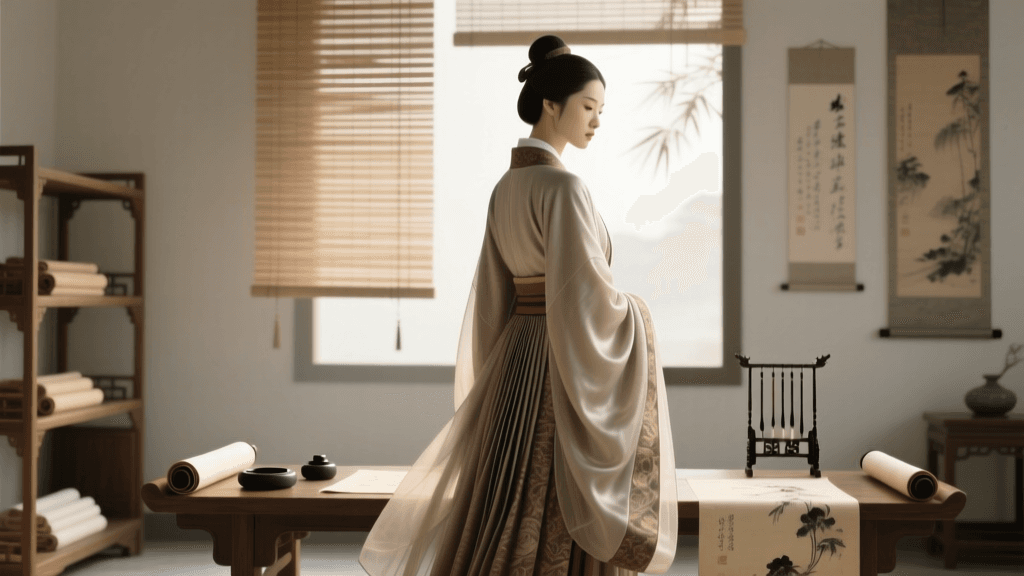
For young women, the Ji Li is a profound rite of passage. The ceremony traditionally involves three distinct changes of clothing, each symbolizing a different stage of maturity and responsibility. In 2026, ceremonial planners emphasize historical accuracy in the layering of these garments:
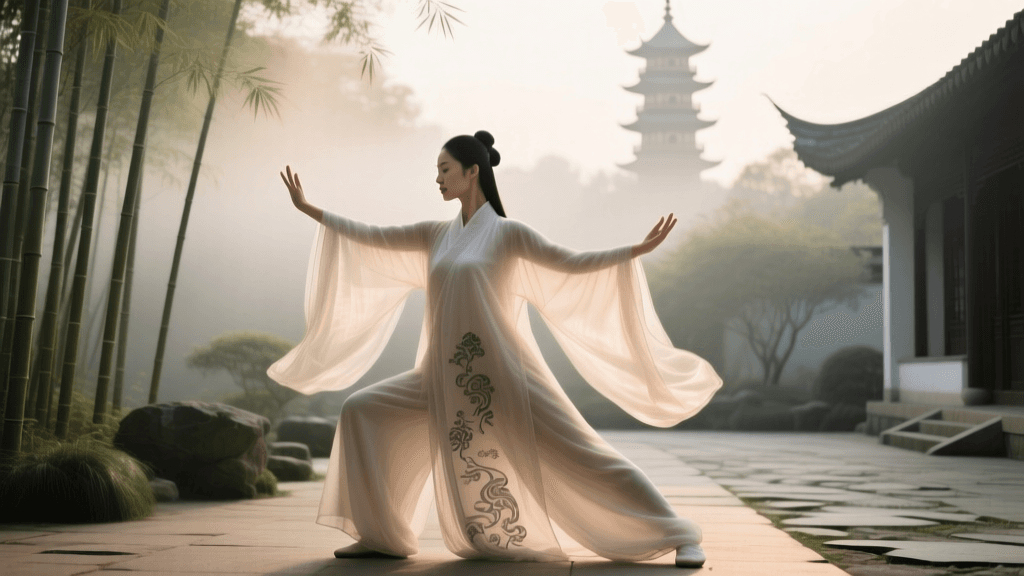
- First Addition (Childhood to Youth): The initiate wears a simple, unlined Shenyi (deep robe) in light cotton or linen, symbolizing innocence and the shedding of childhood.
- Second Addition (Youth to Adulthood): A more formal, lined robe with wider sleeves is added, often in pastel silks, representing the cultivation of virtue and grace.
- Third Addition (Full Adulthood): The final change features a grand, formal garment such as a Ming dynasty Aoqun (jacket and skirt) or a Song dynasty Beizi, paired with an intricate jade or gold hairpin (Ji), signifying readiness to take on societal and familial responsibilities.
Guan Li: The Capping Ceremony
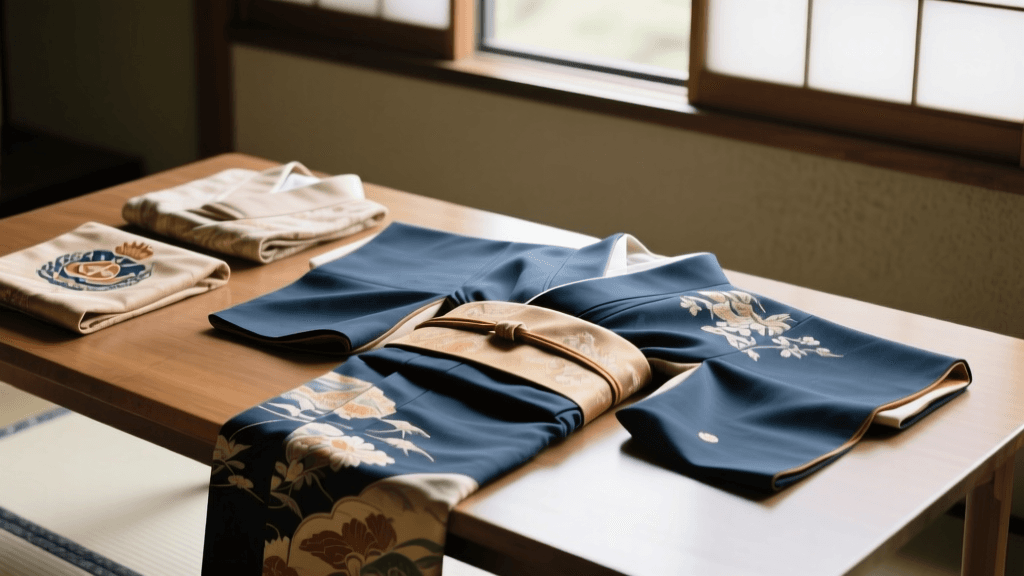
For young men, the Guan Li follows a similar three-tiered structure. The initiate progresses from simple linen garments to formal court-style attire, culminating in the placement of a Bian Guan (formal cap). In 2026, many families opt for the Ming dynasty Daofu (Taoist robe) or the Tang dynasty Yuanlingpao (round-collar robe) for the final stage, as these garments offer a majestic drape and command deep respect. The Metropolitan Museum of Art highlights that the structural integrity of these robes, particularly the use of stiffened collars and weighted hems, was historically designed to enforce a dignified, measured posture—a detail that modern 2026 tailors meticulously replicate for ceremonial wear.
Traditional Hanfu Weddings: Embracing Ancestral Elegance
The 2026 wedding season has seen a definitive pivot away from Western-style white gowns toward historically grounded Hanfu wedding attire. Couples are increasingly viewing their wedding not just as a romantic union, but as the merging of two family lineages, a concept deeply embedded in traditional Chinese philosophy.
Zhou Dynasty Elegance: The Xuan Duan
For couples seeking solemnity and ancient gravitas, the Zhou dynasty wedding attire is the pinnacle of minimalist elegance. Characterized by deep blacks, rich reds, and unadorned, structured silhouettes, the Xuan Duan represents the sacred, unyielding bond of marriage. The bride's attire often features a subtle red underlayer and a black outer robe, devoid of the heavy embroidery seen in later dynasties. This style is highly favored in 2026 for outdoor, nature-bound ceremonies where the striking contrast of the fabrics against natural landscapes creates breathtaking visual impact.
Ming Dynasty Opulence: Fengguan Xiapei
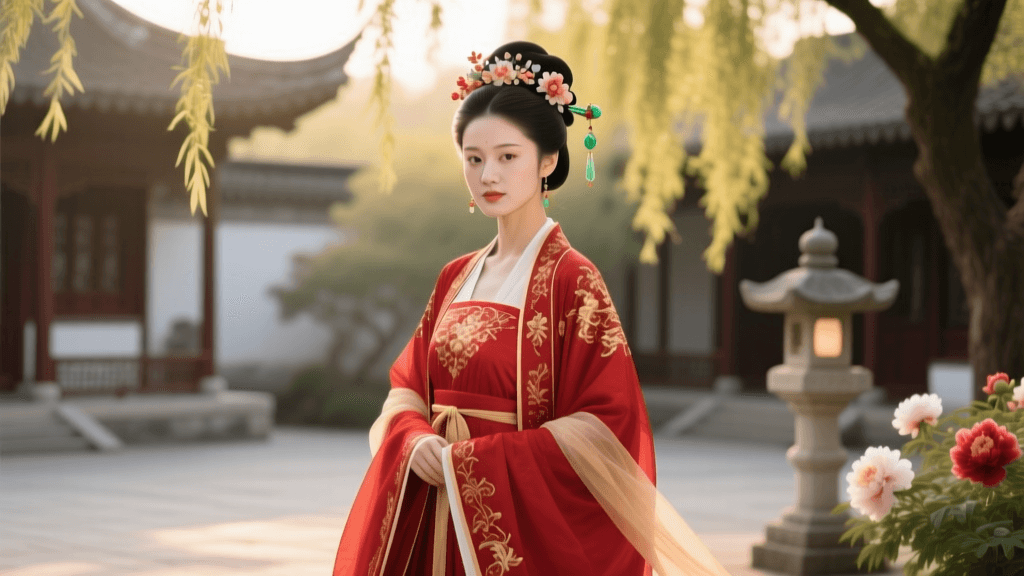
Conversely, the Ming dynasty style remains the most popular choice for grand, indoor banquet weddings. The bride wears the iconic Fengguan Xiapei (Phoenix Crown and Cloud Cape). In 2026, advancements in digital loom technology and sustainable silk farming have made the intricate gold-thread couching and kingfisher-feather replication (using ethically sourced dyed silk threads) more accessible than ever. The groom typically wears a red or dark blue Daofu or Yuanlingpao adorned with rank-badge motifs, such as cranes or qilins, symbolizing longevity and prosperity.
'To wear the garments of our ancestors on the day we forge our future is to weave our personal story into the grand tapestry of our civilization.' — 2026 Asian Heritage Bridal Symposium Keynote
Academic Milestones: Graduating in Traditional Attire
University graduations in 2026 have become a vibrant showcase of the 'Xin Zhongshi' (new Chinese style) and traditional Hanfu. Graduates are increasingly rejecting the standard Western academic gown in favor of garments that reflect their cultural heritage. The Mamianqun (horse-face skirt) paired with a tailored, modernized Ao (jacket) is the dominant choice for female graduates, offering ease of movement while maintaining a regal silhouette. Male graduates frequently opt for the Shenyi or a scholarly Lanshan (scholar's robe), often accessorized with a traditional folding fan and a simple jade pendant. This trend has prompted several international universities to officially update their 2026 dress codes to accommodate the specific draping and headwear requirements of traditional Asian garments.
2026 Milestone Hanfu Comparison Chart
Selecting the correct garment for a specific milestone requires an understanding of historical context, formality, and budget. Below is a comprehensive comparison chart for 2026 ceremonial Hanfu:
| Milestone | Recommended Style | Key Accessories | Avg 2026 Cost (USD) |
|---|---|---|---|
| Ji Li (Women's Coming of Age) | Song Dynasty Beizi / Ming Aoqun | Jade Hairpin, Silk Sash | $350 - $800 |
| Guan Li (Men's Coming of Age) | Ming Daofu / Tang Yuanlingpao | Bian Guan (Cap), Leather Belt | $400 - $950 |
| Wedding (Solemn / Zhou Style) | Zhou Xuan Duan | Jade Pendants, Simple Crown | $1,200 - $2,500 |
| Wedding (Grand / Ming Style) | Ming Fengguan Xiapei | Phoenix Crown, Cloud Cape | $2,500 - $6,000+ |
| University Graduation | Mamianqun / Scholar's Lanshan | Academic Cap Adaptation, Fan | $150 - $450 |
Color Symbolism and Motifs in 2026
When commissioning or renting Hanfu for a milestone in 2026, understanding color theory and motif symbolism is paramount. Red remains the undisputed color of joy, prosperity, and warding off negative energy, making it essential for weddings. However, modern brides are increasingly incorporating deep burgundies, emerald greens, and imperial yellows to reflect personal aesthetics while respecting tradition. Motifs are chosen with equal care: peonies for wealth and honor, lotuses for purity and resilience, and the intertwined dragon and phoenix for marital harmony. In 2026, bespoke embroiderers often weave hidden, personalized motifs—such as the couple's favorite flower or a subtle nod to their alma mater—into the inner linings or cuffs of the garment.
Sourcing, Fitting, and Fabric Care for Ceremonial Hanfu
Acquiring milestone Hanfu in 2026 requires navigating a market that ranges from mass-produced fast fashion to museum-grade bespoke tailoring. For life milestones, experts universally advise against off-the-rack costumes. Instead, seek out specialized boutiques in cities like Singapore, London, Los Angeles, or directly commission from master tailors in Hangzhou and Suzhou via global shipping platforms.
Fitting and Measurements: Unlike Western tailoring, which focuses on body-contouring, Hanfu relies on flat-pattern cutting and the natural drape of the fabric over the body. The crucial measurements are the shoulder width, arm length (to ensure the sleeves cover the hands appropriately for the specific dynasty's rules), and the waist-to-floor measurement for skirts like the Mamianqun. A proper Mamianqun must sit precisely at the natural waist and graze the top of the traditional cloud-toe shoes without dragging on the floor.
Fabric Care: Ceremonial Hanfu often utilizes heavy brocades, raw silks, and gold-leaf threading. Dry cleaning is generally discouraged as harsh chemicals can strip the natural sericin from the silk and tarnish metallic threads. In 2026, the standard of care involves professional ozone-cleaning and gentle steam pressing. Garments should be stored flat in acid-free tissue paper within cedar chests to prevent moisture buildup and protect the structural integrity of the embroidery.
Conclusion
The integration of Hanfu into life's most critical milestones in 2026 represents a beautiful synthesis of past and present. Whether a young adult is receiving their first hairpin, a couple is exchanging vows under the weight of a Phoenix Crown, or a scholar is walking across the graduation stage in a flowing Lanshan, these garments serve as a tangible link to centuries of philosophy, art, and familial devotion. By understanding the historical nuances, proper styling, and care required for these textiles, individuals can ensure their milestone ceremonies are not only visually stunning but deeply resonant with the enduring spirit of Asian traditions.