Best Hanfu for Tai Chi & Qigong Practice in 2026: Top Picks
The Intersection of Hanfu and Traditional Chinese Wellness
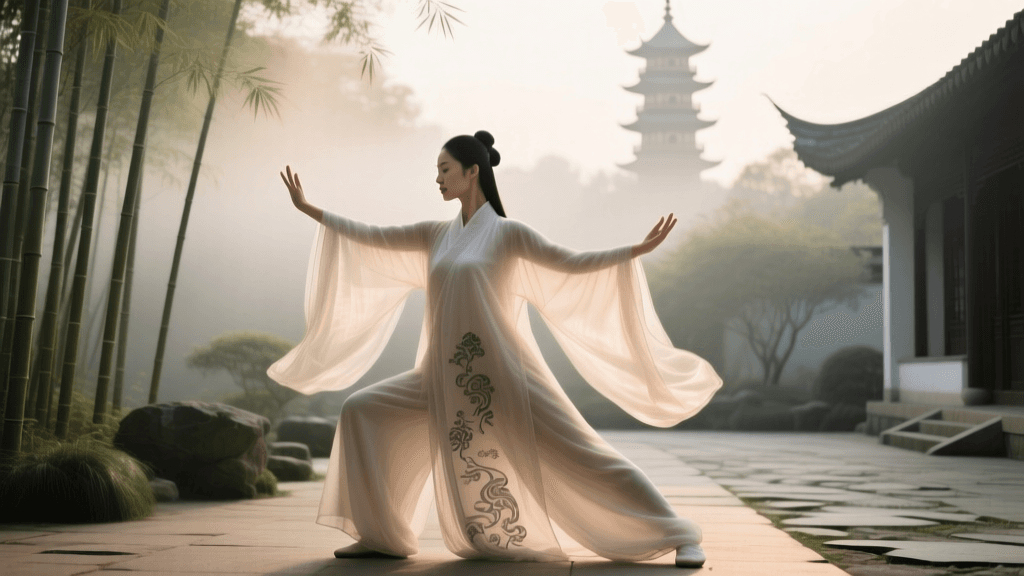
As we move through 2026, the Xin Zhongshi (新中式) or "New Chinese Style" movement has evolved far beyond everyday street fashion and high-end runway shows. Today, it deeply intersects with holistic living and traditional Chinese wellness practices. An increasing number of practitioners are turning to authentic Hanfu for Tai Chi and Qigong, recognizing that the garments they wear profoundly impact their mind-body connection. Unlike modern athletic wear, which compresses the body and relies on synthetic elastane, traditional Hanfu utilizes flat-cutting techniques (pingmian caizheng) that drape naturally, allowing the body's energy, or Qi, to flow without restriction.
Integrating traditional garments into your wellness routine is not merely an aesthetic choice; it is a return to the philosophical roots of these practices. The flowing sleeves, cross-collars, and high-waisted skirts of Hanfu serve as physical reminders of the harmony between humanity and nature, a core tenet of both Tai Chi and Qigong. In this comprehensive guide, we explore the best Hanfu silhouettes, 2026 fabric innovations, and sizing adjustments to optimize your traditional movement practice.
Why Unrestricted Movement is Crucial for Qi Flow
Tai Chi and Qigong require a unique combination of deep, grounded stances and expansive, sweeping arm movements. According to Harvard Health, Tai Chi is often described as "meditation in motion," requiring the practitioner to move through a full range of motion while maintaining deep, diaphragmatic breathing. Restrictive clothing, tight waistbands, and rigid seams can impede this deep abdominal breathing (Dantian breathing) and physically block the meridian lines that traditional Chinese medicine believes carry Qi throughout the body.
Furthermore, the National Center for Complementary and Integrative Health (NCCIH) highlights that the mental focus required for these practices is deeply tied to physical comfort and spatial awareness. When wearing Hanfu, the gentle weight of the fabric and the swish of the skirts provide sensory feedback that helps practitioners maintain their center of gravity and stay grounded during transitions. This tactile feedback is something modern compression wear simply cannot replicate.
Top Hanfu Silhouettes for Unrestricted Movement
Not all Hanfu styles are created equal when it comes to physical exertion. While court-style garments with heavy layers and floor-dragging sleeves are beautiful, they are impractical for the park or the studio. Here are the top silhouettes for wellness practitioners in 2026.
1. The Modern Daopao (Taoist Robe)
The Daopao is historically associated with Taoist scholars and monks, making it spiritually and practically aligned with Tai Chi. It features a cross-collar, wide sleeves, and crucially, side slits (kaicha) that run up to the waist. These side slits are essential for deep stances like the Mabu (horse stance) or Gongbu (bow stance), as they prevent the fabric from pulling tightly across the hips and thighs. In 2026, many wellness-focused brands offer a "modified Daopao" with slightly narrowed sleeves that end precisely at the wrist bone, preventing the fabric from catching on Tai Chi swords or fans during weapon forms.
2. Jiaoling Ruqun (Cross-Collar Top and Skirt)
For Qigong practitioners who focus heavily on breathwork and gentle, standing movements, the Jiaoling Ruqun is ideal. The top is typically worn tucked into a high-waisted skirt. Because the skirt sits above the navel and is secured with soft, wide ties rather than rigid zippers or buttons, it places zero pressure on the diaphragm. This allows for the deep, unencumbered abdominal breathing required to cultivate internal energy. The cross-collar also gently stimulates the acupressure points along the neck and collarbone, promoting upper-body relaxation.
3. Mamianqun (Horse-Face Skirt) for Dynamic Forms
While often seen as a fashion staple, the Mamianqun is surprisingly functional for dynamic Tai Chi forms. The structured pleats on the sides of the skirt expand beautifully when the practitioner steps into wide lunges. When choosing a Mamianqun for wellness, opt for unlined, lightweight versions made from fluid fabrics that won't add unnecessary centrifugal weight during spinning or turning movements.
2026 Fabric Comparison Chart for Wellness Practitioners
The textile industry has seen remarkable advancements in sustainable, natural fibers over the past few years. For 2026, the focus is on fabrics that offer the luxurious drape of traditional silk but with the moisture-wicking and washable properties required for active sweat management. Below is a comparison of the top fabrics for Tai Chi and Qigong Hanfu.
| Fabric Type | Breathability | Moisture Management | Drape & Weight | Best Practice Style |
|---|---|---|---|---|
| Bamboo-Linen Blend | Excellent | High (Naturally antimicrobial) | Structured, medium weight | Outdoor Qigong, Summer Tai Chi |
| Washable Xiangyunsha (Gambiered Silk) | Very Good | Moderate (Dries quickly) | Crisp, lightweight, rustling sound | Weapon forms, Sword Tai Chi |
| Cupro-Modal (Xin Zhongshi Blend) | Good | High (Absorbs sweat well) | Fluid, heavy drape, silk-like | Indoor Qigong, Meditative forms |
| Raw Silk (Shantung) | Moderate | Low (Requires airing out) | Textured, medium drape | Cool weather Tai Chi, Morning practice |
Note: As of 2026, premium Bamboo-Linen blends tailored specifically for martial arts and wellness typically range from $85 to $140 USD, offering the best balance of durability, comfort, and traditional aesthetics.
Sizing and Fit: Allowing the Qi to Flow
When ordering Hanfu for wellness practices, standard fashion sizing often falls short. The traditional flat-cutting method means that the garment's fit is dictated more by the length of the panels and the placement of the ties than by tailored darts and seams. To ensure your clothing supports rather than hinders your practice, pay close attention to these three measurements:
- Sleeve Length and Width: For Tai Chi, the traditional "floor-length" sleeve is a safety hazard, especially in group classes or when using props. Look for "improved" or "modified" Hanfu listings that offer a sleeve length ending exactly at the base of the thumb or wrist bone. The sleeve width should be wide enough to allow air circulation but narrow enough at the cuff to stay out of your line of sight.
- Skirt Hemline: While street-fashion Hanfu often pools at the floor, wellness Hanfu should graze the top of the ankle bone. This prevents you from stepping on the hem during backward steps or sweeping transitions, which are common in forms like the Yang-style 24.
- Shoulder and Back Width: Because Hanfu lacks shoulder seams, the fabric must span the entire back. Ensure the shoulder measurement is at least 2 inches wider than your actual shoulder span to allow for the crossing of arms and chest-opening movements without pulling the collar away from the neck.
Care and Maintenance for Active Hanfu
Practicing Tai Chi and Qigong, especially outdoors at dawn or in heated studios, inevitably leads to perspiration. Proper care of your natural-fiber Hanfu is essential to maintain its structural integrity and drape.
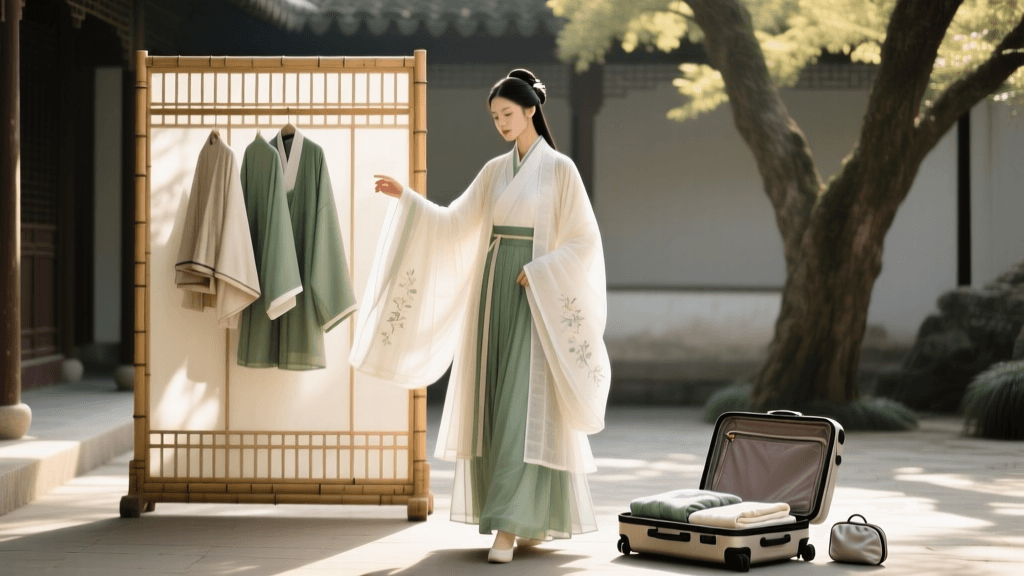
- Immediate Airing: Never leave a damp silk or bamboo garment balled up in a gym bag. The natural proteins in silk can break down and develop odors if left damp. Hang your Hanfu in a shaded, well-ventilated area immediately after practice.
- Gentle Handwashing: Avoid machine washing, even on delicate cycles. The agitation can distort the flat-cut seams and damage delicate pleats in Mamianqun. Use a pH-neutral detergent specifically formulated for silk and natural fibers.
- Preserving Natural Dyes: Many high-end 2026 Hanfu pieces utilize traditional plant dyes like indigo, madder root, or gardenia. These dyes are sensitive to direct UV light and harsh chemicals. Always dry your garments in the shade to prevent the colors from fading or shifting.
- Ironing and Steaming: Use a low-heat steamer to remove wrinkles. The steam helps reactivate the natural fibers, restoring the beautiful, fluid drape that makes Hanfu so ideal for movement.
The Psychological Benefits of Traditional Movement Wear
The choice to wear Hanfu during Tai Chi and Qigong extends beyond physical mechanics; it deeply influences the psychological state of the practitioner. The Mayo Clinic notes that the meditative aspects of Tai Chi are highly effective for stress management and anxiety reduction. Wearing traditional garments acts as a psychological "anchor," signaling to the brain that it is time to transition from the fast-paced modern world into a space of mindfulness and historical continuity.
The tactile sensation of raw silk or cool bamboo against the skin, the rhythmic swaying of the pleated skirts, and the deliberate act of tying the sashes all contribute to a grounding ritual. This ritualistic preparation enhances the mind-body connection, allowing practitioners to achieve the state of "wu wei" (effortless action) more rapidly than they might in standard modern activewear.
Conclusion
As the Xin Zhongshi movement continues to mature in 2026, the integration of Hanfu into traditional Chinese wellness practices represents a beautiful synthesis of form, function, and philosophy. By selecting the right silhouettes—such as the side-slit Daopao or the high-waisted Ruqun—and opting for breathable, modern natural fabrics like bamboo-linen blends or washable Xiangyunsha, practitioners can honor the cultural roots of Tai Chi and Qigong while optimizing their physical performance. Embrace the drape, respect the flow of Qi, and let your traditional garments elevate your daily wellness journey.