Kabuki Noh Bunraku Kimono Costumes: 2026 Theater Guide
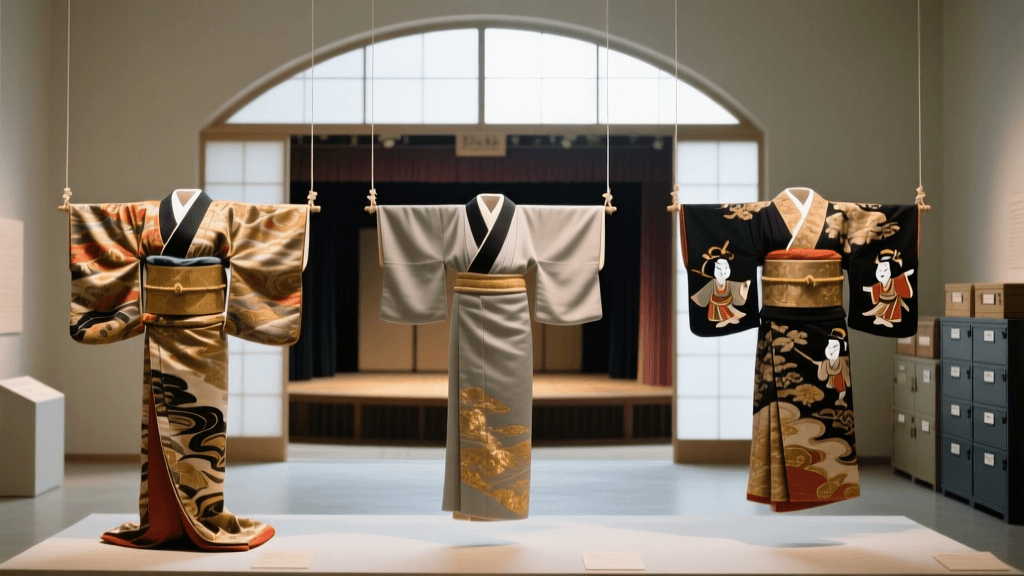
The Soul of Japanese Theater: Shozoku in 2026
In the world of traditional Japanese performing arts, the garment is never merely clothing; it is a vital extension of the character's soul, social status, and emotional state. Known collectively as shozoku, the costumes of Kabuki, Noh, and Bunraku theaters represent the pinnacle of Japanese textile artistry. As we navigate through 2026, the intersection of centuries-old craftsmanship and modern preservation technology has brought these magnificent garments into a new era. According to the Japan Arts Council, the 2026 season has seen a massive resurgence in international interest regarding traditional theater textiles, prompting unprecedented investments in garment restoration and archival care.
Understanding the nuances of these theatrical kimono requires a deep dive into the specific demands of each art form. While Kabuki demands visual explosion and physical weight, Noh relies on subtle, stiff brocades that catch the stage light, and Bunraku requires masterful miniaturization. This guide explores the construction, symbolism, and 2026 preservation realities of these iconic Asian traditional garments.
Kabuki Isho: Spectacle, Weight, and the Hikizuri
Kabuki theater is synonymous with dramatic flair, and its costumes, or isho, are designed to amplify the actor's presence to the furthest reaches of the auditorium. The most iconic of these is the hikizuri, a trailing kimono worn primarily by female characters (onnagata) and high-ranking courtesans. Unlike a standard street kimono, the hikizuri features an elongated hem that trails on the floor, requiring the actor to master a specific gliding walk to manipulate the heavy fabric elegantly.
The Mechanics of the Hikizuri and Choshosen
A fully layered Kabuki hikizuri can weigh upwards of 20 kilograms. To achieve the dramatic, sweeping silhouettes seen on stage, actors wear extensive padding around the hips and waist. The sleeves, often in the choshosen (long sleeve) style, can drop nearly to the floor, serving as expressive tools to convey weeping, shyness, or rage. In 2026, master tailors at the Kabukiza Theatre have begun integrating ultra-fine, carbon-reinforced silk threads into the inner linings of touring costumes. This modern innovation reduces the overall weight by 15% without compromising the historical drape and visual weight of the garment, a crucial adaptation for actors performing grueling multi-week international tours.
The surface design of Kabuki garments relies heavily on Yuzen dyeing and extensive metallic leaf application (surihaku). Because the stage lighting is incredibly bright, patterns must be bold and highly contrasted. The UNESCO Intangible Cultural Heritage registry notes that the transmission of these specific theatrical dyeing techniques remains a critical priority for Japanese cultural preservation boards today.
Noh Shozoku: Karaori and the Aesthetics of Yugen
If Kabuki is an explosion of color, Noh theater is an exercise in profound, restrained grace—a concept known as yugen. Noh costumes (shozoku) are less about realistic representation and more about symbolic abstraction. The garments are not tailored to fit the actor's body perfectly; instead, they are layered and tied to create a stylized, architectural silhouette that transforms the human form into something otherworldly.
Layering and Symbolism in Noh Garments
The cornerstone of Noh costuming is the karaori, a thick, stiff brocade woven with silk and metallic threads, originally inspired by Chinese textiles from the Ming Dynasty. The stiffness of the karaori is intentional; it forces the actor to move with deliberate, measured slowness, which is essential to the Noh aesthetic. Beneath the karaori, actors wear layers of kosode (small-sleeved kimono) and haku (divided skirts).
Color and pattern in Noh are strictly codified. A red karaori indicates a young woman, while a darker, more subdued palette signifies an older woman or a male aristocrat. In 2026, the National Noh Theatre in Tokyo has implemented advanced, localized climate-control systems directly above the stage. This ensures that the 400-year-old Edo-period karaori garments, which are highly susceptible to humidity-induced warping of their metallic threads, remain perfectly preserved during live performances.
Bunraku: Miniature Masterpieces of Textile Art
Bunraku, the traditional puppet theater of Japan, presents a unique challenge for textile artisans: creating garments that possess the grandeur of full-sized kimono but must fit a wooden puppet (ningyo) that is only two-thirds the size of a human. Despite their smaller scale, Bunraku costumes are constructed using the exact same luxurious silks, brocades, and dyeing methods as human garments.
Dressing the Ningyo (Puppets)
A Bunraku puppet is operated by three puppeteers, and the costume must be designed to allow for complex, articulated movement. The garments are not sewn shut in the same manner as human kimono; they are strategically left open at the sides and back to allow the primary puppeteer (omo-zukai) to insert their arm and manipulate the puppet's head and right hand. The Victoria and Albert Museum highlights that the miniature scale of these garments requires an extraordinary level of precision in pattern matching and embroidery, as any flaw is magnified when viewed up close by the audience.
Comparative Analysis: Theater Kimono at a Glance
To understand the distinct requirements of each theatrical tradition, it is helpful to compare their primary garments side-by-side. The following table outlines the core characteristics and 2026 preservation metrics for these traditional costumes.
| Theater Form | Primary Garment | Average Weight | Key Textile Technique | 2026 Avg. Restoration Cost |
|---|---|---|---|---|
| Kabuki | Hikizuri (Trailing Kimono) | 15 - 22 kg | Yuzen Dyeing & Surihaku (Gold Leaf) | ¥2,500,000 |
| Noh | Karaori (Stiff Brocade) | 4 - 6 kg | Nishijin-ori (Brocade Weaving) | ¥4,200,000 |
| Bunraku | Ningyo Shozoku (Puppet Garment) | 1.5 - 3 kg | Miniature Embroidery & Silk Weaving | ¥1,200,000 |
2026 Preservation Technologies and Textile Care
The preservation of theatrical kimono in 2026 has moved far beyond simple cedar storage and mothballing. Today, institutions utilize non-invasive spectroscopy and AI-driven thread analysis to assess the degradation of historical dyes. When a 19th-century Kabuki hikizuri requires repair, conservators use AI to map the exact chemical composition of the original indigo and safflower dyes, allowing modern dyers in Kyoto to recreate historically accurate pigments that will not damage the fragile antique silk.
Furthermore, digital archiving has become standard practice. High-resolution, multi-spectral imaging is used to create 3D digital twins of the most fragile Noh and Bunraku garments. This allows scholars and costume designers worldwide to study the internal stitching, layering techniques, and fabric weaves without ever physically handling the priceless artifacts.
Experiencing the Art Form in 2026
For enthusiasts of Asian traditional garments, witnessing these costumes in motion is an unparalleled experience. In 2026, the Kabukiza Theatre in Tokyo offers English audio guides that specifically highlight the textile symbolism of the costumes during performances. Meanwhile, the National Bunraku Theatre in Osaka provides backstage viewing tours where visitors can observe the meticulous process of dressing the puppets. Whether you are a textile collector, a fashion historian, or simply an admirer of Japanese culture, the living, breathing kimono of the traditional theater remains one of the most spectacular sartorial achievements in human history.