2026 Guide: Kabuki Hikinuki vs Noh & Bunraku Kimono Costumes
The Theatrical Trinity: Kabuki, Noh, and Bunraku in 2026
Japanese traditional theater is a masterclass in visual storytelling, where the garment is never merely clothing—it is an architectural extension of the character's soul. As we navigate the 2026 theatrical season, the preservation and evolution of stage costumes (isho) across Kabuki, Noh, and Bunraku reveal a fascinating intersection of Edo-period engineering and modern textile conservation. While all three art forms utilize the foundational structure of the kimono, their execution, weight, and mechanical requirements diverge drastically based on the unique demands of the stage.
For textile enthusiasts, historians, and fashion scholars, understanding the nuances of these theatrical garments offers profound insights into Japanese cultural heritage. This guide explores the mechanical brilliance of Kabuki's quick-change techniques, the spiritual weight of Noh brocades, and the miniature engineering of Bunraku puppet kimonos, highlighting how 2026 innovations are safeguarding these ancient arts.
Kabuki and the Spectacle of Hikinuki (Quick-Change)
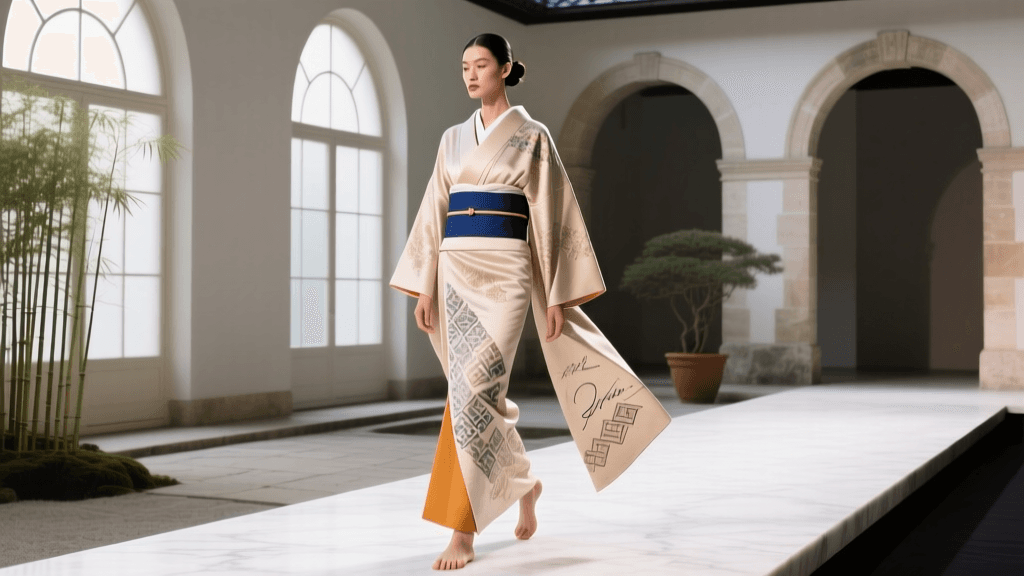
Kabuki is the theater of the people, characterized by exaggerated movements (mie), dramatic vocalizations, and spectacular visual effects. Central to Kabuki's visual arsenal is the hikinuki (pulling-out) technique, a highly choreographed on-stage quick-change that transforms a character's kimono in a matter of seconds to signify a shift in emotion, allegiance, or supernatural state.
The hikinuki relies on a brilliant system of basting threads (chigiri or shitsuke-ito). The outer kimono, often a lavish uchikake (outer robe), is loosely tacked over an inner kimono. At the dramatic climax of a scene, stage assistants dressed in black (koken) rush forward and pull specific threads. The outer garment instantly falls away or reverses to reveal a completely different color palette or pattern underneath. For instance, a virtuous samurai's pristine white outer robe might be stripped away to reveal a crimson inner kimono patterned with spiderwebs, instantly communicating their descent into villainy or madness.
2026 Innovations in Kabuki Textiles
In 2026, the Shochiku theater company and Kyoto's master weavers have introduced remarkable updates to the hikinuki system. Traditional basting threads, while effective, occasionally caught the glare of modern stage lighting. Today, troupes utilize ultra-fine, matte-finished tensile silk threads that are entirely invisible under high-lumen LED stage arrays. Furthermore, because Kabuki actors must perform acrobatic tachimawari (fight scenes) immediately following a quick-change, the inner kimonos are now woven with lightweight, flame-retardant natural silk treatments that offer the drape of heavy Nishijin-ori brocade but weigh 40% less, reducing actor fatigue during grueling multi-hour performances.
Key Kabuki Garment Types
- Uchikake: The heavily padded outer robe worn by high-ranking female characters (played by onnagata), featuring trailing hems (susohiki) that require specialized kicking techniques to navigate.
- Kosode: The standard small-sleeved kimono used as the foundational layer for both male and female roles, often featuring bold, asymmetrical dye patterns.
- Happi: A lightweight, short coat worn by laborers, thieves, or energetic dancers, allowing for maximum mobility during dynamic choreography.
Noh Theater: The Weight of Tradition and Yugen
If Kabuki is explosive spectacle, Noh is restrained meditation. Originating in the 14th century, Noh theater operates on the aesthetic principle of yugen—a profound, mysterious sense of the beauty of the universe, and the sad beauty of human suffering. The costumes in Noh, known collectively as shozoku, are not designed for acrobatics or quick-changes; they are designed to embody the spirit of the character, often a ghost, deity, or tormented soul.
According to the comprehensive Noh theater archives, the shozoku are so structurally rigid and heavy that they actively dictate the actor's posture (kamae). The most iconic of these is the karaori, a stiff, heavily brocaded silk garment worn by female characters (who are portrayed by male actors). The sheer weight and stiffness of the karaori force the actor to slide their feet (suriashi) and tilt their mask precisely to catch the light, creating the illusion of a weeping woman or a vengeful spirit.
Preserving Edo-Era Shozoku in 2026
Many Noh troupes in 2026 still perform in shozoku that are over 300 years old, passed down through generations of grandmasters. The preservation of these garments has entered a new era. The National Noh Theatre in Tokyo has recently implemented localized, AI-driven micro-climate display and storage systems. These systems monitor the molecular degradation of the metallic gold and silver leaf threads (kinran and ginran) woven into the brocades, adjusting humidity on an hourly basis to prevent the silk core from snapping under the weight of the metal wrapping.
Bunraku: Engineering the Miniature Kimono
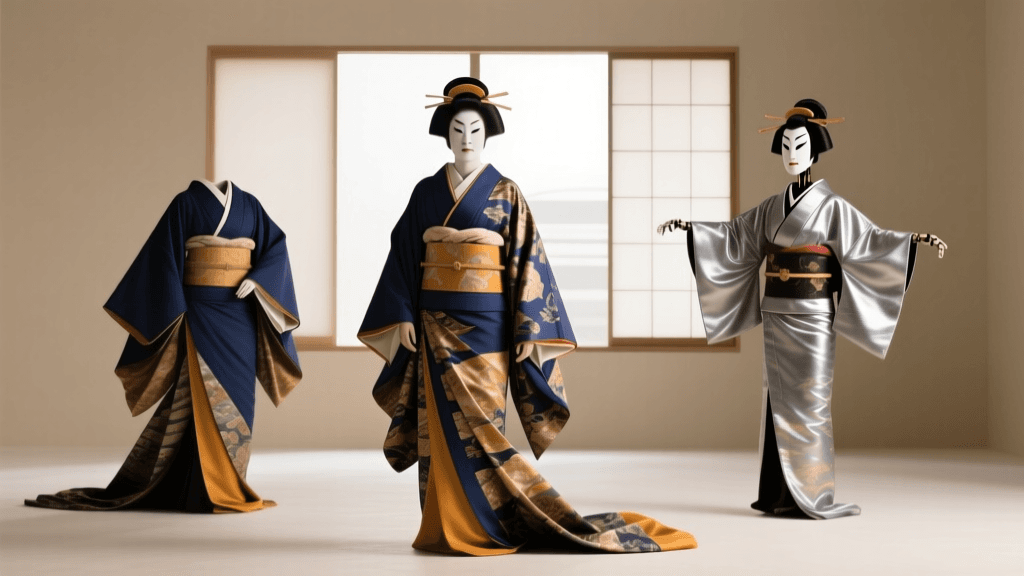
Bunraku, the traditional Japanese puppet theater, presents a unique sartorial challenge: dressing a wooden mechanism to look like a living, breathing human. As detailed by the National Bunraku Theatre, the puppets are roughly two-thirds the size of a human and are operated by three puppeteers (ningyozukai) who manipulate the head, left hand, and feet. The kimono in Bunraku must not only fit a wooden carriage but also hide the hands and arms of the puppeteers while allowing for fluid, emotive movement.
The most critical adaptation in Bunraku kimonos is the weighting of the fabric. Because the puppet lacks a human body to fill out the garment and provide natural gravity, the hems and sleeves (sode) of the kimono are heavily weighted with lead or copper chains hidden within the lining. This ensures that when the puppeteer manipulates the arm to express weeping or joy, the silk sleeve drapes and falls with the exact kinetic realism of a human limb. In 2026, master tailors in Osaka have begun using micro-tungsten beads instead of lead, providing the necessary kinetic weight while eliminating the risk of heavy metal degradation damaging the antique silk fabrics over time.
Comparative Analysis of Theatrical Garments
To fully appreciate the engineering behind these traditional arts, we must compare their functional requirements side-by-side. The following table outlines the primary differences in costume construction across the three theatrical forms as of the 2026 season.
| Feature | Kabuki (Isho) | Noh (Shozoku) | Bunraku (Ningyo-isho) |
|---|---|---|---|
| Primary Function | Visual spectacle, character transformation, acrobatic mobility. | Spiritual embodiment, enforcing rigid posture, conveying subtle emotion. | Kinetic realism, concealing puppeteers, simulating human gravity. |
| Weight & Drape | Variable; heavily padded hems, but lightweight inner layers for stunts. | Extremely heavy, stiff brocades that resist movement. | Strategically weighted at hems and sleeves with hidden tungsten beads. |
| Quick-Change | Frequent; utilizes the hikinuki basting thread system. | None; garments are layered and tied before the performance. | None; garments are dressed onto the wooden puppet frame backstage. |
| 2026 Textile Tech | Matte-finish tensile silk threads; flame-retardant natural silk dyes. | AI-driven micro-climate storage to preserve 300-year-old metallic threads. | Micro-tungsten weighting systems to protect antique silk linings. |
The Role of the Japan Arts Council in 2026
The survival of these highly specialized textile techniques relies heavily on institutional support. The Japan Arts Council continues to play a pivotal role in 2026 by funding apprenticeships in the Nishijin weaving district of Kyoto. Master weavers are now utilizing a hybrid approach: employing digital jacquard looms programmed with AI-analyzed patterns from fragmented Edo-period textiles to recreate lost weave structures, while the final assembly, embroidery, and basting remain strictly hand-finished by human artisans. This ensures that the theatrical kimonos of today maintain the spiritual authenticity required for the stage, while benefiting from the structural integrity of modern engineering.
Conclusion
The kimono in Japanese traditional theater is far more than a historical garment; it is a highly engineered tool of the performing arts. Whether it is the explosive, thread-pulled revelations of a Kabuki hikinuki, the heavy, ghostly brocades of a Noh karaori, or the tungsten-weighted sleeves of a Bunraku puppet, each costume is a masterpiece of functional design. As we observe the 2026 theatrical landscape, it is clear that the marriage of ancient sartorial philosophy and cutting-edge textile preservation will ensure these magnificent garments continue to captivate audiences for generations to come.