Jingle Dress Regalia Sourcing 2026: Cones, Fabrics & Costs
The Origins and Healing Power of the Jingle Dress
The Jingle Dress, known in the Ojibwe language as Ziibaaska'igan, is far more than a beautiful garment; it is a profound symbol of healing, resilience, and spiritual power. Originating among the Ojibwe (Anishinaabe) people in the early 20th century, the dress was born from a vision. According to oral history, a medicine man's granddaughter fell gravely ill, and he was visited in a dream by spiritual guides who showed him how to create a special dress adorned with metal cones. The rhythmic sound of the cones striking one another during the dance was said to mimic the sound of rain on a tin roof, bringing water, life, and ultimately, healing to his granddaughter. Today, the Jingle Dress Dance is a staple at powwows across North America, recognized universally as a healing dance.
As we navigate the 2026 powwow season, the demand for authentic, high-quality regalia materials has surged. Indigenous makers, dancers, and cultural preservationists are seeking out the best resources to construct these sacred garments. Whether you are a seasoned seamstress creating your tenth dress or a community elder guiding a youth group in their first regalia project, understanding the current landscape of material sourcing is essential. The National Museum of the American Indian frequently highlights the evolution of Indigenous regalia, noting how traditional garments adapt to contemporary materials while maintaining their deep spiritual core.
Sourcing Metal Jingles: Stamped vs. Spun Cones in 2026
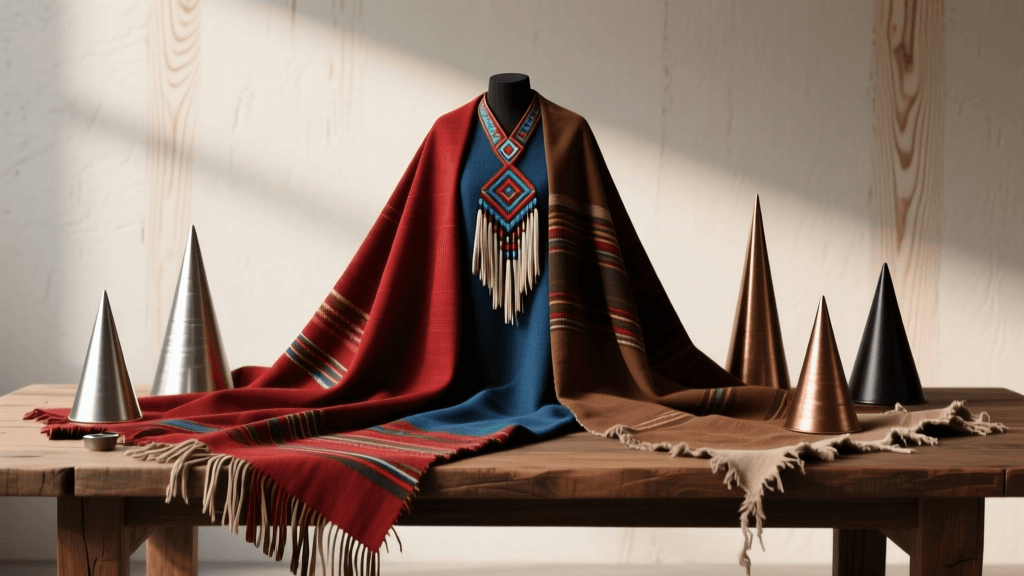
The defining feature of the Jingle Dress is, of course, the jingles themselves. These metal cones are responsible for the iconic, rain-like sound that accompanies the dancer's footwork. In 2026, makers generally choose between two primary types of metal cones: machine-stamped and hand-spun.
Machine-Stamped Cones
Stamped cones are mass-produced using sheet metal that is pressed into a conical shape by heavy machinery. They are highly uniform in size and shape, making them an excellent choice for beginners or for makers who need to outfit a large community dance troupe on a budget. In 2026, stamped tin and aluminum cones remain the most affordable options, though they tend to produce a sharper, higher-pitched sound that some traditionalists feel lacks the deep resonance of hand-made alternatives.
Hand-Spun (Rolled) Cones
Hand-spun cones are crafted by rolling flat strips of metal—typically brass, copper, or tin—into a cone shape and crimping the edges. Because they are made by hand or through specialized artisanal processes, no two spun cones are perfectly identical. This slight variation creates a richer, more complex, and deeper acoustic profile when the dress is in motion. As of 2026, the cost of raw brass has seen market fluctuations, making hand-spun brass jingles a premium investment. However, for competition dancers and those seeking the most authentic acoustic experience, spun brass remains the gold standard.
- Large Cones (2.5 to 3 inches): Typically used along the bottom hem of the dress. They are heavier and produce a deep, booming sound.
- Medium Cones (2 inches): The most versatile size, often used to fill the main body of the dress.
- Small Cones (1.5 inches): Used near the yoke and shoulders, or for children's regalia, providing a higher-pitched, delicate tinkling sound.
Fabric Selection: Trade Cloth, Calico, and Broadcloth
Historically, Jingle Dresses were constructed from whatever fabrics were available through trade, including heavy wool trade blankets and early cottons. Today, the aesthetic of the Jingle Dress is heavily defined by vibrant cotton calico and rich wool broadcloth, often accented with intricate ribbon appliqué.
Cotton Calico
Floral cotton calico is perhaps the most recognizable fabric used in modern Jingle Dresses. It is lightweight, breathable, and drapes beautifully, allowing the dancer to move freely while the heavy metal cones pull the fabric into elegant, swaying lines. In 2026, Indigenous-owned fabric suppliers and specialized online traders offer exclusive calico prints featuring Native floral motifs, moving beyond the generic prints found in mainstream craft stores. When sourcing calico, look for high-thread-count quilting cottons that can withstand the significant weight and stress of hundreds of metal cones.
Wool Broadcloth and Melton
For dancers in cooler climates or those who prefer a heavier, more structured garment, wool broadcloth and Melton wool are exceptional choices. These fabrics are incredibly durable and can support the weight of heavy brass cones without tearing. However, wool requires advanced sewing techniques and specialized heavy-duty needles. Many makers in 2026 opt for a hybrid approach, using a sturdy cotton or canvas base layer for the cone rows, overlaid with decorative wool and ribbon work.
Ribbon Appliqué and Trim
Ribbon work is a hallmark of Woodlands and Great Lakes Indigenous textile arts. Satin and grosgrain ribbons are layered, cut, and sewn into geometric and floral patterns to trim the yoke, hem, and sleeves of the Jingle Dress. Sourcing high-quality, colorfast ribbons is crucial, as cheaper ribbons can bleed dye onto the base fabric during cleaning or exposure to sweat and rain.
2026 Material Cost and Sourcing Comparison Table
Budgeting for a Jingle Dress requires careful planning. A single dress can require anywhere from 100 to over 400 jingles, depending on the size of the dancer and the density of the design. Below is a comprehensive breakdown of average 2026 pricing for essential regalia materials.
| Material Component | Specific Type / Variant | 2026 Average Cost | Best Application & Notes |
|---|---|---|---|
| Metal Cones (Stamped) | Tin / Aluminum (Medium) | $0.25 - $0.40 per cone | Budget builds, youth regalia, community troupes |
| Metal Cones (Spun) | Hand-Rolled Brass (Large) | $0.90 - $1.50 per cone | Competition dresses, deep resonance, premium heirloom builds |
| Base Fabric | 100% Cotton Calico (Yard) | $12.00 - $18.00 / yard | Lightweight, breathable, requires reinforced cone stitching |
| Base Fabric | Wool Broadcloth (Yard) | $35.00 - $55.00 / yard | Heavy-duty, cold-weather dancing, supports high cone density |
| Ribbon Trim | Double-Face Satin (Roll) | $15.00 - $25.00 / roll | Appliqué work, hem trimming, colorfastness is critical |
| Thread | Heavy-Duty Upholstery | $6.00 - $9.00 / spool | Essential for securing cones; standard thread will snap under weight |
Construction Details: Spacing, Ties, and Weight Distribution
Constructing a Jingle Dress is an engineering feat as much as it is an art form. A fully loaded adult dress can weigh anywhere from 10 to 25 pounds, with the vast majority of that weight concentrated on the dancer's shoulders and hips. Proper weight distribution is critical to prevent injury and ensure the dancer can perform the rapid, grounded footwork required by the dance style.
Cone Spacing and Layout
The layout of the cones is typically done in horizontal rows. Makers must calculate the circumference of the dress at various heights to determine how many cones will fit in each row. In 2026, many makers use specialized digital pattern-making software or simple graph paper to map out the cone placement before cutting the fabric. The cones should be spaced closely enough that they strike each other during movement, but not so tightly that they tangle or restrict the flow of the fabric. A standard spacing is about 1 to 1.5 inches between the centers of each cone.
Reinforcement and Yoke Construction
Because the metal cones act as tiny pendulums, they create immense stress on the fabric where they are attached. Standard cotton fabric will tear within a single powwow season if the cones are sewn directly through a single layer of material. Makers must use heavy-duty canvas or denim as an interfacing layer, or fold the fabric over to create a reinforced hem for the cone rows. The yoke of the dress must be heavily structured, often utilizing a sturdy cotton-canvas blend, to bear the brunt of the dress's overall weight without sagging or causing shoulder fatigue.
Ethical Purchasing and Supporting Native Economies
As the popularity of Indigenous regalia has grown globally, so too has the market for counterfeit or mass-produced 'Native-style' goods. When sourcing materials, beads, and finished regalia components in 2026, it is vital to prioritize Native-owned businesses and artisans. Purchasing directly from Indigenous makers ensures that the economic benefits of the powwow trail flow back into Native communities, supporting cultural preservation and local economies.
The Indian Arts and Crafts Board, a branch of the U.S. Department of the Interior, enforces the Indian Arts and Crafts Act, which prohibits the misrepresentation of Native American arts and crafts. When buying hand-spun jingles, custom ribbon work, or finished regalia, always verify the artisan's tribal affiliation or look for certification from recognized Native arts cooperatives. Supporting these ethical supply chains guarantees that the spiritual and cultural integrity of the Jingle Dress is respected from the sourcing of the raw brass to the final stitch on the powwow grounds.
Caring for Your Regalia
A Jingle Dress is a living garment that requires meticulous care to maintain its beauty and acoustic properties. After the 2026 powwow season, or after exposure to rain and sweat, the metal cones must be inspected. Brass and copper cones will naturally develop a patina over time; while some dancers love the antique look, others prefer to gently polish their cones using specialized, non-abrasive metal polishes to maintain a bright shine and prevent corrosion.
The fabric should be spot-cleaned whenever possible, as fully submerging a heavy, cone-laden dress in a washing machine can destroy the fabric's structural integrity and cause the metal cones to rust or tarnish the surrounding cloth. When storing the dress, it should never be hung on a standard wire hanger, as the immense weight will distort the shoulders. Instead, lay the dress flat in a breathable cotton storage bag, stuffing the bodice with acid-free tissue paper to maintain its shape until the drums call the dancers back to the arbor.