Jingle Dress Regalia: 2026 Fabric & Cone Sourcing Guide
The Sacred Art of the Jingle Dress in 2026
The Jingle Dress dance is one of the most visually striking and spiritually significant traditions seen on the modern powwow trail. Originating from the Ojibwe (Chippewa) Nation in the early 20th century, the dance and its accompanying regalia are deeply rooted in healing and prayer. As we navigate the 2026 powwow season, the creation of a Jingle Dress remains a meticulous process that requires not only sewing expertise but also a profound respect for Indigenous protocols and material sourcing.
Whether you are an experienced regalia maker or an Indigenous artisan crafting your first dress for a family member, understanding the current landscape of textile availability, metalwork pricing, and durable construction techniques is essential. This comprehensive guide breaks down everything you need to know about sourcing materials, estimating yardage, and budgeting for a traditional or contemporary Jingle Dress in 2026.
Understanding the Anatomy of the Regalia
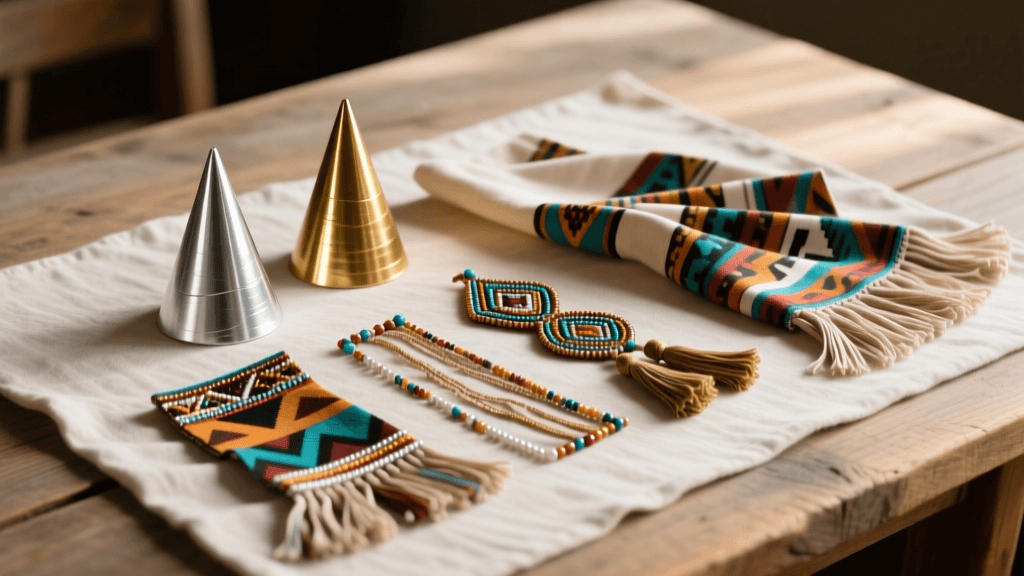
A Jingle Dress is defined by its rows of rolled metal cones—often referred to as 'jingles' or ziibaaska'iganan in Ojibwe. When the dancer moves, these cones strike one another, creating a sound reminiscent of rain falling on a tin roof. According to cultural historians and resources like the National Museum of the American Indian, the sound itself is considered a vital component of the dress's healing properties, carrying prayers to the Creator.
For a deeper understanding of the dance's origins, protocols, and the spiritual responsibilities of the dancer, artisans and community members frequently reference the educational archives at Powwows.com, which emphasize that the dress is not merely a costume, but a sacred garment that demands respectful handling, creation, and wear.
Sourcing Metal Cones (Jingles) in 2026
The jingles are the heartbeat of the dress. In 2026, artisans have several options for sourcing cones, ranging from mass-produced imports to hand-rolled pieces crafted by Native metalsmiths.
Types of Metal Cones
- Rolled Tin: The traditional choice. Tin produces a deep, resonant, and authentic sound. However, it is heavier and can oxidize over time if not properly cared for.
- Aluminum: Highly popular in 2026, especially for youth and teen dancers. Aluminum is lightweight, rust-proof, and produces a brighter, higher-pitched chime. It is ideal for the hot summer powwow circuit.
- Copper & Brass: Often used as accent cones on the bodice or sleeves for visual contrast. They are heavier and more expensive, usually reserved for adult competition dancers.
Where to Buy and 2026 Pricing
Due to global metal market fluctuations, the price of raw materials has shifted this year. You can expect to pay between $0.35 and $0.65 per cone depending on the material and whether they are hand-rolled. A standard adult dress requires between 300 and 450 cones. Long-standing suppliers like Crazy Crow Trading Post continue to be reliable sources for both pre-rolled cones and raw metal sheets for artisans who prefer to cut and roll their own using specialized snuff-can molds and heavy-duty shears.
Choosing the Right Base Fabrics
The base fabric of a Jingle Dress must be durable enough to support the weight of hundreds of metal cones while remaining breathable for the dancer. In 2026, the trend leans heavily toward high-quality, sustainable cottons and reinforced poly-cotton blends.
- Cotton Broadcloth: The gold standard for traditional dresses. It is breathable, takes dye beautifully, and holds heavy seams well. Expect to pay $12 to $18 per yard for premium, high-thread-count broadcloth.
- Calico: Frequently used for traditional Ojibwe-style dresses featuring floral patterns. Sourcing authentic, high-quality calico from specialized quilting or Native-owned textile shops ensures the colors will not bleed during outdoor summer events.
- Poly-Cotton Twill: A modern favorite for contemporary competition dresses. Twill offers superior structural integrity, preventing the fabric from sagging under the weight of the jingles, while the polyester blend resists wrinkling during travel.
2026 Yardage and Measurements Chart
Accurate yardage estimation prevents costly mid-project shortages. The amount of fabric required depends heavily on the dancer's height and whether the dress features a traditional straight cut or a contemporary flared skirt with hidden pleats.
| Dancer Height | Dress Style | Base Fabric Yardage | Ribbon Trim Yardage | Estimated Cone Count |
|---|---|---|---|---|
| Under 4'5" (Youth) | Traditional Straight | 3.5 - 4.5 Yards | 15 Yards | 150 - 200 |
| 4'6" - 5'2" (Teen) | Traditional Straight | 5 - 6 Yards | 22 Yards | 220 - 280 |
| 5'3" - 5'7" (Adult) | Contemporary Flared | 7 - 8.5 Yards | 35 Yards | 320 - 380 |
| 5'8"+ (Tall Adult) | Contemporary Flared | 9 - 11 Yards | 45 Yards | 400 - 450+ |
Note: Always purchase an additional 15% of base fabric to account for pattern matching, shrinkage, and cutting errors.
Ribbon Appliqué and Trim Sourcing
Ribbon appliqué is a hallmark of Woodlands and Great Lakes regalia. For a Jingle Dress, ribbons are used to create the geometric or floral patterns that frame the bodice, sleeves, and hemline.
In 2026, double-face satin ribbons (1 inch to 2 inches wide) remain the most popular choice due to their vibrant color retention and resistance to fraying. When sourcing ribbons, avoid discount craft store spools, as the synthetic fibers often melt when ironed. Instead, purchase bulk rolls from dedicated regalia supply shops or online Native artisans. Budget approximately $0.25 to $0.50 per yard for high-quality satin ribbon, meaning a full adult dress trim can cost between $60 and $90 just in ribbon.
Essential Sewing Notions for Heavy Regalia
Standard sewing supplies will fail under the stress of a Jingle Dress. The combined weight of the fabric and metal cones can easily tear standard seams. To ensure your regalia survives the rigors of the 2026 powwow season, invest in the following heavy-duty notions:
- Upholstery Thread: Use a bonded nylon or heavy-duty polyester upholstery thread for attaching the cones. Standard cotton thread will snap within the first few dances.
- Denim/Leather Needles: Size 18 (110) or Size 20 (125) denim needles are required to punch through multiple layers of broadcloth, ribbon, and interfacing without breaking.
- Fusible Interfacing: Apply heavy-weight fusible interfacing to the inside of the bodice and the hemline where the cones will be concentrated. This distributes the weight and prevents the fabric from stretching out of shape.
- Grosgrain Ribbon (for internal ties): Use 1-inch grosgrain ribbon to create internal waist ties and shoulder reinforcements, anchoring the dress to the dancer's body to reduce strain on the outer seams.
Step-by-Step Construction Tips
1. Reinforce the Hemline
Before attaching any cones, fold the hem up by at least two inches and stitch a blind hem or topstitch with a double needle. The bottom row of cones takes the most abuse, striking the dancer's legs and the ground. Adding a strip of heavy cotton twill tape inside the hem fold provides an anchor point for the cone ties.
2. Spacing and Tying the Cones
Traditional spacing places the cones exactly one inch apart in staggered, alternating rows. This ensures that when the dancer steps, the cones have enough room to swing and strike one another, but are close enough to create a unified sound. When tying the cones, use a secure square knot or a surgeon's knot with your upholstery thread, and seal the knot with a tiny drop of flexible fabric glue to prevent unraveling during vigorous competition dancing.
3. Snag-Free Appliqué
When applying your satin ribbon patterns, use a zig-zag stitch or a blind hem stitch on the edges. Ensure all ribbon ends are folded under and sealed with a fray-check solution. Loose ribbon threads can easily catch on the metal cones, leading to torn appliquiqué mid-performance.
Budgeting Your 2026 Jingle Dress Project
Creating a high-quality, competition-ready Jingle Dress is a significant financial and temporal investment. Below is a realistic budget breakdown for an adult contemporary dress in 2026, assuming the maker is sourcing mid-to-high-tier materials.
| Material Category | Specifications | Estimated 2026 Cost |
|---|---|---|
| Base Fabric | 8 Yards Premium Cotton Broadcloth | $120 - $150 |
| Metal Cones | 350 Rolled Aluminum/Tin Cones | $140 - $210 |
| Ribbon Appliqué | 35 Yards Double-Face Satin | $60 - $90 |
| Notions & Thread | Upholstery Thread, Needles, Interfacing | $45 - $65 |
| Lining & Twill Tape | 4 Yards Poly-Cotton Lining, Grosgrain | $40 - $55 |
| Total Estimated Cost | Excluding Labor and Beadwork Accents | $405 - $570 |
Final Thoughts on Protocol and Respect
As you cut your fabric and roll your cones, remember that the Jingle Dress is a living, breathing entity within Indigenous culture. It is a vessel for healing, community, and ancestral connection. In 2026, as Native fashion and regalia continue to gain global visibility, the responsibility of the maker is to prioritize cultural integrity over fast-fashion shortcuts. Support Native-owned textile businesses, seek guidance from elders regarding specific colorways and patterns reserved for certain families or societies, and approach the sewing machine with a good heart and clear intentions. The true beauty of the Jingle Dress lies not just in the flash of the metal or the vibrant ribbons, but in the prayers tied into every single knot.