Jingle Dress Regalia: Material Sourcing & Construction Guide 2026
The Enduring Legacy of the Jingle Dress
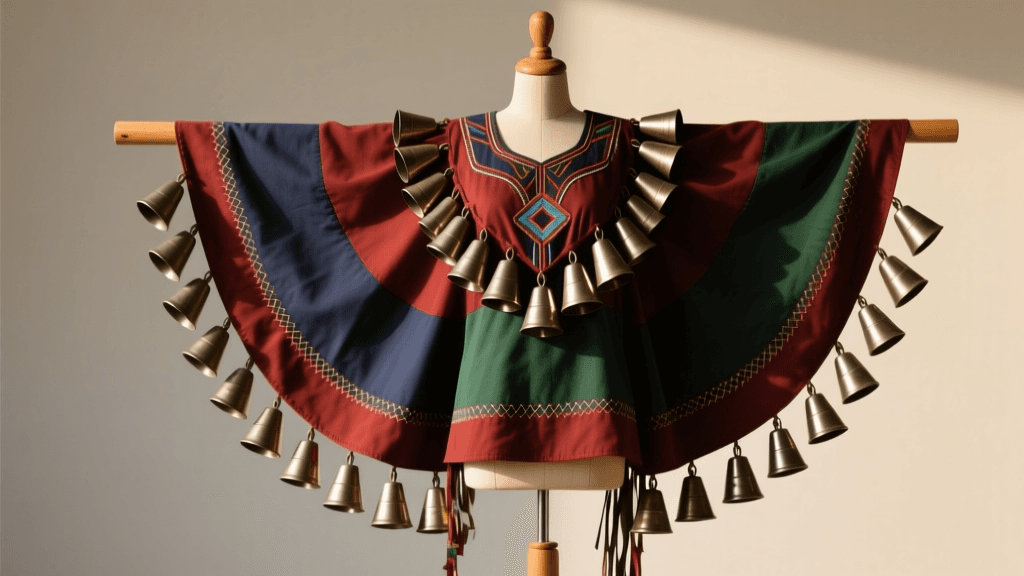
The Jingle Dress, widely recognized across Turtle Island as a powerful symbol of healing and resilience, originated among the Ojibwe (Anishinaabe) people in the early 20th century. According to oral histories documented by institutions like the Smithsonian National Museum of the American Indian, the dress was born from a vision received by an Ojibwe grandfather from the Mille Lacs Band during the devastating 1918 influenza pandemic. The vision instructed him to create a dress adorned with metal jingles, which would be used in a special dance to heal his gravely ill granddaughter. When the community performed the dance, the girl recovered, cementing the Jingle Dress as a profound spiritual medicine.
Today, the Jingle Dress dance is a staple at powwows across North America. As we navigate the 2026 powwow season, the regalia has evolved to include vibrant contemporary fabrics and intricate ribbon work, while maintaining the sacred protocols of its construction and the distinctive, rain-like sound of the metal cones. Creating a Jingle Dress is not merely a sewing project; it is an act of cultural preservation, requiring patience, respect for tradition, and an understanding of specialized material sourcing.
Sourcing Authentic Metal Jingle Cones in 2026
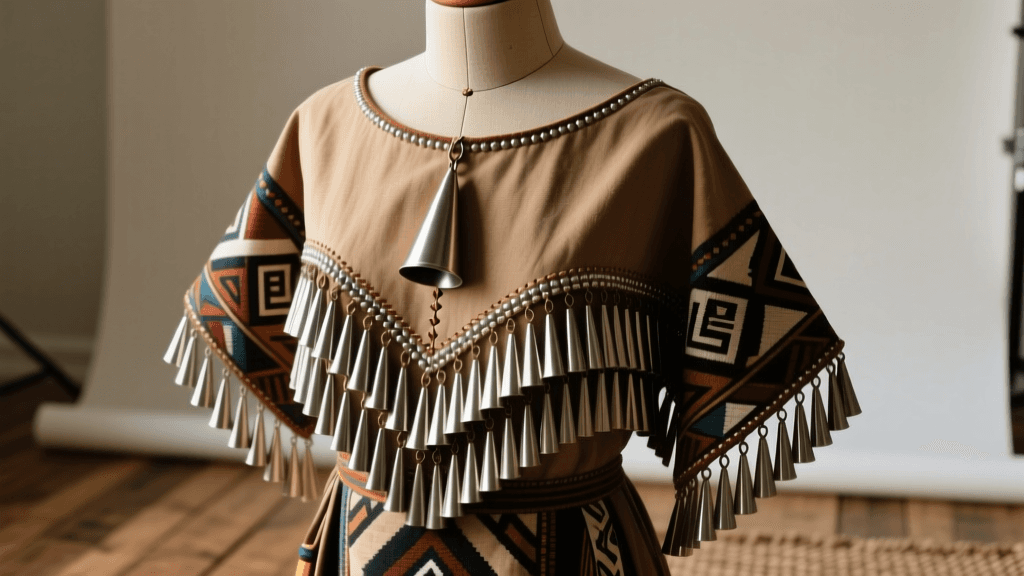
The heartbeat of the Jingle Dress lies in its cones. Historically crafted from rolled tobacco tin lids, modern jingles are now manufactured from a variety of metals, each producing a distinct acoustic profile. In 2026, global copper market fluctuations have slightly driven up the cost of pure rolled copper cones, leading many artisans to explore brass alloys and high-grade stamped tin alternatives.
When sourcing cones, artisans typically purchase them by the gross (144 pieces). A standard adult dress requires anywhere from 150 to 300 cones, depending on the desired weight and sound density. Below is a breakdown of the primary materials available from indigenous metalworkers and specialized powwow suppliers this year.
| Cone Material | Sound Profile | 2026 Avg Cost (per gross) | Best Use Case |
|---|---|---|---|
| Rolled Copper | Deep, resonant, melodic chime | $180 - $250 | Adult competition and traditional regalia |
| Stamped Tin | High-pitched, bright, sharp clatter | $90 - $130 | Youth dresses and lightweight travel sets |
| Brass Alloy | Warm, mid-range sustain | $150 - $200 | Blended sound profiles and outdoor arenas |
Note: When purchasing rolled copper, ensure the edges are smoothed or 'lipped' by the manufacturer to prevent the sharp metal from slicing the cotton string or leather thong used to tie them to the fabric.
Selecting Broadcloth and Ribbon Appliqué
The foundation of a traditional Jingle Dress is the fabric. While early 20th-century dresses were often made from available cotton calicos, the modern standard for high-quality regalia is wool broadcloth, specifically Stroud cloth. Stroud cloth is a heavy, durable wool that drapes beautifully and can support the immense weight of hundreds of metal cones without tearing or sagging.
For the 2026 season, deep jewel tones and traditional medicine colors (red, black, green, and white) remain highly sought after. However, sourcing 100% wool Stroud cloth requires planning, as many premier textile mills operate on limited seasonal runs. Artisans are advised to order their base yardage at least three months before their intended powwow debut.
Ribbon Work and Geometric Patterns
To adorn the hem, yoke, and sleeves, artisans utilize ribbon appliqué. This technique involves layering and cutting satin ribbons to create intricate geometric or floral patterns that are then sewn onto the broadcloth. In 2026, laser-cut ribbon templates have become a popular tool for beginners to achieve perfectly symmetrical Prairie-style geometric designs, though hand-cutting with appliqué scissors remains the respected traditional method.
- Satin Ribbon Widths: Use 1-inch and 2-inch widths for bold, visible contrast from the arena stands.
- Thread Selection: Always use heavy-duty polyester or nylon upholstery thread for ribbon work to withstand the friction of the dance.
- Needle Types: A size 16 or 18 denim/leather needle is essential when sewing through multiple layers of wool and ribbon.
Step-by-Step Construction and Cone Placement
The mathematical precision of cone placement dictates both the visual flow and the acoustic harmony of the dress. The cones must be staggered so that they do not tangle, yet remain close enough to create a unified 'shhh-shhh' sound that mimics falling rain.
- Drafting the Grid: Mark your fabric with a fabric-safe chalk pencil. Create horizontal rows spaced exactly 1.5 inches apart. Within each row, space the cones 1 inch apart.
- Staggering the Rows: Offset every alternate row by half an inch. This diamond-grid staggering prevents the cones from interlocking during the kinetic movements of the dance.
- Tying the Cones: Traditionally, leather thongs or sinew were used. Today, heavy-duty waxed cotton string or braided nylon is preferred for its durability and ease of replacement. Thread the string through the top hole of the cone, pull it up to the marked dot on the fabric, and tie a secure double square knot on the inside of the dress.
- Weight Distribution: An adult dress with 250 copper cones can weigh upwards of 15 to 20 pounds. Ensure the bodice and waistband are heavily interfaced and lined with cotton canvas to distribute the weight across the dancer's shoulders and hips, preventing fatigue during long grand entries.
Sewing Equipment for Heavy Regalia
Constructing a Jingle Dress will quickly burn out the motor of a standard, lightweight domestic sewing machine. The combination of thick wool, multiple layers of ribbon, and canvas interfacing requires a machine with high torque and a walking foot attachment to feed the fabric evenly. Based on 2026 market availability and artisan reviews, the following heavy-duty models are highly recommended:
- Janome HD1000BE (Black Edition): Featuring an all-aluminum interior frame, this machine handles thick broadcloth and leather thongs with ease. It is a favorite among powwow regalia makers for its reliability.
- Singer Heavy Duty 4452: A more budget-friendly option that still offers a powerful motor capable of piercing through dense wool seams. Ensure you use the included walking foot to prevent the ribbon layers from shifting.
- Industrial Straight Stitch Machines: For those making multiple dresses for family members or community, a portable industrial machine like the Juki DDL-8700 remains the gold standard for flawless, high-speed seam construction.
Care, Maintenance, and Protocol
Because the Jingle Dress is considered sacred medicine, it demands specific care and respect. Archival records from the Library of Congress highlight the importance of preserving indigenous textiles, a practice that extends to modern regalia maintenance.
After every powwow, the dress should be hung in a cool, dry place. Never store a Jingle Dress in a plastic bag, as trapped moisture will cause tin and brass cones to oxidize or rust, which can stain the wool and degrade the tying strings. If copper cones develop a heavy patina, they can be gently polished with a natural lemon-salt solution, though many dancers prefer the darkened, aged look of well-traveled copper.
Finally, the protocol of the dress extends beyond its physical care. The Jingle Dress is a healing dress. Dancers are taught to keep their feet close to the earth, never lifting them entirely off the ground, to maintain a spiritual connection with the land and the ancestors. When traveling to the 2026 powwow trail, the dress should be kept in a dedicated, clean cloth garment bag, separate from everyday street clothes, honoring the medicine it carries and the healing it brings to the communities it visits.