LDS Temple Garment Shopping Guide 2026: Where & How to Buy
Understanding LDS Temple Garments in 2026
For endowed members of The Church of Jesus Christ of Latter-day Saints, temple garments are far more than simple undergarments. They are sacred clothing that serve as a constant, personal reminder of the covenants made in the temple. Often referred to in historical or cultural contexts as 'Mormon garments' or LDS garments, these items hold deep spiritual significance and are treated with the utmost reverence.
As we navigate 2026, the landscape of purchasing these sacred items has become more streamlined, centralized, and digitally accessible than ever before. The Church has made significant efforts to ensure that the procurement of garments respects their sacred nature while providing members with high-quality, comfortable, and climate-appropriate options. Whether you are an endowed member needing to restock, a parent helping a young missionary prepare for their service, or a newly endowed adult making your first purchase, understanding the current 2026 purchasing protocols is essential.
'The garment is a sacred and personal reminder of the covenants you have made in the temple. It also provides protection against temptation and evil.' — Gospel Topics: Garments
Where to Buy: The Official 2026 Distribution Channels
If you are wondering where to buy LDS temple garments today, it is important to note that third-party retail options have been entirely phased out. In the past, members might have found limited garment options at local retailers or standard Deseret Book mall kiosks. Today, to maintain quality control, privacy, and reverence, all garment purchases must go through official Church channels.
1. The Official Online Church Store
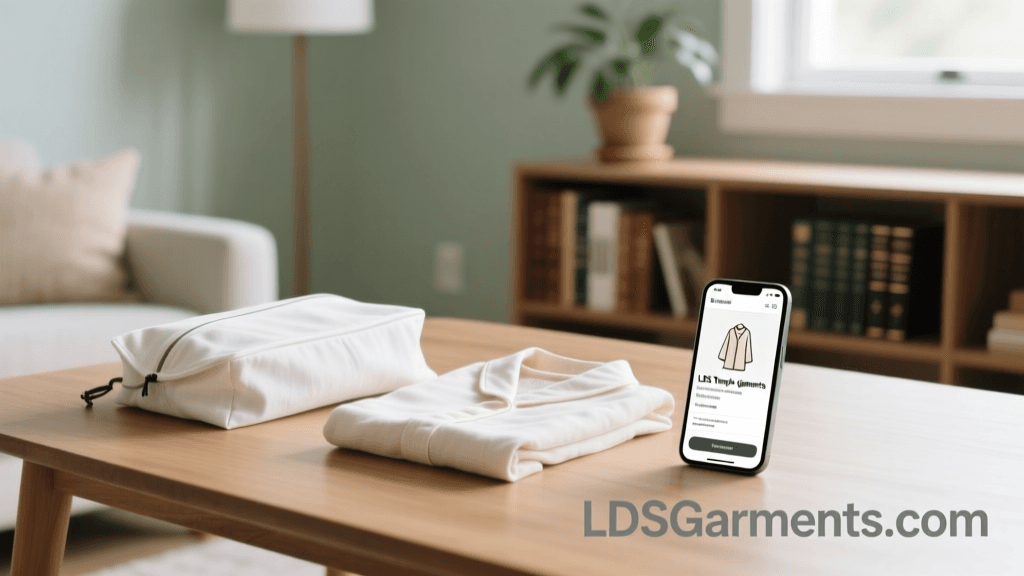
The primary and most convenient method for purchasing garments in 2026 is through the Official Church Store. This secure, members-only portal offers the complete catalog of styles, fabrics, and sizes. The online store is available globally, with localized shipping hubs ensuring that members in North America, Europe, Asia, and Latin America can receive their orders efficiently.
2. Physical Distribution Centers
For members who prefer to see and feel the fabrics before buying, or who need immediate replacements while traveling, physical Church Distribution Centers remain operational. These centers are typically located adjacent to temples, major regional Church headquarters, and Missionary Training Centers (MTCs). You can locate your nearest center via the official Church website, though it is highly recommended to call ahead to confirm their current inventory of specific styles and sizes.
How to Order Online: Step-by-Step Verification
Because of the sacred nature of the garments, the online store employs a strict verification process. You cannot simply create an account and purchase them; your ecclesiastical standing must be verified. Here is how the process works in 2026:
- Step 1: Create or Link Your Church Account. You must have an active Church Account (the same one used for the Member Tools app or Donations). Ensure your 11-digit Membership Record Number (MRN) is linked to your profile.
- Step 2: Temple Recommend Verification. When you first navigate to the garment section of the online store, the system will automatically ping your local ward and stake records to verify that you hold a current, active Temple Recommend. This is usually instantaneous, but if there is a discrepancy, you may need to speak with your bishop.
- Step 3: Select Styles and Fabrics. Once verified, the full catalog unlocks. You can filter by gender, fabric type, sleeve length, and neckline.
- Step 4: Checkout and Shipping. Orders are shipped in discreet, unmarked packaging to protect member privacy. Standard shipping is heavily subsidized by the Church to keep costs low for members worldwide.
Fabric Guide: Choosing the Right Material for Your Lifestyle
One of the most significant advancements in recent years has been the expansion of fabric technologies. In 2026, members have access to a variety of materials designed to accommodate different climates, sensitivities, and activity levels. Below is a comparison chart of the primary fabrics currently available.
| Fabric Type | Composition | Best For | Climate Suitability | Durability & Care |
|---|---|---|---|---|
| 100% Cotton | Natural Cotton | Sensitive skin, traditional feel, sleeping | Moderate / Cool | High shrinkage; requires tumble dry low |
| Cotton/Poly Blend | 65% Cotton / 35% Polyester | Everyday wear, budget-conscious buyers | All Seasons | Highly durable; minimal shrinkage |
| Stretch Cotton | Cotton / Spandex Blend | Active lifestyles, athletic builds, women's form-fit | Moderate / Warm | Excellent shape retention; wash cold |
| Modest Mesh | Nylon / Spandex Mesh | Extreme heat, humidity, tropical missions | Hot / Humid | Quick-drying; lightweight; hand wash recommended |
For members living in tropical regions of Latin America or those serving missions in Southeast Asia, the Modest Mesh has become the gold standard for preventing heat exhaustion while maintaining covenant obligations. Conversely, the Cotton/Poly Blend remains the most popular choice for everyday wear in North America due to its balance of breathability and wrinkle resistance.
Exploring Styles: Men's and Women's Options
The Church offers a diverse array of styles to ensure that garments can be worn comfortably under modern professional, casual, and formal attire.
Women's Garment Styles
Women's tops in 2026 feature a variety of necklines and sleeve lengths to accommodate modern fashion trends while maintaining modesty. Options include:
- Cap Sleeve & Short Sleeve: Ideal for wearing under t-shirts and blouses.
- V-Neck & Scoop Neck: Designed to remain hidden under lower-cut professional or casual tops.
- Stretch & Form-Fit: Tailored specifically for the female form, preventing bunching under fitted dresses or business attire.
- Maternity Styles: Specially designed with extra room and stretch to accommodate pregnancy comfortably.
Men's Garment Styles
Men's garments are designed to function as comfortable undershirts and boxer-brief style bottoms. Options include:
- Crew Neck & V-Neck: Standard options for wearing under button-down shirts or t-shirts.
- Pocket Tops: A traditional style featuring a small chest pocket, favored by older generations and those in professional settings.
- Knee-Length Bottoms: Available in both regular and extended lengths to prevent riding up during physical activity or while wearing suits.
Pricing, Bulk Orders, and Missionary Preparation
The Church operates the garment program on a non-profit basis, meaning prices are kept as close to the cost of manufacturing and distribution as possible. In 2026, individual tops and bottoms generally range from $11.00 to $17.00 USD, depending on the fabric and style complexity (with stretch and mesh options sitting at the higher end of that spectrum).
Preparing for a Mission
For young adults preparing to serve a full-time mission, buying garments in bulk is a critical part of MTC preparation. Missionaries are advised to purchase at least 15 to 20 sets before departing, depending on their assignment's climate and laundry access. Pro Tip for 2026: Always wash and dry 100% cotton garments at least twice before packing them for the MTC to account for shrinkage and to soften the fabric, preventing chafing during the rigorous first weeks of training.
Sizing, Fit, and Proper Care
Getting the right fit is crucial for both comfort and reverence. The online store features an interactive, AI-assisted sizing tool where you can input your height, weight, and preferred fit (snug vs. relaxed) to receive a personalized recommendation. Do not simply order your 'street clothes' size, as garment sizing is uniquely calibrated.
Care Instructions
To extend the life of your garments, always follow the care tags. Wash in cold or warm water with like colors. Avoid bleach, which degrades the spandex in stretch fabrics and weakens cotton fibers. Tumble dry on low heat, especially for cotton blends, to prevent excessive shrinkage.
Retiring Worn Garments
When garments become thin, torn, or unwearable, they must be retired respectfully. According to the Church General Handbook, members should carefully cut out the sacred marks (the emblematic symbols sewn into the fabric) and destroy them. The remaining fabric can then be discarded in the regular trash or repurposed as cleaning rags, as the sacred nature of the garment is tied to the marks and its intended use.
Conclusion
Shopping for LDS temple garments in 2026 is a seamless, secure, and highly personalized experience. By utilizing the official online Church store, members can access a wide variety of modern fabrics and styles that fit seamlessly into their daily lives. Whether you are selecting breathable mesh for a humid climate, stretch cotton for an active lifestyle, or traditional cotton for everyday comfort, the centralized distribution system ensures that every endowed member has access to the sacred clothing they need to honor their covenants.