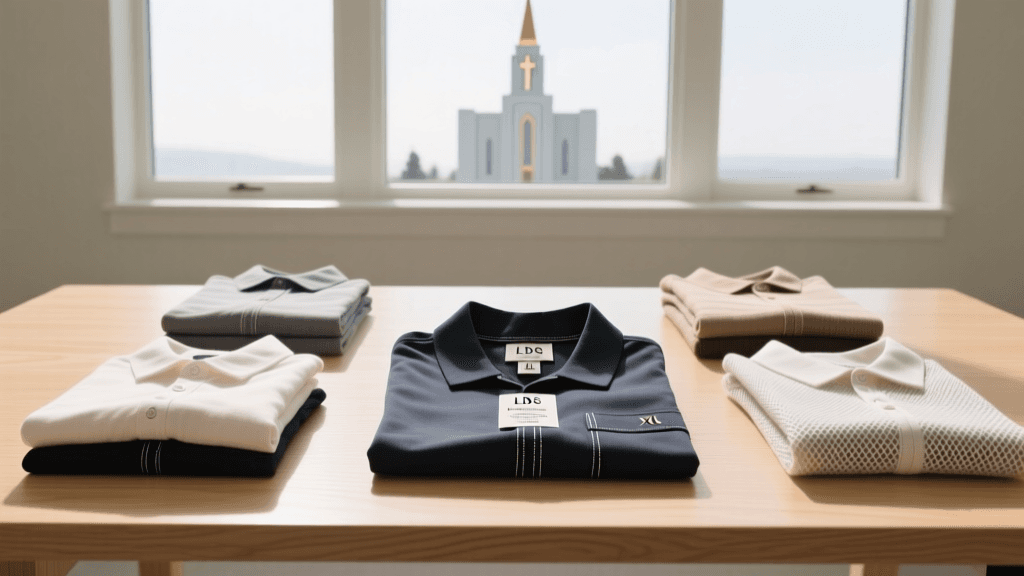
LDS Garment Materials and Modern Styles: 2026 Guide
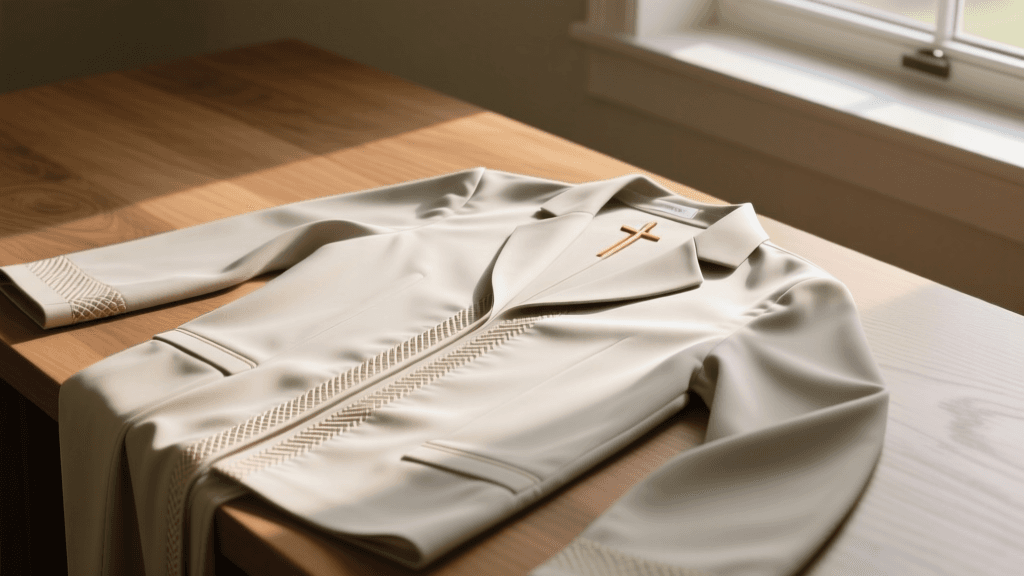
The Evolution of Sacred Clothing in 2026
For members of The Church of Jesus Christ of Latter-day Saints, temple garments represent a deeply personal and sacred commitment. Often referred to as Mormon garments, these undergarments serve as a physical reminder of covenants made in the temple. According to the official Gospel Topics essay on temple garments, the clothing provides a constant, private reminder of the wearer's devotion and spiritual promises. As we navigate 2026, the intersection of sacred tradition and modern textile technology has resulted in significant updates to garment styles, materials, and accessibility.
Historically, garments were predominantly crafted from heavy, woven cotton or linen, requiring meticulous care and often proving uncomfortable in extreme climates. Today, the focus has shifted toward sustainable, breathable, and adaptive fabrics that honor the sacred nature of the garment while accommodating the diverse, active lifestyles of a global membership. The 2026 catalog reflects a deep understanding of global climates, physical accessibility, and modern fabric science.
2026 Fabric Innovations: Beyond Traditional Cotton
The most notable shift in the 2026 garment catalog is the widespread integration of advanced, eco-friendly textile blends. While traditional 100% cotton remains available for those with specific skin sensitivities or traditional preferences, the majority of members now opt for high-performance blends that offer superior comfort and durability.
Bamboo viscose has emerged as a premier material in 2026. Known for its natural antibacterial properties, exceptional softness, and superior moisture-wicking capabilities, bamboo-blend garments are highly sought after by members living in tropical or humid climates. The micro-porous structure of bamboo fibers allows for enhanced breathability, reducing the friction and heat retention that plagued older cotton iterations.
Modal fabric, derived from sustainably harvested beech tree pulp, continues to be a staple for its silk-like drape and resistance to shrinkage. In 2026, manufacturers have refined the modal-spinning process to create a lighter-weight, four-way stretch modal that moves seamlessly with the body during physical activities, from hiking to professional athletics. Furthermore, the introduction of specialized cooling yarns, infused with microscopic jade or mica particles, has revolutionized summer wear. These performance garments actively pull heat away from the skin, providing a measurable cooling effect that is particularly beneficial for members serving missions or working in high-temperature environments.
Material Comparison Chart for 2026 Garments
| Material Blend | Breathability | Durability | Shrink Resistance | Best Use Case |
|---|---|---|---|---|
| 100% Cotton | Moderate | High | Low | Sensitive skin, temperate climates |
| Bamboo Viscose | Excellent | Moderate | High | Humid climates, daily office wear |
| Micro-Modal | High | High | Excellent | Active lifestyles, travel |
| Cooling Performance | Maximum | High | Excellent | Outdoor labor, summer missions |
Modern Style Updates and Adaptive Wear
Beyond fabric, the physical cut and construction of the garments have seen thoughtful modernization. The standard styles available in 2026 include the traditional crew neck, the versatile V-neck, and the increasingly popular cap-sleeve and rounded-hem designs for women. The rounded-hem tops, which eliminate the need to tuck the garment into waistbands, have become the standard for women wearing high-waisted trousers, dresses, or athletic wear.
Perhaps the most vital update in recent years, fully realized in the 2026 distribution lineup, is the expansion of adaptive garments. Recognizing the needs of members with physical disabilities, limited mobility, or sensory processing disorders, the Church and approved third-party manufacturers have introduced garments featuring magnetic closures, Velcro-style shoulder tabs, and seamless tagless interiors. These adaptive designs ensure that the sacred covenants represented by the garment are accessible to all members, regardless of physical limitations. Sensory-friendly options now utilize flatlock stitching to eliminate interior seams that can cause irritation, catering to neurodivergent members or those with conditions like fibromyalgia or severe neuropathy.
Specialized Options: Maternity, Youth, and Athletics
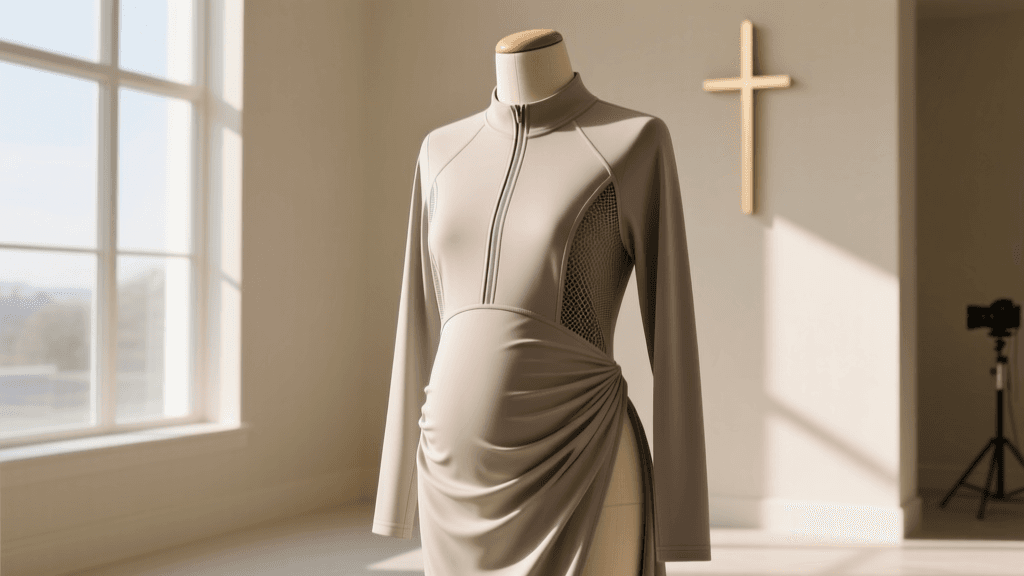
As the global membership grows, the necessity for specialized garment options has become a priority for 2026. Maternity garments now feature advanced four-way stretch panels that accommodate a growing bump without sacrificing the required coverage or altering the placement of the sacred markings. These panels utilize a breathable, medical-grade mesh that prevents overheating during the later stages of pregnancy.
For youth transitioning into young adulthood and preparing for missions or temple ordinances, the 2026 lineup includes introductory styles designed for highly active teenagers. These feature reinforced gussets, anti-odor silver-ion treatments, and ultra-durable waistbands capable of withstanding rigorous daily activities, from sports practices to outdoor expeditions. Athletic compression garments have also seen a massive overhaul. Partnering with sports-textile engineers, approved manufacturers now offer compression shorts and undershirts that integrate the garment markings seamlessly into high-performance athletic wear, allowing members to participate in marathons and competitive sports without chafing.
Sourcing and Purchasing in 2026
Acquiring garments requires a current temple recommend, ensuring that the sacred nature of the clothing is respected. Members can purchase these items directly through the official Church store online or at physical distribution centers located near temples worldwide. In 2026, the online ordering system has been upgraded with AI-driven sizing recommendations. By inputting standard measurements or scanning a quick body-metric profile via the secure app, members receive highly accurate size suggestions, drastically reducing the need for returns and exchanges.
For members residing in regions without easy access to distribution centers, the global shipping network has been optimized. Flat-rate international shipping and localized regional hubs in South America, Africa, and Southeast Asia have reduced delivery times from weeks to mere days. Additionally, the Church continues to authorize a select group of third-party retailers to sell approved garment patterns, ensuring that members have access to specialized styles that may not be fully stocked in standard distribution centers.
Care and Longevity for Sustainable Wear
With the rising cost of textiles and a growing emphasis on environmental stewardship, proper garment care is essential in 2026. The modern blends of bamboo and modal require specific laundering techniques to maintain their structural integrity and sacred markings. Experts recommend washing garments in cold water using mild, enzyme-free detergents. Harsh chemicals and bleach not only degrade the elastic fibers but can also compromise the natural antibacterial properties of bamboo.
Air drying is highly encouraged, particularly for the cooling-performance blends, as high heat from commercial dryers can melt the microscopic cooling minerals embedded in the yarn. When a garment becomes worn, torn, or no longer serviceable, the protocol remains unchanged: the sacred markings are carefully cut out and destroyed, while the remaining fabric can be discarded or sent to specialized textile recycling programs that have partnered with local distribution centers to repurpose the cotton and modal fibers into industrial insulation.
Conclusion
The landscape of LDS temple garments in 2026 reflects a beautiful harmony between eternal principles and modern innovation. By embracing sustainable bamboo blends, adaptive accessibility features, and advanced cooling textiles, the Church ensures that this sacred clothing remains a comfortable, practical, and deeply meaningful part of daily life for millions of members across the globe. Whether you are preparing for your first temple visit or updating your daily wear for a changing climate, the 2026 garment options provide unprecedented comfort without compromising spiritual significance.