How to Buy LDS Temple Garments in 2026: Styles & Sizing Guide
The American Roots and Sacred Purpose of LDS Temple Garments
Originating in the United States in the mid-19th century, the temple garment worn by members of The Church of Jesus Christ of Latter-day Saints represents a unique and deeply significant American religious textile tradition. Unlike secular fashion trends that evolve with the seasons, these sacred undergarments are designed to serve as a constant, physical reminder of covenants made in holy temples. For members of the faith, purchasing and wearing these garments is a profound spiritual practice rather than a mere clothing choice.
As we navigate the purchasing landscape in 2026, the process of acquiring LDS temple garments has become more streamlined and accessible than ever, blending physical distribution centers with a highly optimized digital storefront. Whether you are a newly endowed member preparing to buy your first set or a lifelong member looking to replenish your wardrobe with the latest fabric technologies, understanding where and how to buy is essential. This comprehensive guide covers everything from official purchasing channels to detailed sizing and fabric comparisons for 2026.
Where to Buy: Official Purchasing Channels in 2026
To maintain the sacred nature of the garments and ensure the highest quality of modest apparel, the Church strictly regulates their distribution. You cannot purchase authentic LDS temple garments at standard retail clothing stores or third-party online marketplaces. In 2026, there are two primary, official avenues for purchasing:
1. Church Distribution Centers
Physical Church Distribution Centers are typically located adjacent to temples or in dedicated commercial buildings in areas with high Latter-day Saint populations, such as Utah, Idaho, Arizona, and other regions across the Americas. Shopping in person offers distinct advantages:
- Professional Fitting: Trained staff members are available to help you take accurate measurements and suggest the best sizes.
- Immediate Availability: You can feel the different fabrics (cotton, modal, mesh, and stretch) and take your garments home the same day.
- Alterations and Exchanges: If a specific fit isn't quite right, in-person exchanges are seamless.
2. The Official Online Church Store
For those who do not live near a physical distribution center, the Official Church Store provides a robust online shopping experience. The 2026 digital interface features enhanced sizing algorithms, detailed virtual fit guides, and high-resolution fabric close-ups. Orders are shipped discreetly in plain packaging directly to your home or to a local distribution center for pickup.
Understanding Garment Styles and Fabrics
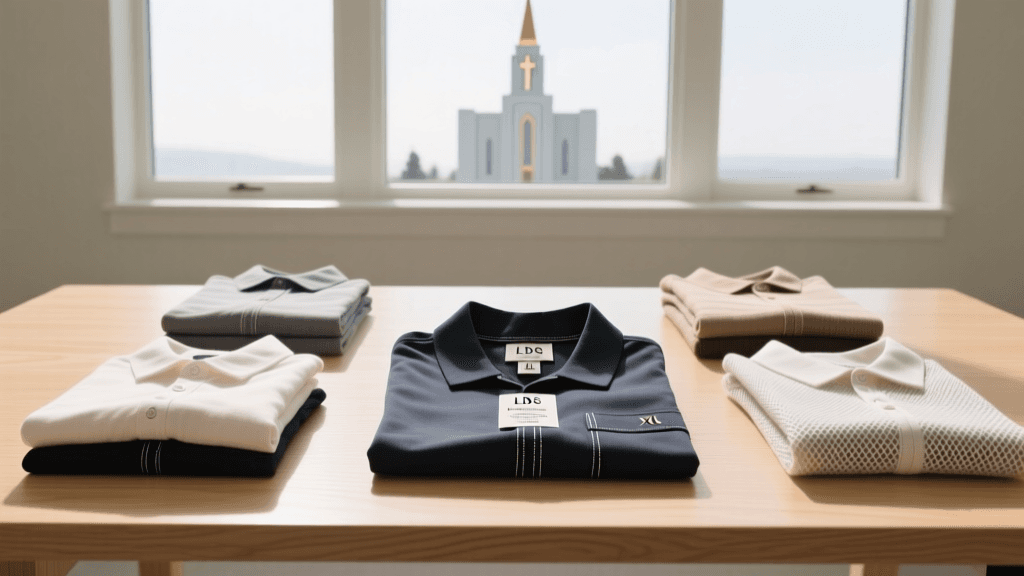
Over the decades, the Church has introduced various fabrics and styles to accommodate different climates, body types, and lifestyles. According to the Church's official guidelines on temple clothing and garments, members are encouraged to select the style and fabric that best suits their personal needs while maintaining the required modesty and coverage.
Below is a detailed comparison of the primary fabrics available in 2026:
| Fabric Type | Material Blend | Pros | Cons | Best For |
|---|---|---|---|---|
| Classic Cotton | 100% Cotton | Highly durable, breathable, retains shape well after washing. | Can feel heavy in extreme heat; takes longer to dry. | Everyday wear, cooler climates, traditional preference. |
| Modal | Modal / Spandex Blend | Exceptionally soft, lightweight, drapes beautifully, resists shrinking. | Slightly less durable than pure cotton over many years. | Office wear, sensitive skin, year-round comfort. |
| Mesh | Polyester / Spandex Mesh | Maximum breathability, moisture-wicking, dries very quickly. | Less opaque than cotton; requires careful washing. | Hot/humid climates, summer months, athletic activities. |
| Stretch | Cotton / Spandex Blend | Form-fitting without being restrictive, moves with the body. | Can feel too tight if sized incorrectly. | Active lifestyles, gym-goers, wearing under tailored clothing. |
Neckline and Length Variations
In addition to fabric, members can choose from several approved cuts. For tops, options include the traditional Crew Neck, the V-Neck (ideal for wearing under open-collared shirts), the Low-Crew, and for women, the Scoop Neck to accommodate wider necklines on outer blouses. Bottoms generally come in Knee-Length or Mid-Thigh variations, with elongated options available for taller individuals.
How to Measure and Select the Right Size
Proper fit is crucial. The General Handbook of the Church emphasizes that garments should not be worn so tightly that they cause discomfort or stretch the sacred marks, nor should they be so loose that they bunch up or fail to provide proper coverage.
To ensure the perfect fit when ordering online in 2026, follow these measurement steps:
- Chest/Bust: Measure around the fullest part of your chest/bust, keeping the tape measure level and snug but not tight.
- Waist: Measure around your natural waistline (usually just above the belly button).
- Hips: Measure around the fullest part of your hips and buttocks.
- Inseam (for bottoms): Measure from the crotch seam down to where you want the garment to end (mid-thigh or knee).
Pro Tip for 2026 Shoppers: If your measurements fall between two sizes on the Church Store's digital size chart, it is generally recommended to size up. Garments are designed to be comfortable and modest, not compressive like modern athletic wear.
The Purchasing Process: Temple Recommend Requirements
Because of their sacred nature, purchasing temple garments requires a valid, current temple recommend. This is a small card issued by local congregational leaders that verifies a member is in good standing and has received the necessary temple ordinances.
Buying In-Person
When visiting a Distribution Center, simply present your physical temple recommend or the digital recommend available on the official Church Member app to the cashier before checkout. The staff will verify its active status.
Buying Online
The 2026 online checkout system is fully integrated with the Church's central member database. When you log into your Church Account on the store website, the system automatically verifies your temple recommend status in the background. If your recommend is active, the temple garment categories will be visible and available for purchase. If your recommend has expired, the system will gently prompt you to speak with your local bishop to renew it before you can add garments to your cart.
2026 Pricing and Inventory Expectations
The Church operates its distribution centers and online store on a non-profit basis, meaning garments are sold essentially at the cost of production and shipping. As of 2026, members can expect the following pricing structure:
- Standard Cotton Tops/Bottoms: $9.00 - $11.00 per piece
- Modal and Stretch Blends: $11.00 - $13.50 per piece
- Specialty Mesh/Athletic Cuts: $12.00 - $14.00 per piece
- One-Piece Garments (for women): $18.00 - $22.00 per piece
Prices remain heavily subsidized and stable, ensuring that financial barriers do not prevent members from obtaining the sacred clothing they need. Bulk orders (e.g., purchasing 10+ tops and bottoms at once) often qualify for discounted flat-rate shipping through the online portal.
Care, Maintenance, and Respectful Disposal
Proper care extends the life of your garments and maintains their modest appearance. The 2026 fabric blends, particularly the modal and mesh options, require specific care routines:
- Washing: Machine wash cold with like colors. Avoid using harsh bleach, which can degrade the spandex fibers in stretch and modal blends and weaken the fabric around the sacred marks.
- Drying: Tumble dry on low heat or hang dry. High heat is the enemy of elastane and spandex, causing the garments to lose their shape and elasticity over time.
- Ironing: Generally not required, but if necessary, use a low heat setting, especially on synthetic blends.
Respectful Disposal
When garments become worn, torn, or no longer fit, they must be disposed of respectfully. Members are instructed to carefully cut out the sacred marks (the insignia located on the chest and knee areas) and destroy them. The remaining fabric, now stripped of its sacred markings, can be discarded in the regular trash or repurposed as cleaning rags. It is considered highly inappropriate to donate used garments to thrift stores or give them to individuals who do not hold a temple recommend.
Conclusion
Navigating the purchase of LDS temple garments in 2026 is a seamless process that honors both the sacred nature of the clothing and the practical needs of modern members. Whether you prefer the tactile experience of visiting a local Church Distribution Center or the convenience of the integrated online store, the Church provides high-quality, modest options suited for every climate and lifestyle. By understanding the different fabric technologies, taking accurate measurements, and properly caring for your garments, you ensure that this vital American religious textile tradition continues to serve its profound spiritual purpose in your daily life.