Japanese Jibata Looms & Oshima Tsumugi Weaving Guide 2026
The Resurgence of the Jibata in 2026
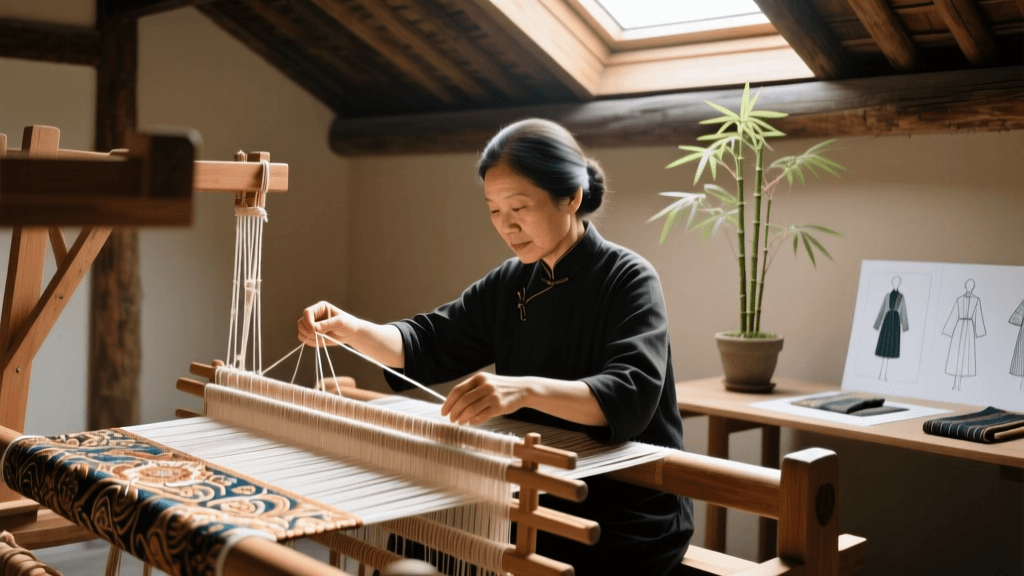
The rhythmic clack of the wooden batten against the reed is a sound that has echoed through Japanese weaving studios for centuries. In 2026, the global slow fashion movement and a renewed appreciation for intangible cultural heritage have driven an unprecedented resurgence in traditional Japanese textile arts. At the heart of this revival is the jibata (地機), the traditional Japanese backstrap-tension floor loom, and the breathtakingly complex Oshima Tsumugi (大島紬) pongee silk weaving method. Unlike the rigid frame looms popular in Western weaving, the jibata requires the weaver to become an integral, living component of the machine, using their own body weight to control the warp tension. This intimate connection between artisan and textile results in fabrics of unparalleled density, drape, and cultural significance.
As we navigate the textile landscape of 2026, mastering these traditional methods is no longer just an exercise in historical preservation; it is a highly sought-after skill in the luxury sustainable fashion sector. According to the Japan Kogei Association, the 2026 cohort of certified traditional craftspersons has seen a remarkable 30% increase in international apprenticeships, signaling a global appetite for authentic, hand-woven Asian textiles. This comprehensive guide will explore the anatomy of the jibata, the meticulous process of Oshima Tsumugi weaving, and actionable steps for sourcing looms and training in the current year.
Anatomy of the Traditional Jibata Floor Loom
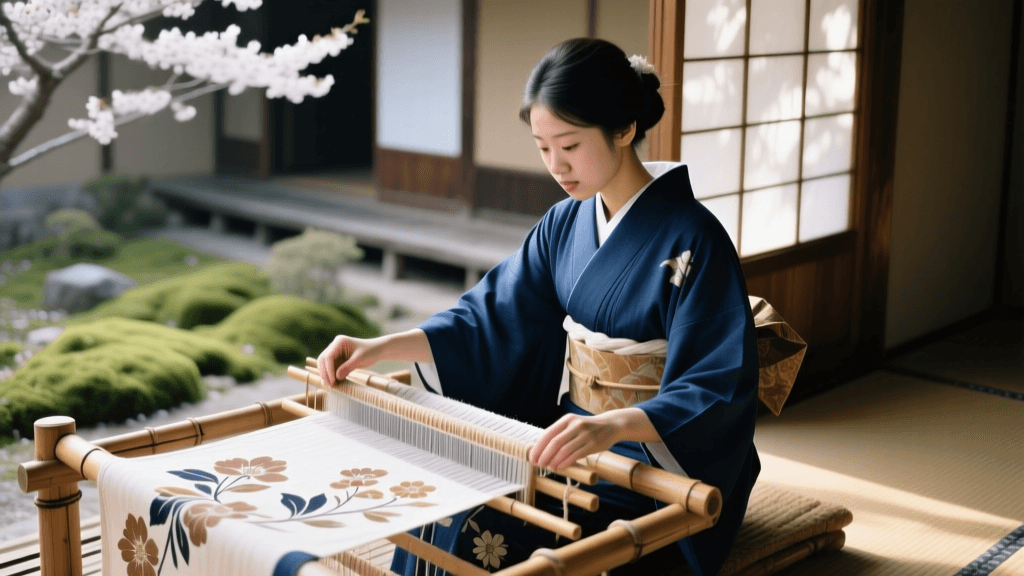
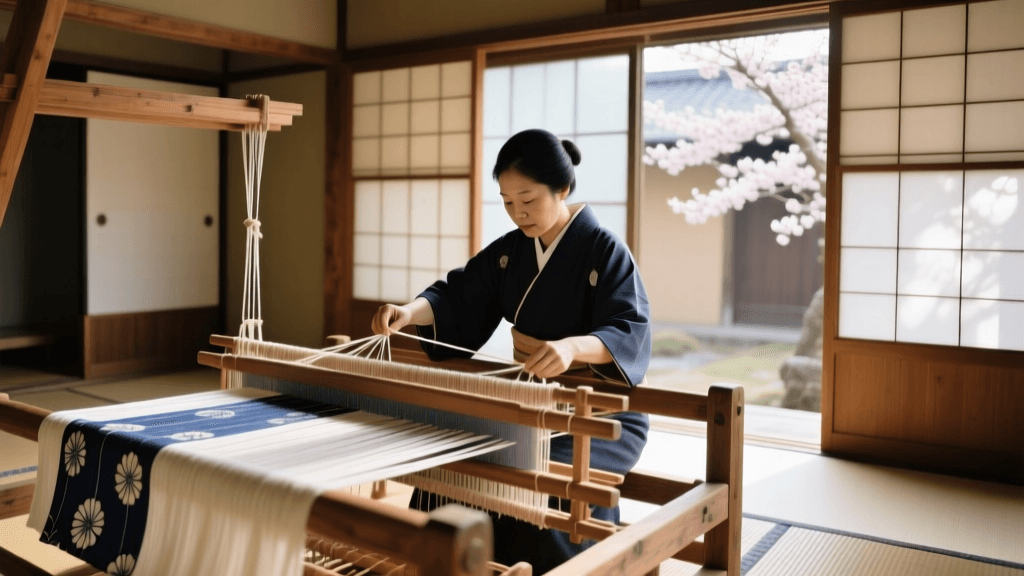
To understand the genius of Japanese hand-weaving, one must first understand the engineering of the jibata. Crafted primarily from aged hinoki (Japanese cypress) or keyaki (Japanese zelkova), the loom is designed to be low to the ground, allowing the weaver to sit on a tatami mat or a specialized low bench. The defining feature of the jibata is its tensioning system. While Western looms use mechanical ratchets and heavy iron brakes to hold the warp threads taut, the jibata relies on a koshimaki (a heavy canvas or leather waist belt) worn by the weaver. The warp beam is attached to the weaver's body, meaning every subtle shift in posture alters the tension of the silk threads.
Key Components of the Jibata
- Osa (Reed): Typically made from bamboo or finely polished metal in modern 2026 restorations, the osa determines the sett (ends per inch) of the fabric. For Oshima Tsumugi, a highly dense reed of 12 to 16 dents per centimeter is standard.
- Hata (Frame): The wooden chassis. Authentic antique frames from the early Showa period are highly prized in 2026, often retrofitted with ergonomic cushions to support the weaver's lower back during long sessions.
- Hi (Shuttle): The jibata utilizes a specialized, elongated boat shuttle. Because the shed (the opening between warp threads) on a backstrap loom is generally smaller and closer to the weaver, the shuttle is thrown with a precise, flicking wrist motion rather than a full arm sweep.
- Ayatori (Pattern Harness): For weaving intricate kasuri (ikat) patterns, the jibata is equipped with a complex system of treadles and heddle sticks. The weaver must memorize the treadling sequence, often consisting of over 40 distinct steps for a single geometric motif.
Oshima Tsumugi: Mastering the Mud-Dyed Kasuri
Oshima Tsumugi, originating from the Amami Oshima islands in Kagoshima Prefecture, is widely considered the pinnacle of Japanese kasuri weaving. The fabric is renowned for its lightweight, wrinkle-resistant properties and its deep, muted black-and-brown color palette, achieved through a highly specific mud-dyeing process known as dorozome. In 2026, environmental protections in the Kagoshima prefecture require artisans to use sustainably harvested, iron-rich mud from designated rice paddies, ensuring the ecological balance of the island is maintained while preserving the craft.
The creation of Oshima Tsumugi is a multi-generational effort that involves over 40 distinct steps. The most critical phase is the shimebata (binding loom) process, where specific sections of the silk warp and weft threads are tightly bound with cotton thread to resist dye. When woven together, these dyed and undyed sections align perfectly to form micro-geometric patterns. The hallmark of authentic Oshima Tsumugi is the "cross-kasuri" technique, where both the warp and weft threads are patterned. When you examine a genuine 2026-certified Oshima Tsumugi garment under a loupe, the intersection of the warp and weft forms a perfect, crisp cross, a testament to the weaver's absolute mastery of tension and alignment on the jibata.
The Agency for Cultural Affairs, Government of Japan strictly regulates the use of the "Oshima Tsumugi" designation. To earn the official certification seal in 2026, the fabric must be hand-woven on a traditional jibata, dyed using natural plant extracts (specifically the sharinbai or techi tree) and iron-rich mud, and feature a kasuri pattern tied entirely by hand. This rigorous standard ensures that the textiles produced today maintain the exact structural integrity and cultural authenticity of those woven centuries ago.
2026 Sourcing and Workshop Comparison
For textile artists, collectors, and fashion designers looking to study these methods or acquire authentic equipment, navigating the Japanese artisan network requires precise planning. Below is a comparison of the premier workshops and sourcing avenues available in 2026, detailing costs, focus areas, and logistical requirements.
| Workshop / Source | Location | 2026 Cost (USD) | Focus Area | Duration |
|---|---|---|---|---|
| Amami Oshima Tsumugi Village | Kagoshima Prefecture | $650 | Mud-dyeing (Dorozome) & Kasuri tying | 5 Days |
| Nishijin Textile Center (Artisan Annex) | Kyoto | $180 | Jibata threading & basic shuttle technique | 2 Days |
| Kyoto Artisan University (Extension) | Kyoto | $1,450 | Advanced Kasuri mathematics & Loom dressing | 3 Weeks |
| Japan Antique Loom Society (Private Sale) | Nationwide (Online/Auction) | $3,500 - $8,000 | Restored Hinoki Jibata Looms | N/A (Purchase) |
When planning your educational travel, the Japan National Tourism Organization (JNTO) offers specialized 2026 itineraries for "Craft and Heritage Tourism," which can help streamline the visa and local transit processes for international students attending these intensive rural workshops.
Step-by-Step: Preparing the Warp for Kasuri on the Jibata
Setting up a jibata for kasuri weaving is a masterclass in patience and geometry. Unlike plain weaving, where the warp is simply measured and beamed, kasuri requires the warp to be dyed in precise intervals before it ever touches the loom. Here is the standard operational sequence utilized by master weavers in 2026:
1. The Seikei (Warp Measurement) Phase
The raw silk threads are measured out on a large wooden warping frame called a seikei-dai. For a standard kimono bolt (approx. 12 meters long and 38 cm wide), over 1,200 individual warp threads must be measured. The artisan uses a counting cross to ensure zero threads are dropped or duplicated.
2. The Shimebata (Binding) Phase
Using a specialized binding loom, the artisan tightly wraps cotton thread around specific bundles of silk according to a graph-paper pattern draft. The pressure applied during binding is critical; if it is too loose, the dye will bleed into the resisted areas, blurring the final pattern. If it is too tight, the silk fibers will crush and break during the dyeing process.
3. Dorozome (Mud Dyeing)
The bound warp is boiled in the reddish-brown decoction of the techi tree. It is then submerged in the iron-rich mud of Amami Oshima. The chemical reaction between the tannins in the tree bark and the iron in the mud creates the signature deep, charcoal-black hue of Oshima Tsumugi. This cycle is repeated up to 80 times over several months to achieve the desired depth of color.
4. Mounting to the Jibata
Once dyed and the cotton bindings are carefully cut away, the warp is transferred to the jibata. The weaver secures the warp beam to their koshimaki (waist belt). Threading the osa (reed) and the heddles takes upwards of 40 hours for a complex cross-kasuri pattern. The weaver must constantly adjust their posture to maintain an even tension across the 38-centimeter width, ensuring the dyed weft threads will perfectly align with the dyed warp threads upon weaving.
The Future of Hand-Weaving Preservation
As we look through 2026 and beyond, the preservation of the jibata and Oshima Tsumugi methods relies on a delicate balance of strict traditional adherence and modern technological support. While the physical weaving remains entirely analog and human-powered, digital archiving has become an essential tool. Artisan guilds are currently using high-resolution 3D scanning to map the exact wear patterns and joinery of antique Edo-period jibatas, ensuring that if a historic loom breaks, it can be faithfully reconstructed by modern woodworkers.
Furthermore, the integration of sustainable, eco-friendly mordants that mimic the chemical properties of Amami mud without depleting local natural resources is currently being researched by textile scientists in Tokyo. However, the purists maintain that the soul of the fabric comes from the specific microbial life present in the island's mud. For the serious practitioner, investing time in understanding the jibata is not merely about learning to weave; it is about embracing a philosophy where the human body, the natural environment, and the loom operate as a single, harmonious organism. Whether you are a designer seeking to incorporate authentic Asian textiles into your 2026 collections, or a hobbyist looking to understand the depths of global weaving history, the jibata offers a profound, tactile connection to the past that remains vibrantly alive today.