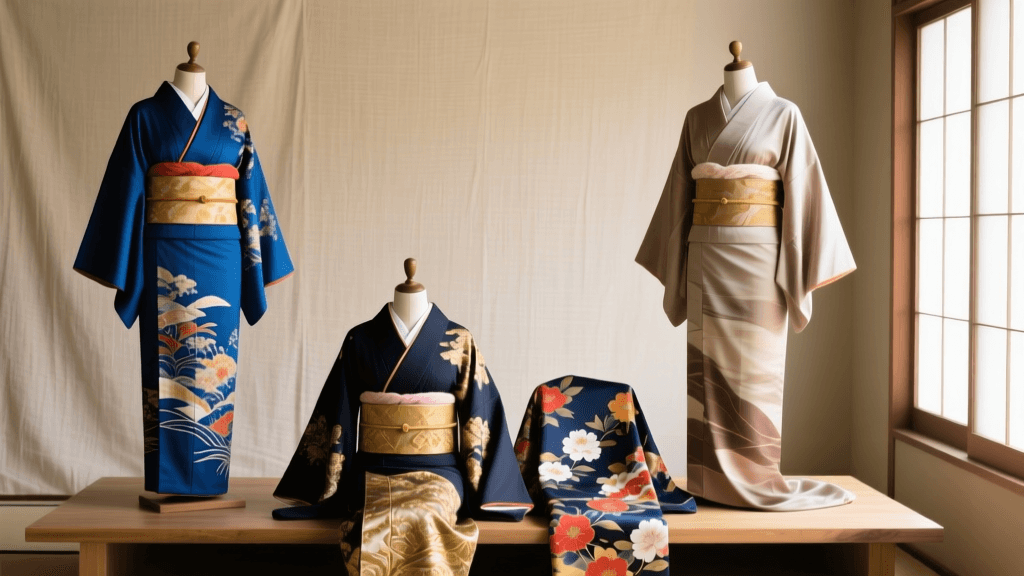
Jibata Loom Weaving: 2026 Guide to Nishijin-ori Silk Traditions
The Enduring Legacy of the Jibata Loom in 2026
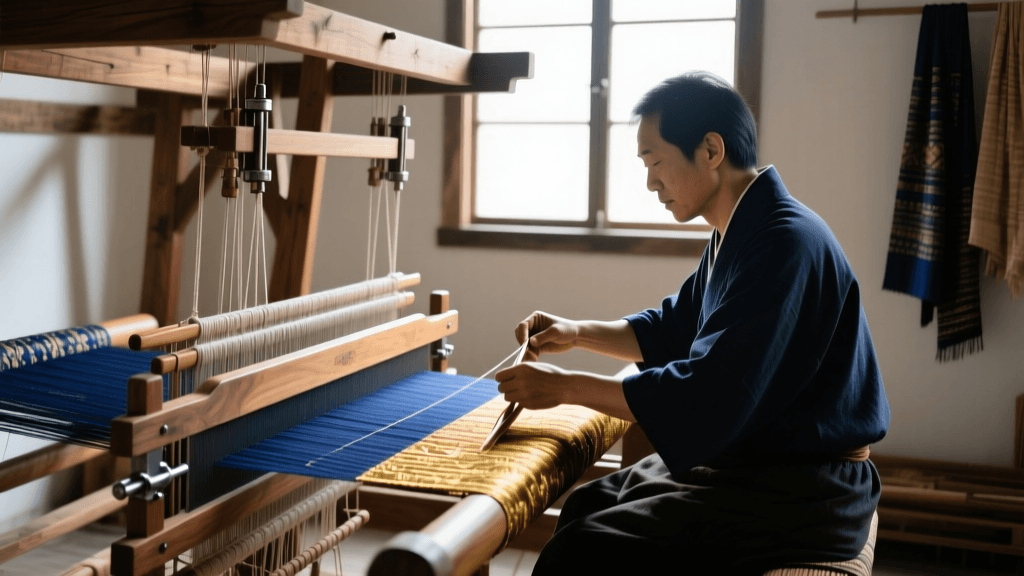
In the quiet, wooden-floored studios of Kyoto’s Nishijin district, the rhythmic clack of the bachi (weaving sword) and the soft glide of the hi (shuttle) continue to define the heartbeat of Japanese textile heritage. At the center of this auditory landscape is the Jibata (地機), the traditional Japanese floor loom. Unlike Western floor looms where the warp tension is controlled entirely by mechanical brakes, the Jibata relies on the weaver’s own body weight to maintain warp tension. This intimate, physical connection between artisan and machine allows for the creation of extraordinarily complex, high-tension silk fabrics like Nishijin-ori brocades and Oshima Tsumugi.
As we navigate through 2026, the preservation of the Jibata loom has reached a fascinating intersection of ancient craftsmanship and subtle modern integration. While the core wooden frames—often crafted from aged zelkova or hinoki cypress and dating back over a century—remain untouched, today’s master weavers are adopting non-invasive environmental controls to protect their silk. The Japan Kogei Association notes that the demand for authentically hand-woven, Jibata-produced textiles has surged in 2026, driven by a global appreciation for slow fashion and tangible cultural heritage Japan Kogei Association.
Anatomy of a Traditional Japanese Floor Loom
To understand the mastery required to weave Nishijin-ori, one must first understand the unique architecture of the Jibata. The loom is built directly into the floor of the weaving room, requiring a sunken pit for the weaver’s legs and treadles.
- Makidoko (Warp Beam): Located behind the weaver, this beam holds the unwoven warp threads. In the Jibata system, the warp is tied to a strap that wraps around the weaver’s lower back (the koshikake), meaning the artisan literally tensions the silk by leaning forward or backward.
- Oso (Reed): A comb-like structure used to beat the weft yarn tightly into place. For heavy brocades, the reed is heavily weighted to ensure a dense, durable fabric.
- Heddles and Harnesses: Traditional Nishijin weaving often utilizes complex Jacquard mechanisms mounted above the loom, or dozens of individual harnesses controlled by a hikibata (drawboy) or, in modern 2026 setups, automated electronic Jacquard heads that preserve the traditional hand-shuttle throwing method.
- Hi (Shuttle): Carved from persimmon wood, the shuttle carries the weft thread. Master weavers in 2026 still prefer hand-polished persimmon shuttles for their optimal glide across high-tension silk warps.
Modern 2026 Studio Integrations
Silk is notoriously sensitive to humidity. In 2026, artisanal studios in Kyoto have integrated IoT (Internet of Things) hygrometers and localized ultrasonic humidifiers directly beneath the Jibata frames. These devices maintain a strict 65% relative humidity, preventing the silk filaments from snapping during the high-tension beating process, without altering the historical integrity of the wooden loom itself.
Comparing Traditional Japanese Looms
While the Jibata is the pinnacle for complex, high-tension silk brocades, it is not the only traditional loom used in Japan. Below is a comparison of the primary hand-looms utilized by artisans today.
| Loom Type | Primary Use | Weaver Posture | Production Speed | 2026 Market Status |
|---|---|---|---|---|
| Jibata (Floor Loom) | Nishijin-ori brocade, Oshima Tsumugi, complex patterned silks. | Sunken pit, seated, body-tensioned warp. | Extremely Slow (1-3 cm per day for complex brocade). | Highly prized; supported by government heritage grants. |
| Takahata (High Loom) | Obi sashes, narrower fabrics, cotton and hemp textiles. | Elevated seat, mechanical brake tension. | Moderate (10-20 cm per day). | Widely used by independent contemporary weavers. |
| Seibata (Power Loom) | Mass-market kimono fabrics, standard linings. | Standing or seated monitor operation. | Fast (Meters per hour). | Dominates commercial market; lacks artisanal prestige. |
| Izari-Bata | Rural folk textiles (Mingei), hemp, ramie. | Seated on floor, legs extended, backstrap tension. | Slow. | Niche revival among rural craft preservationists. |
The Nishijin-ori Weaving Process: Step-by-Step
Nishijin-ori is not merely a fabric; it is a designated traditional craft of Kyoto, representing the zenith of Japanese weaving. According to the Nishijin Textile Center, the creation of a single Jibata-woven Nishijin brocade involves over twenty distinct, highly specialized steps, often requiring the collaboration of multiple artisans before the weaving even begins.
1. Ito-zome (Yarn Dyeing)
Unlike printed fabrics, Nishijin-ori is yarn-dyed. Raw silk threads are boiled to remove sericin, then dyed using either traditional botanical dyes (like indigo, madder, or yamamomo) or advanced 2026 colorfast synthetic equivalents. The dyed threads are then meticulously sorted by shade.
2. Seikei (Warping)
The warp threads are measured and aligned. For a standard kimono bolt, thousands of warp threads must be tensioned perfectly. On a Jibata, this warp is transferred to the makidoko and connected to the weaver’s backstrap.
3. The Weaving (Ori)
This is where the Jibata shines. The weaver depresses the treadles to open the shed (the space between warp threads). Using the bachi, a heavy, boat-shaped wooden sword, the weaver strikes the weft thread with immense force. Because the weaver controls the tension with their core muscles, they can adjust the micro-tension of the warp with every single strike, ensuring that metallic threads (often pure gold or silver leaf wrapped around silk cores) lie perfectly flat on the fabric surface without buckling or breaking.
Where to Study Hand-Weaving in Japan (2026 Programs)
For international and domestic students seeking to master the Jibata in 2026, Kyoto remains the undisputed epicenter of education. However, securing a position requires dedication, as master weavers take on very few apprentices.
- Kyoto City University of Arts (Textile Design Department): Offers a comprehensive 4-year undergraduate and 2-year master’s program. Students gain access to restored antique Jibata looms and learn both digital Jacquard programming and traditional hand-harness weaving. Tuition for international students in 2026 is approximately 535,800 JPY annually.
- Nishijin Textile Center Apprenticeships: The Center facilitates 6-month intensive workshops focused on the fundamentals of the Takahata and introductory Jibata techniques. These are highly competitive, with the Spring 2026 cohort limited to just 12 participants to ensure one-on-one mentorship with living national treasures.
- Rural Mingei Retreats (Tango Peninsula): For those interested in the rustic Izari-bata and hemp weaving, the Tango region offers 3-week immersive residencies. These programs focus on the sensory experience of weaving, from harvesting ramie to spinning and weaving on backstrap looms.
Sourcing Authentic Looms and Silk Yarns Today
Acquiring a genuine Jibata loom in 2026 is a significant undertaking. Because they are built into the architecture of the weaving room, purchasing a Jibata usually means commissioning a master carpenter to replicate the frame using traditional joinery (kigumi). A custom-built, historically accurate Jibata frame crafted from aged Japanese cypress costs between 800,000 and 1,500,000 JPY, excluding the Jacquard head or complex harness systems.
For the Takahata (high loom), which is freestanding and more practical for international shipping and modern home studios, prices range from 250,000 JPY for a refurbished antique to over 600,000 JPY for a newly commissioned piece with brass fittings and precision-milled reeds.
Sourcing Premium Silk
The soul of the Jibata-woven fabric is the silk. In 2026, the most sought-after silk for traditional weaving comes from the Tomioka region in Gunma Prefecture. Artisans can purchase raw mayu (silk cocoons) or pre-spun kiito (raw silk thread) directly from the Gunma Silk Mills cooperative. A standard 500-gram cone of premium, un-degummed 21-denier Tomioka silk thread costs approximately 18,000 JPY. For the metallic threads used in Nishijin brocades, weavers source from specialized Kyoto ateliers that apply 24-karat gold leaf to lacquered washi paper, which is then slit into microscopic ribbons and wrapped around a silk core.
The Sensory and Spiritual Experience of the Loom
Weaving on a Jibata is often described by practitioners as a form of moving meditation, akin to Zen practices. The physical exertion required to tension the warp and beat the weft demands total presence. The rhythmic breathing of the weaver synchronizes with the throwing of the shuttle. In an era dominated by automated manufacturing and digital detachment, the Jibata offers a profound, tactile reconnection to the materials of the earth. The scent of the hinoki wood, the metallic gleam of the gold weft, and the physical resistance of the silk create a multi-sensory experience that no machine can replicate.
Conclusion: Preserving the Thread of History
As of 2026, the Jibata loom is more than a tool for producing luxury textiles; it is a vital vessel for Japanese cultural memory. The integration of modern environmental controls and digital design mapping has not diminished the artisanal value of the hand-woven silk; rather, it has provided the scaffolding necessary for these ancient techniques to survive into the late 21st century. Whether you are a textile historian, a practicing weaver, or an admirer of Asian traditions, understanding the Jibata is essential to comprehending the unparalleled depth of Japanese fabric arts.