Japanese Jibata Loom Weaving: Traditional Kasuri Techniques 2026
The Renaissance of the Jibata Loom in 2026
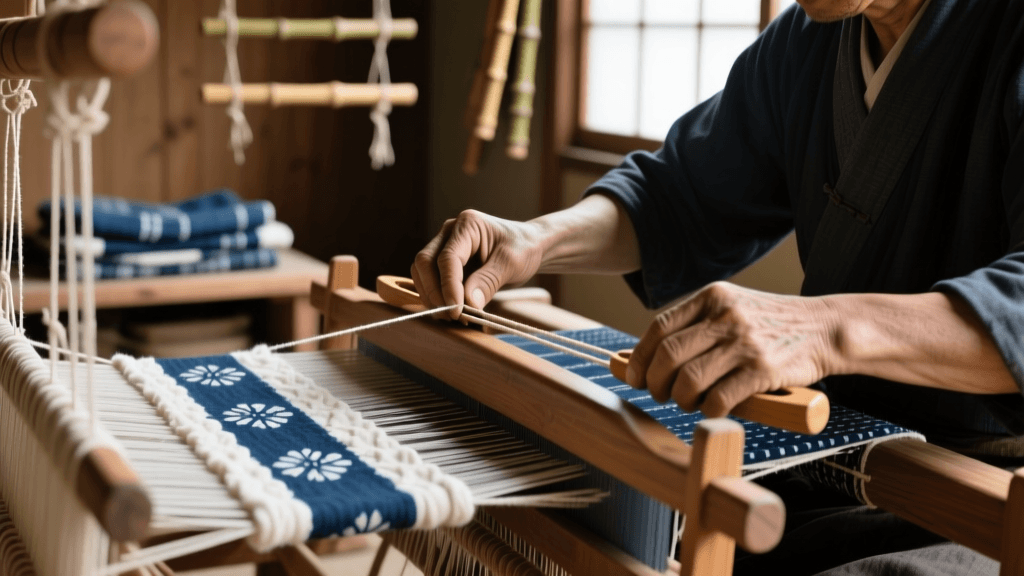
In 2026, the global slow fashion movement has catalyzed a profound renaissance in traditional textile arts, placing the Japanese Jibata (handloom) at the forefront of artisanal weaving. As designers and consumers increasingly reject mass-produced, synthetic garments, the meticulous, meditative practice of Japanese hand-weaving has seen a surge in international and domestic interest. The Jibata is not merely a tool; it is an extension of the weaver’s body, requiring a harmonious rhythm of physical movement and deep concentration. This comprehensive guide explores the anatomy of the traditional Japanese loom, the intricate methods of Kasuri (ikat) and Tsumugi (pongee) weaving, and how modern artisans are sourcing materials and preserving these ancient techniques in the current landscape of 2026.
Anatomy of the Traditional Japanese Handloom
Unlike the heavy, rigid floor looms common in Western weaving traditions, the traditional Japanese Jibata is characterized by its relatively low profile, modular wooden construction, and unique tensioning system. Historically crafted from resilient hardwoods like Zelkova (Keyaki) or lightweight Paulownia (Kiri), the loom is designed to be dismantled and stored when not in use, a practical necessity in traditional Japanese architecture.
Essential Components of the Jibata
- Osa (Reed): The comb-like structure that beats the weft yarn into place. In 2026, master craftsmen in Kyoto still hand-carve bamboo reeds, though precision laser-cut metal reeds are increasingly used for ultra-fine silk threads to ensure uniform tension.
- Hi (Shuttle): The boat-shaped vessel that carries the weft thread (yoko-ito) through the shed. Traditional Jibata shuttles are elongated and polished with natural camellia oil to glide effortlessly across the warp.
- Soko (Heddles): The mechanism that separates the warp threads to create the shed. Traditional Jibata looms utilize hand-tied cotton or silk heddles, which are gentler on delicate, hand-spun yarns than modern metal wire heddles.
- Hata-obi (Tension Belt): The defining feature of the Jibata is its backstrap tensioning system. The weaver wears a wide, padded belt connected to the cloth beam, using their own body weight and posture to maintain precise warp tension. This allows for micro-adjustments that mechanical brakes cannot replicate.
Kasuri and Tsumugi: Core Hand-Weaving Methods
The true magic of Japanese weaving lies not just in the loom, but in the preparation of the yarn. Two of the most revered techniques that define Japanese textile heritage are Kasuri and Tsumugi.
The Intricacies of Kasuri (Ikat)
Kasuri involves resist-dyeing the warp and/or weft threads before they are mounted on the loom. Artisans bind specific sections of the yarn bundle with tight cotton thread to prevent dye penetration. When woven, these dyed and undyed sections align to create blurred, geometric, or pictorial patterns. In 2026, the Kurume and Bingo regions remain the epicenters of cotton Kasuri. Modern artisans are combining ancestral tie-dyeing methods with newly developed, eco-friendly botanical mordants, ensuring that the vibrant indigo (sukumo) and persimmon tannin (kakishibu) dyes meet contemporary environmental standards without sacrificing historical accuracy.
The Elegance of Tsumugi (Pongee)
Tsumugi refers to textiles woven from silk noil—the short, leftover fibers from the silk reeling process. Rather than discarding these fibers, Japanese artisans hand-spin them into a yarn that possesses a unique, slubby texture and a profound, matte luster. The most famous iteration, Yuki Tsumugi, is a masterpiece of human patience. According to the UNESCO Intangible Cultural Heritage registry, the creation of Yuki Tsumugi involves over forty distinct manual steps, from hand-pulling the silk floss to weaving it on a specialized backstrap loom called a Jibata. The resulting fabric is incredibly lightweight, warm, and molds to the wearer's body over time.
Sourcing Looms and Materials in 2026
For weaving enthusiasts and professionals looking to acquire a Jibata or upgrade their studio equipment in 2026, the market has shifted. Antique looms from the Meiji and Taisho eras are highly sought after, but require meticulous restoration. Newly commissioned looms from master woodworkers offer modern ergonomic adjustments while maintaining traditional joinery.
| Loom Type | Primary Use | 2026 Avg. Cost (USD) | Footprint |
|---|---|---|---|
| Antique Jibata (Restored) | Kasuri, Tsumugi, Cotton | $2,500 - $5,500 | 2.0m x 1.5m |
| Custom-Built Jibata | High-end Silk, Bespoke | $6,000 - $12,000 | 2.2m x 1.6m |
| Takahata (Treadle Loom) | Complex Brocades, Nishijin | $4,500 - $9,500 | 2.5m x 2.0m |
| Modern Table Loom (Japanese Style) | Sampling, Scarves, Obijime | $800 - $1,800 | 0.8m x 0.6m |
When sourcing materials, the standard width for a Japanese kimono bolt (tanmono) is approximately 36 centimeters (14 inches). Weavers must ensure their loom's reed and heddle capacity can accommodate the high thread count required for fine silk Tsumugi, which often exceeds 40 ends per centimeter.
Step-by-Step: The Hand-Weaving Process
Operating a Jibata requires a full-body engagement. The process of weaving a single tanmono can take anywhere from two weeks to several months, depending on the complexity of the pattern and the fineness of the yarn.
- Seikei (Warping): The warp threads are measured and aligned. For Kasuri, this step is critical; the dyed patterns on the warp must be perfectly aligned with the anticipated weft intersections.
- Soko-toshi (Threading the Heddles and Reed): Each individual warp thread is passed through the eye of a heddle and the dent of the reed. This painstaking process dictates the weaving draft and the structural integrity of the cloth.
- Hata-kake (Dressing the Loom): The warp is transferred to the loom's back beam. The weaver secures the front of the warp to their hata-obi (tension belt).
- Ori (Weaving): The weaver steps on the treadles (or uses hand levers on a pure Jibata) to open the shed. The shuttle is thrown with a flick of the wrist, caught on the other side, and the osa (reed) is pulled forward with a firm, rhythmic motion to beat the weft into place. The weaver leans back to adjust tension, creating a continuous, flowing dance.
'The Jibata does not weave the cloth; the weaver's breath and spine weave the cloth. The loom is simply the frame that holds the tension of the artisan's spirit.' — Master Weaver Hiroshi Sato, Kyoto Textile Guild, 2026.
Preservation, Sustainability, and the Future
The survival of Japanese hand-weaving methods relies heavily on institutional support and a new generation of eco-conscious weavers. As highlighted by the Metropolitan Museum of Art's Heilbrunn Timeline of Art History, Japanese textiles have long been recognized for their technical brilliance and profound aesthetic philosophy, blending utility with spiritual reverence for natural materials.
In 2026, the Japanese Agency for Cultural Affairs has expanded its stipend programs for textile apprenticeships, specifically targeting the preservation of natural dye cultivation and Jibata loom carpentry. Furthermore, international weaving guilds are hosting hybrid workshops, allowing global artisans to study the biomechanics of the backstrap tensioning system via advanced haptic-feedback VR simulations before traveling to rural weaving villages in Okinawa and Niigata for in-person residencies.
For the modern textile artist, mastering the Jibata and the methods of Kasuri and Tsumugi is more than an exercise in historical reenactment. It is a commitment to sustainable, mindful creation. The resulting garments—imbued with the irregularities of hand-spun silk, the deep, living blues of fermented indigo, and the subtle rhythm of the weaver’s heartbeat—stand as a testament to the enduring power of Asian textile traditions in an increasingly automated world.