Guide to Japan's Top Kimono Museums and Heritage Sites
The Living Tapestry of Japanese Textile History
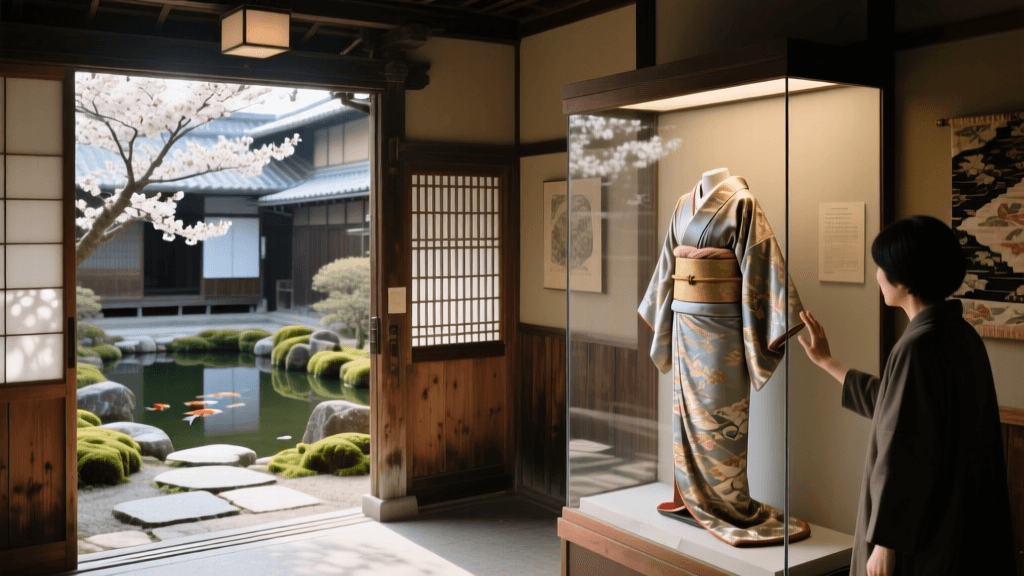
Japan’s sartorial heritage is a living tapestry woven with centuries of artistic innovation, social evolution, and meticulous craftsmanship. While the modern kimono is often reserved for festivals, tea ceremonies, and coming-of-age celebrations, the historical garments that preceded it—most notably the kosode—tell a vibrant story of Japanese aesthetic philosophy. From the opulent gold-leaf embroidery of the Momoyama period to the subtle, understated elegance of the Edo period merchant class, traditional Japanese garments are masterpieces of textile engineering.
For serious students of Asian traditions, fashion historians, and culturally curious travelers, experiencing these garments in person is a profound endeavor. Japan houses several world-class institutions dedicated to the preservation, study, and exhibition of traditional dress. This guide explores the premier kimono museums and heritage sites across Japan, offering practical advice, admission details, and insider tips for planning your ultimate textile pilgrimage.
Premier Kimono and Textile Museums
Kyoto National Museum (Kyoto)
While not exclusively a fashion museum, the Kyoto National Museum holds one of the most significant collections of historical Japanese textiles in the world. The museum’s Heisei Chishinkan wing, designed by renowned architect Yoshio Taniguchi, provides a stunning, climate-controlled backdrop for rotating exhibitions of National Treasures and Important Cultural Properties. Visitors can frequently find exquisite examples of tsujigahana (a complex tie-dye and ink-drawing technique popular in the 16th century) and nuihaku (garments combining embroidery with gold and silver foil). The museum excels at contextualizing the kosode—the small-sleeved predecessor to the modern kimono—within the broader scope of Japanese art and samurai culture.
Bunka Gakuen Costume Museum (Tokyo)
Located near the bustling Shinjuku district, the Bunka Gakuen Costume Museum is a hidden gem operated by one of Asia’s most prestigious fashion schools. Unlike historical art museums, Bunka Gakuen approaches the kimono from an academic and structural perspective. Their exhibitions often juxtapose traditional Japanese garments with global historical dress, highlighting the cross-pollination of textile techniques. The museum is particularly famous for its deep dives into specific dyeing methods, such as yuzen (resist dyeing) and shibori (intricate tie-dyeing). It is an essential stop for those interested in the actual construction, pattern-making, and material science behind traditional Asian garments.
National Museum of Japanese History (Chiba)
Commonly known as Rekihaku, the National Museum of Japanese History is located in Sakura City, Chiba Prefecture. While it requires a short train ride from central Tokyo, the journey is vastly rewarded by Gallery 3, which covers the pre-modern era. Rekihaku possesses an astonishing archive of Edo-period garments that showcase the rise of the iki aesthetic—a sophisticated, understated style favored by wealthy merchants who were legally restricted from wearing overtly flashy clothing. Here, you will find masterclasses in subtle luxury, such as intricate linings, hidden crests, and complex woven brocades that speak volumes about historical Japanese subcultures.
Heritage Sites and Artisan Centers
Nishijin Textile Center (Kyoto)
To understand the kimono, one must understand the silk that forms its canvas. The Nishijin Textile Center in Kyoto is both a museum and a functioning hub for the city’s legendary weaving district. Nishijin-ori (Nishijin brocade) is characterized by its rich, heavy textures and elaborate patterns, often woven with metallic threads. The center offers free admission and features daily kimono fashion shows that demonstrate how different garments are layered and tied. More importantly, visitors can observe master weavers operating traditional sorabiki (hand-pulled) looms, providing a visceral understanding of the labor required to produce a single obi sash.
Comparative Guide to Textile Institutions
When planning your itinerary, it is helpful to compare the focus, location, and costs of these premier institutions. The table below outlines the essential data for the modern textile tourist.
| Institution | Location | Standard Admission | Nearest Transit Hub | Primary Textile Focus |
|---|---|---|---|---|
| Kyoto National Museum | Kyoto | 1,000 JPY | Shichijo Station (Keihan Line) | Historical Kosode, Samurai Armor Textiles |
| Bunka Gakuen Costume Museum | Tokyo (Shibuya) | 500 JPY | Shinjuku Station (South Exit) | Garment Construction, Global Comparisons |
| Rekihaku (Gallery 3) | Sakura, Chiba | 1,000 JPY | Sakura Station (JR/Keisei) + Bus | Edo-period Merchant Class, Iki Aesthetic |
| Nishijin Textile Center | Kyoto (Kamigyo) | Free | Imadegawa Station (Subway) + Bus | Nishijin Brocade, Weaving Techniques |
Practical Advice for the Textile Pilgrim
Navigating Conservation and Rotation Schedules
The most critical piece of advice for anyone visiting Japanese textile exhibitions is understanding the strict conservation protocols surrounding silk. Silk is an organic protein fiber that is highly susceptible to photo-degradation and structural fatigue from gravity. Consequently, Japanese museums rarely display fragile historical garments for more than three to four weeks at a time.
"Textile conservation is a race against light. A masterpiece of Momoyama-era kosode may only endure 50 hours of cumulative gallery illumination before being returned to the archives for a decade of rest."
Therefore, if you are traveling to Japan specifically to view a famous National Treasure kimono, you must check the museum’s online exhibition schedule in advance. Arriving in the middle of a three-month exhibition run often means the most famous pieces have already been rotated out and replaced with secondary artifacts to preserve their integrity.
Photography and Gallery Etiquette
Photography rules in Japanese museums are stringent, particularly regarding textiles. Flash photography is universally banned, as the intense burst of light accelerates the fading of natural dyes like indigo, safflower red, and purple root. In many special exhibition rooms, photography is prohibited entirely to protect the intellectual property of private lenders and to maintain a serene viewing environment. Always look for the camera icon at the entrance of each gallery room. When viewing the garments, maintain a respectful distance; the oils and moisture from human breath and skin can degrade antique fibers over time.
Timing Your Visit and Combining Experiences
To avoid crowds and secure the best lighting for viewing the subtle sheen of silk brocades, plan your museum visits for Tuesday or Wednesday mornings, right at opening time. Avoid national holidays and the peak cherry blossom (late March to early April) or autumn foliage (late November) seasons, as domestic tourism surges and museum spaces become congested.
Finally, pair your museum visits with local artisan workshops. After viewing historical Nishijin brocades at the museum, book a private weaving or yuzen dyeing workshop in Kyoto’s Higashiyama district. Touching the raw silk, smelling the resist-dye pastes, and pulling the wooden loom battens will transform your academic understanding of the kimono into a deeply tactile, unforgettable cultural experience.