Women's Kimono Types & Formality Guide 2026: Full Rules
The Enduring Elegance of the Kimono in 2026
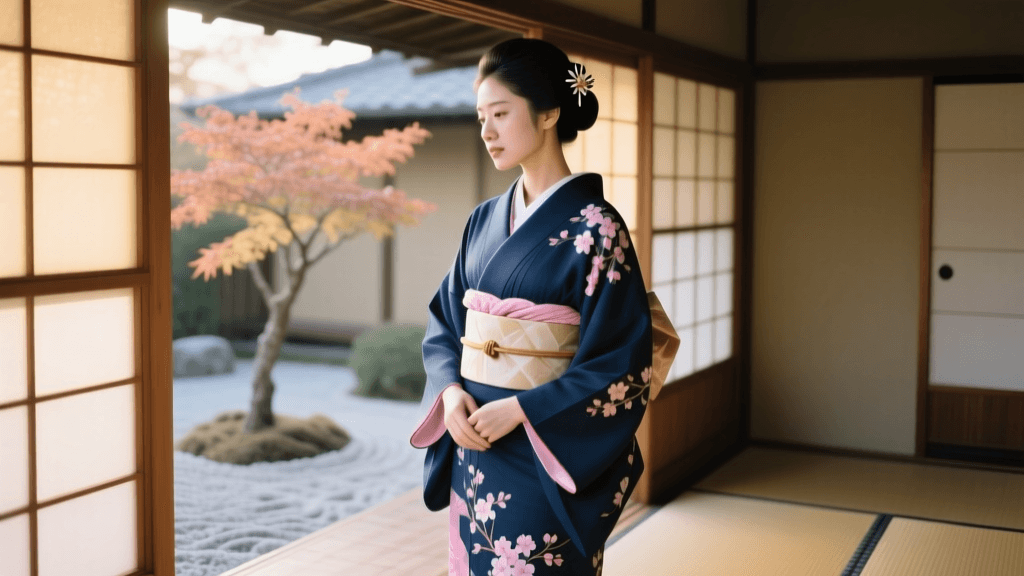
The Japanese kimono is far more than a simple garment; it is a profound expression of cultural heritage, seasonal awareness, and social etiquette. As we navigate the fashion landscape of 2026, the kimono remains a vital part of Japanese life, worn during coming-of-age ceremonies, weddings, tea ceremonies, and summer festivals. While modern styling has introduced sustainable vintage silks and contemporary obi knots, the foundational rules of kimono formality remain strictly observed. Understanding these rules is essential for anyone looking to purchase, rent, or wear traditional Japanese garments with respect and authenticity.
According to the Metropolitan Museum of Art's Heilbrunn Timeline of Art History, the kimono evolved from the kosode of the Edo period into the highly codified garment we recognize today. In 2026, the global appreciation for these garments has surged, driven by a renewed interest in artisanal textiles and slow fashion. However, wearing a kimono requires navigating a complex hierarchy of formality based on the wearer's marital status, the season, and the specific event.
Understanding the TPO Principle
In Japanese fashion, the TPO principle—Time, Place, and Occasion—dictates every sartorial choice. A garment that is perfectly appropriate for a summer fireworks festival would be considered highly disrespectful at a formal wedding reception. The formality of a kimono is determined by several factors: the fabric type (silk vs. cotton vs. synthetic), the dyeing technique (woven patterns vs. dyed motifs), the placement and number of family crests (kamon), and the accompanying accessories. As noted by the Victoria and Albert Museum, the placement of motifs and the quality of the silk are historical indicators of status that still govern modern kimono etiquette.
The Hierarchy of Formal Women's Kimono
Formal kimono are exclusively made from high-quality silk and feature intricate, hand-painted, or woven designs. They are broadly divided into categories for married and unmarried women.
Kurotomesode (Black Formal)
The kurotomesode is the most formal kimono for married women. It is characterized by a solid black base with elegant patterns located only below the waist (eba design). It always features five family crests (itsutsu-mon) placed on the back, chest, and sleeves. In 2026, this garment is predominantly worn by the mothers of the bride and groom at traditional Shinto wedding ceremonies. It is paired with a gold or silver fukuro obi and pristine white accessories.
Irotomesode (Colored Formal)
Similar in cut and pattern placement to the kurotomesode, the irotomesode features a colored base rather than black. It can have one, three, or five crests. This garment is appropriate for married women attending highly formal events where black might be deemed too somber, such as celebratory banquets or imperial garden parties. Pastel shades like soft celadon and pale lavender are highly sought after in the 2026 rental market.
Furisode (Swinging Sleeves)
The furisode is the highest level of formal wear for unmarried women. Its defining feature is the exceptionally long, swinging sleeves, which historically signaled a woman's availability for marriage. Today, it is the standard garment for Seijin no Hi (Coming of Age Day) and is worn by unmarried female relatives at weddings. The vibrant, all-over patterns and luxurious silk brocade obis make the furisode one of the most expensive garments to purchase or rent.
Semi-Formal and Visiting Wear
Semi-formal kimono offer more versatility and can be worn by both married and unmarried women, depending on the styling and crests.
Houmongi (Visiting Wear)
The houmongi is a highly versatile semi-formal kimono characterized by an eba pattern that flows continuously across the seams, creating a unified picture when the garment is laid flat. It is the go-to choice for attending tea ceremonies, visiting shrines for the New Year, or attending formal parties. A houmongi with one or three crests elevates its formality, making it suitable for wedding receptions as a guest.
Tsukesage
Slightly less formal than the houmongi, the tsukesage features patterns that are dyed onto the fabric before it is cut, meaning the motifs do not cross the seams. The designs are generally contained within specific panels and do not form a continuous landscape. It is perfect for refined dining, cultural classes, and semi-formal gatherings.
Informal and Everyday Garments
Komon and Yukata
For everyday wear, the komon features small, repeating patterns across the entire fabric. It is worn for casual outings, shopping, or informal dinners. The yukata, originally a cotton bathrobe, has evolved into the standard summer festival wear. According to guides on traditional dress from Japan Experience, the yukata is the most accessible entry point for foreigners and locals alike in 2026, requiring fewer undergarments and a simpler, casual obi knot.
2026 Formality and Pricing Comparison Chart
| Kimono Type | Target Demographic | Formality Level | Best 2026 Occasions | Est. Rental Cost (JPY) |
|---|---|---|---|---|
| Kurotomesode | Married Women | Highest Formal | Weddings (Mother of Bride) | ¥40,000 - ¥70,000 |
| Furisode | Unmarried Women | Highest Formal | Coming of Age Day, Weddings | ¥60,000 - ¥120,000 |
| Houmongi | All Women | Semi-Formal | Tea Ceremonies, Galas | ¥20,000 - ¥45,000 |
| Tsukesage | All Women | Semi-Formal | Theater, Formal Dining | ¥15,000 - ¥30,000 |
| Komon | All Women | Informal | Shopping, Casual Outings | ¥5,000 - ¥12,000 |
| Yukata | All Women | Casual / Summer | Matsuri, Fireworks Festivals | ¥3,000 - ¥8,000 |
Essential Accessories and Layering for 2026
A kimono is never worn directly against the skin. The layering process is an art form that ensures the garment's longevity and the wearer's comfort.
- Nagajuban: The under-kimono, usually made of silk or breathable synthetic blends, protects the outer garment from sweat and oils. The collar of the nagajuban (han-eri) is visible at the neckline and is often swapped out to match the season.
- Obi: The sash that secures the kimono. Formal wear requires a fukuro obi (a long, wide, heavily brocaded sash), while semi-formal and informal wear utilize the nagoya obi, which is pre-folded and easier to tie. In 2026, minimalist, geometric nagoya obis are trending among younger demographics pairing them with vintage komon.
- Obijime and Obidome: The decorative cord (obijime) tied over the obi, often secured with a small ornamental clasp (obidome). These small accessories are where wearers inject personal flair and seasonal motifs, such as glass beads in summer or velvet in winter.
- Zori and Tabi: Formal kimono require split-toe socks (tabi) and woven or brocade sandals (zori). For yukata, wooden clogs (geta) are the standard footwear.
The 2026 Kimono Market: Renting, Buying, and Upcycling
The landscape of acquiring kimono has shifted dramatically by 2026. While purchasing a brand-new, custom-tailored silk furisode can easily exceed ¥500,000 (approx. $3,300 USD), the modern consumer has a wealth of alternative options.
The Vintage and Upcycling Boom
Sustainability is a major driver in the 2026 fashion industry, and the kimono market is no exception. Neighborhoods in Tokyo like Shimokitazawa and Kyoto's Tenjin-san flea market are hubs for vintage silk kimono. Many young Japanese women are purchasing high-quality Showa-era (1926-1989) houmongi and komon for a fraction of the retail price. Furthermore, upcycling damaged silk kimono into modern garments, tote bags, or hair accessories has become a thriving cottage industry, preserving the textile heritage while adapting to modern lifestyles.
Rental Services and Tech Integration
For tourists and locals attending one-off events, rental services remain the most practical choice. In 2026, many rental shops in Kyoto and Asakusa utilize AI-driven virtual fitting mirrors, allowing customers to visualize how different obi colors and collar angles will look with their chosen garment before a dresser assists them. Full-service rentals, which include dressing, hair styling, and a day-long rental, typically range from ¥15,000 to ¥35,000 for semi-formal wear.
"The kimono is not a relic of the past; it is a living canvas. Every time a woman ties her obi in 2026, she is participating in an unbroken lineage of artistry, adapting centuries of tradition to the rhythm of modern life."
Final Thoughts on Navigating Formality
Whether you are attending a prestigious tea ceremony in Uji or simply enjoying a summer evening in a cotton yukata, respecting the formality tiers of the kimono demonstrates a deep appreciation for Japanese culture. By understanding the distinctions between the swinging sleeves of the furisode, the continuous landscapes of the houmongi, and the casual charm of the komon, you can confidently navigate the rich, textile-draped world of Japanese traditions in 2026 and beyond.