Japanese Garments Guide 2026: Kimono, Yukata & Hakama Tips
The Enduring Evolution of Japanese Garments in 2026
The landscape of traditional Japanese clothing, collectively known as wafuku, has undergone a remarkable renaissance by 2026. No longer confined to strict ceremonial obligations or relegated to tourist rental shops in Kyoto, Japanese garments are experiencing a global surge in mindful consumption, vintage upcycling, and artisanal appreciation. Whether you are a collector seeking a pre-war silk masterpiece, a martial artist requiring a durable hakama, or a fashion enthusiast looking to integrate a summer yukata into your modern wardrobe, understanding the nuances of these garments is essential.
In this comprehensive 2026 guide, we break down the anatomy, market pricing, and styling rules of Japan's most iconic garments. As noted by the Victoria and Albert Museum's extensive textile archives, the kimono is not merely a garment but a canvas of cultural expression, reflecting centuries of weaving, dyeing, and embroidery techniques that continue to evolve today.
1. The Kimono: Formality, Silk, and Structure
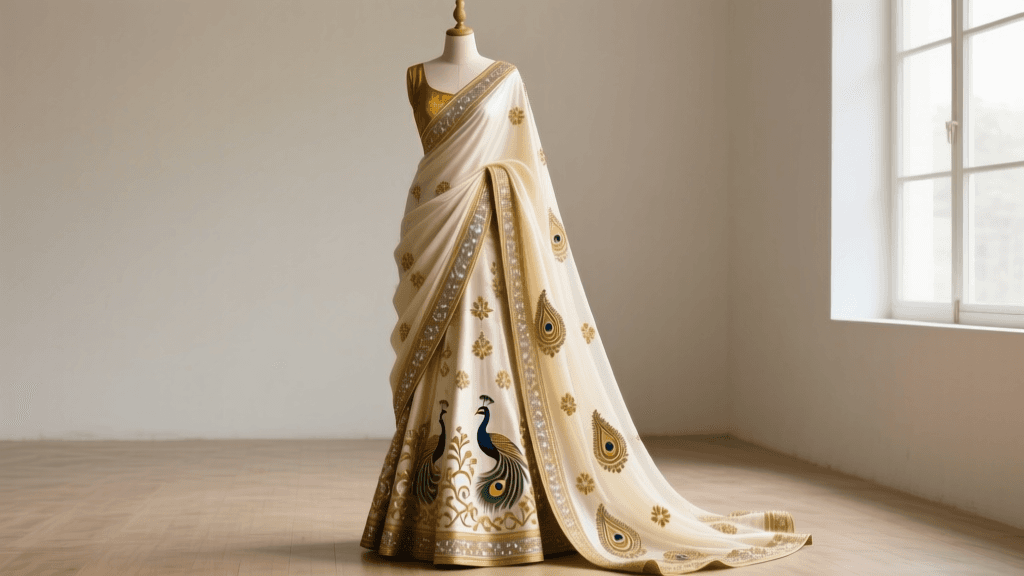
The word 'kimono' literally translates to 'thing to wear,' but in modern parlance, it refers specifically to the T-shaped, straight-lined robe worn wrapped left over right and secured with an obi sash. In 2026, the market is heavily driven by sustainable fashion, with vintage silk kimono being repurposed or worn as statement outerwear.
Key Types of Kimono
- Komon (Everyday Wear): Features a repeating pattern across the entire garment. Ideal for casual outings, theater visits, or dining. Vintage komon from the mid-20th century are highly sought after in 2026, typically ranging from $60 to $200 USD.
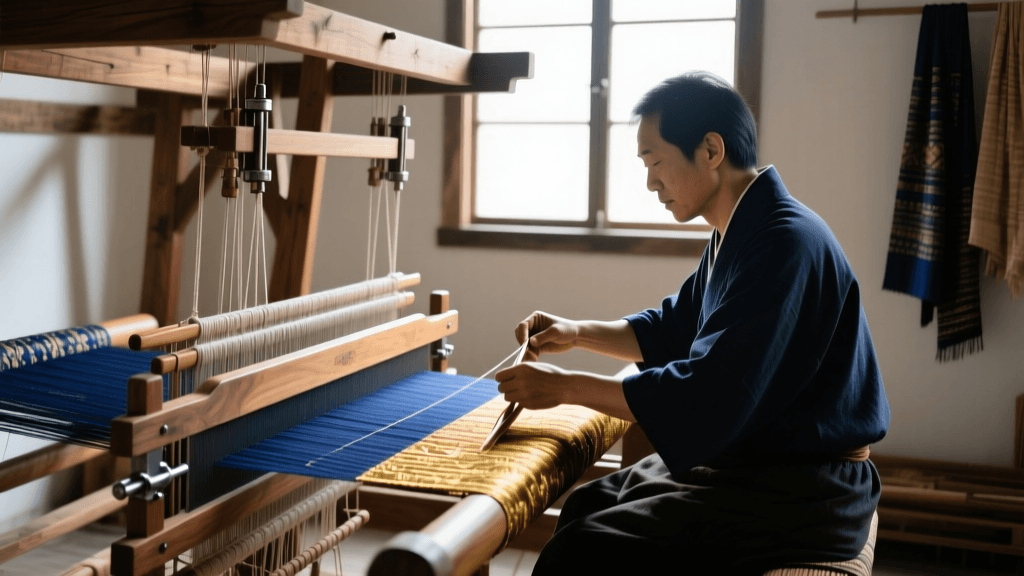
- Homongi (Visiting Wear): A formal kimono characterized by patterns that flow continuously across the seams (eba-moyo). Worn for tea ceremonies, weddings, and formal parties. A newly tailored, bespoke silk Homongi in 2026 averages between $3,500 and $8,000 USD, reflecting the intense labor of Nishijin weavers and Yuzen dyers.
- Furisode (Swinging Sleeves): The most formal kimono for unmarried women, distinguished by sleeves that can hang down up to 114 centimeters. It is the standard attire for Coming of Age Day (Seijin no Hi) and is frequently rented due to its high cost and single-use nature.
2. The Yukata: Summer Festivals and Breathable Cottons
The yukata is the kimono's relaxed, unlined cousin, traditionally made of cotton or hemp. Originally worn as a bathrobe by nobility, it evolved into the standard summer festival garment. In 2026, the yukata market has bifurcated into mass-produced synthetic blends and premium artisanal cottons.
While fast-fashion retailers offer polyester yukata sets for under $40 USD, discerning buyers are investing in aizome (natural indigo-dyed) and shibori (tie-dye) cotton yukata. These premium pieces, often sourced directly from weaving cooperatives in regions like Kurume or Ojiya, cost between $250 and $600 USD. They offer superior breathability and develop a beautiful patina over time. Unlike the kimono, the yukata is worn with a simpler, narrower obi (such as a hanhaba obi) and traditional wooden geta sandals, usually without the need for split-toe tabi socks.
3. The Hakama: Pleated Tradition for Graduations and Martial Arts
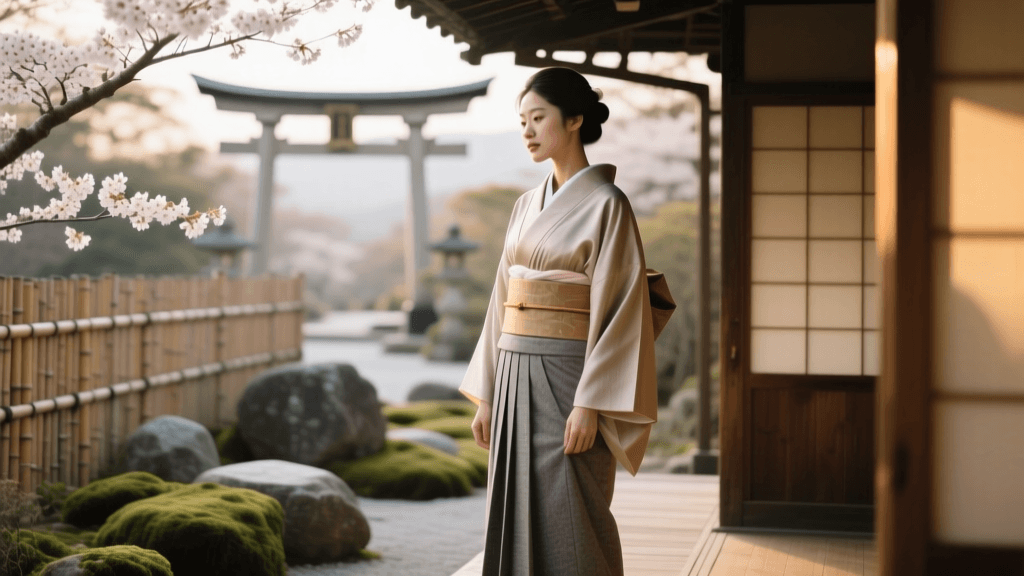
The hakama is a pleated, wide-legged garment worn over a kimono. Historically worn by samurai to protect their legs while riding horses, it is now standard attire for university graduations, Shinto priests, and martial artists (in kendo, aikido, and kyudo).
There are two main types: the umate (divided, resembling wide trousers) and the andon (undivided, resembling a long skirt). The traditional hakama features seven deep pleats, symbolizing the seven virtues of Bushido (the samurai code). In 2026, modern textile innovations have introduced stain-resistant, machine-washable synthetic hakama for martial artists, priced around $80 to $150 USD, while formal silk hakama for women's graduation ceremonies remain a popular rental choice, often paired with a furisode or a refined komon.
Garment Comparison Chart: 2026 Market Overview
| Garment | Primary Fabric | Formality Level | Avg. 2026 Retail Cost (USD) | Standard Footwear |
|---|---|---|---|---|
| Yukata | Cotton, Hemp, Linen | Casual / Summer Festival | $40 - $400 | Geta (barefoot or tabi) |
| Komon | Silk, Wool, Polyester | Smart Casual / Everyday | $80 - $500 (Vintage/New) | Zori or Geta with Tabi |
| Homongi | High-Grade Silk | Formal / Ceremonial | $3,500 - $8,000+ | Formal Zori with Tabi |
| Hakama | Silk, Synthetic Blends | Graduation / Martial Arts | $80 - $600 | Zori (Women) / Barefoot (Dojo) |
Mastering Measurements: How to Size Wafuku
Unlike Western clothing, Japanese garments are not sized by rigid numbers (S, M, L) but by specific body measurements. The beauty of wafuku is its adjustability, but getting the baseline measurements right is crucial for a proper silhouette.
The Two Critical Measurements
- Mitake (Length): This is the back length of the garment from the base of the collar to the hem. For a standard kimono, the ideal mitake is calculated by taking your height and multiplying it by roughly 0.6. Any excess length is folded at the waist to create the ohashori (the waist fold), which is a mandatory aesthetic and functional element for women's kimono.
- Yuki (Sleeve Span): Measured from the center of the back of the neck, across the shoulder, and down to the wrist bone. A proper yuki ensures the sleeve drape falls elegantly without exposing too much of the forearm or swallowing the hands entirely.
According to the Japanese Ministry of Economy, Trade and Industry (METI), traditional craft regions are increasingly offering custom-tailoring services for international buyers, utilizing digital 3D body scanning to ensure precise yuki and mitake measurements before weaving even begins.
The 2026 Obi Market: Tying the Look Together
The obi is the sash that secures the kimono, and it is often more expensive than the garment itself. In 2026, collectors are highly focused on Fukuro obi (formal, brocaded sashes) and Hanhaba obi (half-width, casual sashes).
A major trend this year is the use of upcycled antique obi as table runners, wall art, or even tailored into modern jackets. However, for wearing, a vintage Fukuro obi in good condition (free of creases and gold-thread tarnishing) can cost anywhere from $150 to $1,200 USD. Tying a formal obi requires specialized knots (musubi), such as the taiko musubi (drum knot), which utilizes internal accessories like the obi-ita (stiffening board) and obi-makura (pillow) to maintain its architectural shape throughout the day.
Footwear and Accessories: Completing the Silhouette
No traditional Japanese outfit is complete without the proper accessories. In 2026, ergonomic advancements have made traditional footwear more accessible for all-day wear.
- Tabi Socks: The iconic split-toe socks are mandatory for formal kimono and zori sandals. Modern 2026 iterations feature memory-foam insoles and stretch-blend fabrics for enhanced comfort during long ceremonies.
- Zori: Flat, thonged sandals made of woven rush, vinyl, or brocade. Formal zori for women often feature a slight heel elevation and are paired exclusively with white tabi.
- Geta: Wooden sandals with elevated 'teeth.' They are worn with yukata and produce a distinctive clicking sound. In 2026, lightweight paulownia wood and rubber-cushioned thongs have vastly reduced the foot fatigue historically associated with geta.
- Obijime and Obidome: The decorative cord (obijime) and clasp (obidome) that secure the obi knot. Artisans are currently experimenting with 3D-printed resin and recycled glass to create obidome that reflect contemporary aesthetics while respecting traditional forms.
'Wearing wafuku is not about restricting the body; it is about learning how to move with intention. The garment teaches you posture, grace, and a deep respect for the space you occupy.' — Master Kitsuke Instructor, Kyoto, 2026.
Care and Maintenance for the Modern Collector
Silk kimono require meticulous care. The traditional method of maru-arai (a specialized dry cleaning process using petroleum-based solvents) remains the gold standard in Japan, costing about $80 to $120 USD per garment. For international owners, finding a certified wafuku cleaner is vital, as standard Western dry cleaning can dissolve the metallic threads and ruin the silk's luster.
Between cleanings, garments should be aired out in a shaded, well-ventilated area and stored flat, wrapped in acid-free tatoushi paper. Avoid plastic bags, which trap moisture and lead to mold—a devastating issue for vintage textiles. With proper care, a high-quality Japanese garment will easily outlast its owner, ready to be passed down as a cherished heirloom in 2026 and beyond.