Japanese Wedding Kimono: Shiromuku, Uchikake & Costs
The Timeless Elegance of Japanese Bridal Wear
When planning a traditional Shinto wedding in Japan, the bridal attire is not merely a fashion choice; it is a profound cultural statement steeped in centuries of history, symbolism, and meticulous craftsmanship. The Japanese wedding kimono represents the pinnacle of textile artistry, featuring intricate weaving, hand-painted motifs, and lavish embroidery. For modern brides, navigating the world of ceremonial Japanese clothing can be overwhelming due to the strict rules of kitsuke (the art of kimono dressing) and the significant financial investment required. This comprehensive guide explores the most iconic ceremonial garments, including the shiromuku, uchikake, and iro-uchikake, while providing actionable advice on costs, timelines, and the physical realities of wearing these magnificent ensembles.
Shiromuku: The Pinnacle of Purity
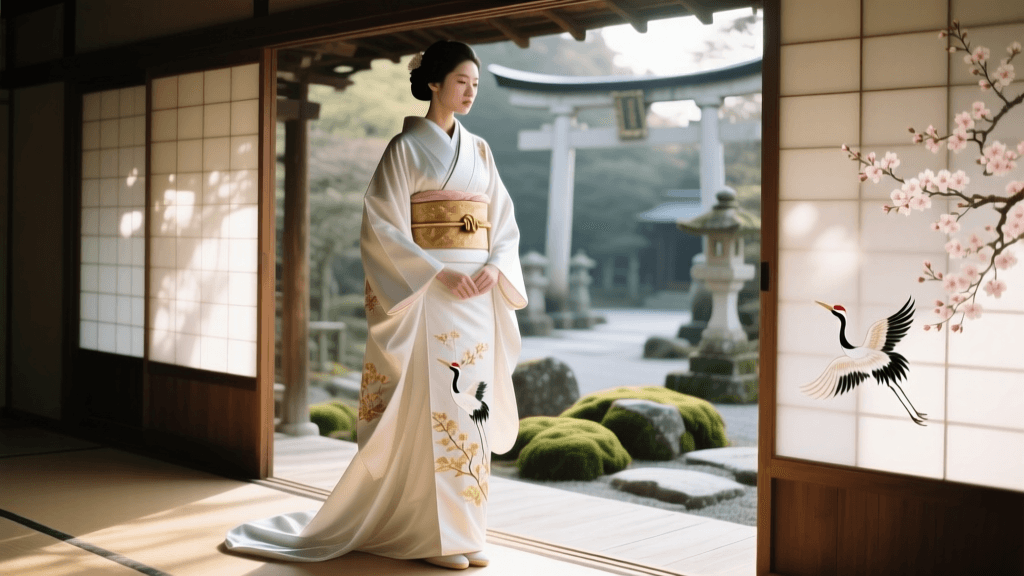
The shiromuku is the most formal and traditional wedding kimono, worn exclusively during the Shinto marriage ceremony. Translating literally to pure white, this ensemble consists of a white kimono, a white obi, and white undergarments. In Shinto belief, white is the color of the gods, symbolizing absolute purity, sacredness, and a clean slate. By wearing the shiromuku, the bride signifies her willingness to be dyed in the colors of her new family, embracing her new life with humility and grace.
The shiromuku is typically paired with a wataboshi, a large white silk hood that covers the bride's hair and face from certain angles, or a tsunokakushi, a smaller white headpiece. The motifs on a shiromuku are often subtly woven or embroidered in white-on-white silk, featuring auspicious symbols like cranes (representing longevity and fidelity), pine trees (endurance), and plum blossoms (resilience). Because the garments are entirely white, the quality of the silk and the precision of the weave are paramount, making high-end shiromuku incredibly valuable.
Uchikake and Iro-Uchikake: Opulence and Color
Following the solemn Shinto ceremony, brides traditionally change into an uchikake for the wedding reception. The uchikake is a heavily padded, open-front outer robe worn over a base kimono called a kakeshita. Unlike the shiromuku, the traditional uchikake is often vibrant red or deep black, adorned with lavish gold and silver embroidery, metallic leaf, and intricate dye work. The padded hem, known as fukikaeshi, is designed to trail elegantly along the floor, giving the bride a statuesque and regal silhouette. According to the Metropolitan Museum of Art, the evolution of the uchikake from samurai-class formal wear to standard bridal attire highlights the deep connection between Japanese social history and textile arts.
In recent decades, the iro-uchikake (colored uchikake) has surged in popularity. Moving away from strict red and black, modern brides opt for pastel pinks, rich purples, emerald greens, and even navy blues. The iro-uchikake allows for greater personal expression while maintaining the formal grandeur required for a wedding reception. These garments often feature seasonal floral motifs, such as peonies for wealth and honor, or chrysanthemums for longevity.
Comparative Guide: Choosing Your Bridal Kimono
Selecting the right garment depends on the ceremony type, personal aesthetic, and budget. Below is a structured comparison to help brides make an informed decision.
| Garment Type | Primary Colors | Symbolism & Vibe | Weight | Best Worn For |
|---|---|---|---|---|
| Shiromuku | Pure White | Purity, sacredness, new beginnings | 15 - 18 kg | Shinto shrine ceremony |
| Uchikake | Red, Black, Gold | Ward off evil, opulence, tradition | 18 - 22 kg | Reception, formal photos |
| Iro-Uchikake | Pastels, Jewel tones | Individuality, modern elegance, joy | 17 - 20 kg | Reception, after-parties |
| Hikizuri | Various (often dark) | Artistry, geisha heritage, fluidity | 12 - 15 kg | Themed weddings, stage |
The Architecture of Kitsuke: Layers and Measurements
Wearing a Japanese wedding kimono is an architectural feat. The art of kitsuke requires a licensed professional to layer multiple garments to achieve the ideal cylindrical silhouette, which completely obscures the natural curves of the body. The Victoria and Albert Museum notes that the complex layering and obi-tying techniques are essential to the structural integrity and visual harmony of the kimono.
Essential Undergarments and Padding
- Hadajuban and Nagajuban: The base layers of cotton and silk that protect the expensive outer kimono from sweat and oils while providing a smooth foundation.
- Hip Pads (Hip-pon) and Towels: Extensive padding is wrapped around the waist, hips, and bust to create a perfectly straight, tube-like shape. This ensures the obi sits flat and the kimono drapes without unwanted creases.
- Koshihimo: Thin silk or cotton ties used to secure the layers tightly before the final obi is applied.
The Physical Reality: Weight and Posture
Brides must be prepared for the physical toll of the ensemble. A full shiromuku or uchikake setup, including the heavy maru obi (or fukuro obi), accessories, and traditional nihongami hair styling with heavy lacquered hairpieces, can weigh between 15 and 22 kilograms (33 to 48 pounds). The tight binding restricts deep breathing and large movements. Actionable advice for brides includes eating a light, high-energy meal before dressing, staying hydrated, and practicing the specific gliding walk (suriashi) required to move gracefully without tripping on the trailing hem.
Practical Planning: Costs, Rentals, and Timelines
The financial aspect of acquiring a Japanese wedding kimono is a major consideration for couples. Due to the exorbitant costs of purchasing and the specialized care required for storage, the vast majority of modern brides opt for rental packages.
Rental vs. Purchase Costs
- Rental Packages: A comprehensive bridal rental package in Japan typically ranges from 200,000 to 350,000 JPY (approximately $1,300 to $2,300 USD). This usually includes the shiromuku, uchikake, all undergarments, obi, accessories, professional dressing (kitsuke), and traditional hair styling.
- Purchasing: Buying a new, high-quality shiromuku or uchikake starts around 800,000 JPY and can easily exceed 3,000,000 JPY ($20,000 USD) for bespoke, hand-woven Nishijin silk with master-level embroidery. Vintage options are available for 150,000 to 400,000 JPY but require additional spending on professional cleaning and tailoring.
Timeline and Booking Advice
To secure your preferred garments, especially during peak wedding seasons (spring and autumn), you must book your rental salon 6 to 9 months in advance. The initial consultation and first fitting should occur 3 months prior to the wedding to select the color palette and motifs. A final fitting is required 3 to 4 weeks before the ceremony to adjust the hem lengths and ensure the padding measurements are exact.
Essential Bridal Accessories
The bridal look is incomplete without its traditional accessories, each carrying its own cultural weight:
- Sensu (Folding Fan): Carried in the obi or held in the hands, the gold-leaf sensu symbolizes a prosperous future that continually expands.
- Hakoseko (Decorative Pouch): A small, ornate silk pouch tucked into the front of the obi, historically used to hold a mirror and cosmetics, now serving as a purely decorative element of good fortune.
- Zori and Tabi: White silk zori sandals paired with pristine white tabi (split-toe socks) are mandatory for the shiromuku ensemble.
- Obijime and Obiage: The decorative cord and silk sash used to secure and accentuate the massive obi knot, often featuring auspicious braiding patterns.
Modern Adaptations and Cultural Preservation
While Western-style white gowns have become common in Japan, the traditional kimono remains a vital link to the nation's heritage. As highlighted by the Japan National Tourism Organization, the preservation of traditional arts, including textile weaving and kimono dressing, is a cornerstone of Japanese cultural identity. Many modern brides choose to honor their ancestors by wearing a vintage shiromuku that has been passed down through generations, having it professionally restored and tailored to fit contemporary proportions.
The Japanese wedding kimono is not merely a garment; it is a wearable tapestry of familial hopes, spiritual purity, and unmatched artisanal devotion. To wear it is to step into a living continuum of Japanese history.
Whether you choose the blinding purity of the shiromuku or the vibrant opulence of the iro-uchikake, understanding the history, structure, and logistics of these garments will ensure your ceremonial day is as seamless and beautiful as the silk you wear.