Japanese Sashiko & Nishijin in 2026 Luxury Collabs
The Intersection of Heritage and Haute Couture
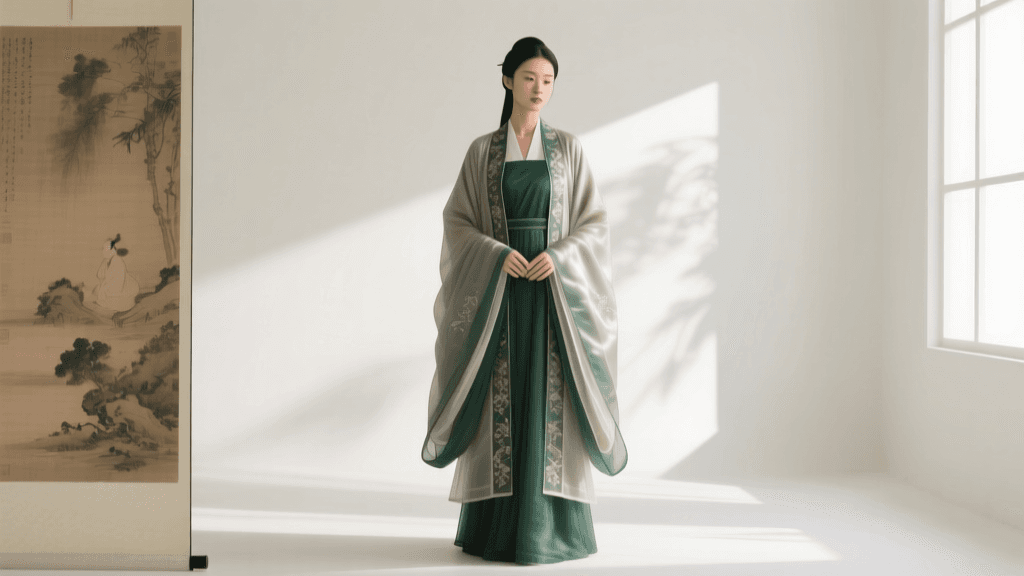
The intersection of heritage craftsmanship and global haute couture has reached an unprecedented zenith during the Spring/Summer 2026 runway season. As international fashion houses seek deeper authenticity and sustainable narratives, traditional Japanese textiles have moved from niche archival references to the forefront of luxury design collaborations. Specifically, the meticulous art of Sashiko embroidery and the opulent weaving of Nishijin-ori brocade are redefining the boundaries of international streetwear and high fashion in 2026. This comprehensive guide explores how these centuries-old techniques are being reimagined through modern global partnerships, offering collectors and enthusiasts actionable insights into the current market.
True luxury in 2026 is not defined by overt branding, but by the invisible hours of human devotion and cultural lineage woven into every single thread.
The Renaissance of Nishijin-ori in Haute Couture
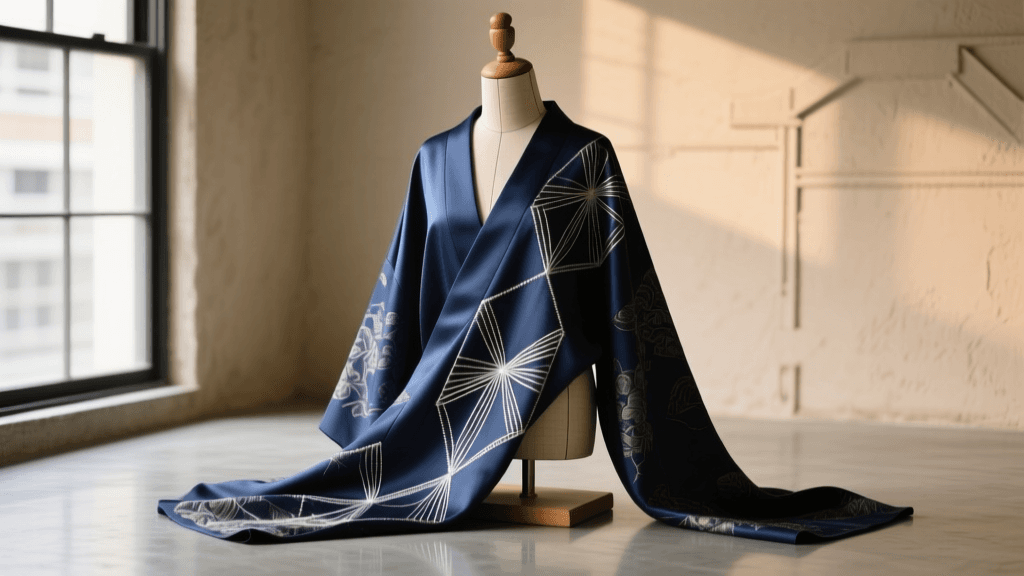
Nishijin-ori, the legendary brocade weaving tradition of Kyoto, represents over twelve centuries of textile mastery. Characterized by its intricate, multi-colored patterns and the generous use of gold and silver threads, Nishijin was historically reserved for the imperial court and samurai elite. In 2026, however, this exquisite fabric is experiencing a radical renaissance on the global stage. Leading European luxury conglomerates have established direct, exclusive partnerships with multi-generational Kyoto weaving houses to produce limited-edition capsule collections. According to cultural archives documented by the Nishijin Textile Center, the integration of traditional jacquard looms with modern, tension-controlled synthetic blends has allowed these historic textiles to be tailored into contemporary silhouettes like structured blazers, wide-leg trousers, and even luxury sneaker uppers without compromising the fabric's structural integrity.
The 2026 luxury market has seen a distinct shift away from overt logo-mania toward 'quiet luxury' and heritage-driven storytelling. A Nishijin-woven bomber jacket from a recent Paris-Kyoto collaborative drop, for instance, commands a retail price upward of $14,500, reflecting the painstaking 400 hours of loom setup and weaving required for a single bolt of fabric. For collectors, the hallmark of a genuine 2026 collaborative Nishijin piece lies in the selvedge. Authentic partnership pieces often feature a dual-stamped selvedge, bearing both the insignia of the European fashion house and the traditional hanko (seal) of the Kyoto master weaver. When investing in these garments, it is crucial to request the accompanying provenance certificate, which in 2026 now includes a blockchain-verified digital twin detailing the exact lineage of the silk and metallic threads used.
Sashiko and Boro: From Peasant Mending to Streetwear Grails
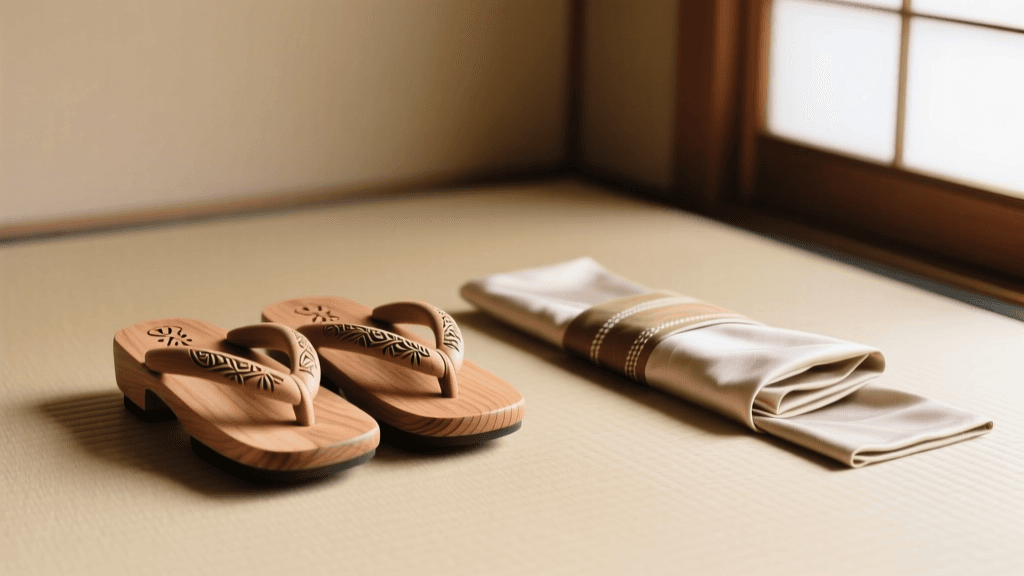
While Nishijin-ori represents the aristocratic pinnacle of Japanese fashion, Sashiko and its closely related counterpart, Boro, emerge from the agrarian roots of the Edo period. Originally developed by peasants in the harsh, cotton-scarce regions of northern Tohoku, Sashiko (meaning 'little stabs') is a functional running stitch used to reinforce and mend worn textiles. Boro refers to the heavily patched, multi-generational garments that resulted from this practice. Today, the raw, wabi-sabi aesthetic of Sashiko has become one of the most highly sought-after elements in international streetwear and luxury collaborations.
In 2026, the fusion of Sashiko with global streetwear has evolved beyond mere aesthetic imitation. Brands are no longer simply printing Sashiko patterns onto denim; they are commissioning actual hand-stitched garments from artisanal cooperatives in Aomori and Iwate prefectures. The Metropolitan Museum of Art's Heilbrunn Timeline of Art History notes that the historical significance of Japanese mending techniques lies in their profound respect for materials, a philosophy that perfectly aligns with the 2026 fashion industry's strict sustainability mandates. Contemporary collaborations now utilize vintage, mid-century Boro textiles, deconstructing them and integrating them into modern technical outerwear, such as Gore-Tex lined parkas and modular cargo vests.
Authentication Guide: Hand-Stitched vs. Machine Sashiko
For the discerning buyer navigating the 2026 secondary market, distinguishing between authentic hand-stitched Sashiko and mass-produced, machine-embroidered replicas is paramount. Use the following checklist when evaluating a piece:
- Stitch Irregularity: Hand-stitched Sashiko exhibits subtle, beautiful irregularities. The running stitches, typically measuring between 3mm and 5mm in length, will vary slightly in tension and spacing, reflecting the human hand.
- Reverse Side Inspection: On the reverse side of authentic Sashiko, the thread carries over in long, continuous floats between the stitched areas, whereas machine embroidery will show a dense, chaotic network of bobbin thread.
- Indigo Patina: Authentic collaborative pieces from 2026 frequently utilize naturally dyed indigo threads, which will show slight fading and a rich, multi-dimensional patina that synthetic, chemically dyed threads cannot replicate.
- Thread Thickness: Traditional Sashiko uses tightly twisted, thick cotton yarn that sits proudly on the fabric surface, unlike the flat, sheen-heavy rayon threads often used in commercial machine embroidery.
2026 Collaboration Comparison Chart
To help collectors and fashion enthusiasts navigate the current landscape, the table below outlines the primary differences between the major Japanese textile collaboration categories dominating the 2026 market.
| Technique | Primary International Partners | 2026 Price Range (USD) | Best For |
|---|---|---|---|
| Nishijin-ori (Brocade) | LVMH, Kering, Dior, Loewe | $4,500 - $25,000+ | Haute couture collectors, formal archival investments |
| Sashiko & Boro (Mending) | Streetwear giants, Visvim, Kapital, Nike x Sacai | $850 - $3,200 | Streetwear enthusiasts, daily wearable heritage |
| Shibori (Resist Dyeing) | Contemporary minimalist brands, Jil Sander, Lemaire | $1,200 - $5,500 | Avant-garde fashion lovers, textile art collectors |
How to Invest in and Care for Collaborative Pieces
Investing in Japanese-international collaborative garments requires a stringent approach to archival care, particularly given the delicate nature of the materials involved. Nishijin-ori, with its delicate silk warp and metallic weft threads, is highly susceptible to environmental degradation. Garments should never be hung on wire or thin wooden hangers, as the weight of the brocade can cause the shoulder seams to distort and the metallic threads to snap over time. Instead, use wide, padded archival hangers and store the garments in breathable, unbleached cotton garment bags. The ambient humidity of your storage environment must be strictly maintained between 45% and 55% relative humidity to prevent the silk from becoming brittle or the metallic elements from tarnishing.
Sashiko and Boro pieces, while inherently more robust due to their cotton construction and reinforced stitching, present their own unique preservation challenges. The indigo dye used in traditional Sashiko is not entirely colorfast and can crock (transfer) onto lighter fabrics or skin. When cleaning a 2026 collaborative Sashiko denim jacket, avoid traditional dry cleaning, as the harsh chemical solvents will strip the natural oils from the cotton and dull the indigo's vibrant depth. Instead, opt for a specialized heritage textile cleaner who utilizes gentle, pH-neutral aqueous baths. If you must spot-clean the garment at home, use cold water and a mild, sulfate-free castile soap, gently dabbing the area without agitating the hand-stitched threads.
The Future of Japanese-Global Fashion Synergy
The trajectory of Japanese fashion in international design collaborations points toward a future where heritage preservation and global innovation are inextricably linked. As documented by the Victoria and Albert Museum's comprehensive guide to Japanese textiles, the global appreciation for these techniques ensures their survival, providing vital economic lifeblood to aging artisan communities in rural Japan. The 2026 landscape proves that when international design houses approach traditional Asian garments with reverence, equitable partnership, and a commitment to authentic craftsmanship, the resulting pieces transcend mere clothing. They become wearable artifacts, bridging the gap between ancient Kyoto looms, Tohoku farming villages, and the modern global wardrobe.