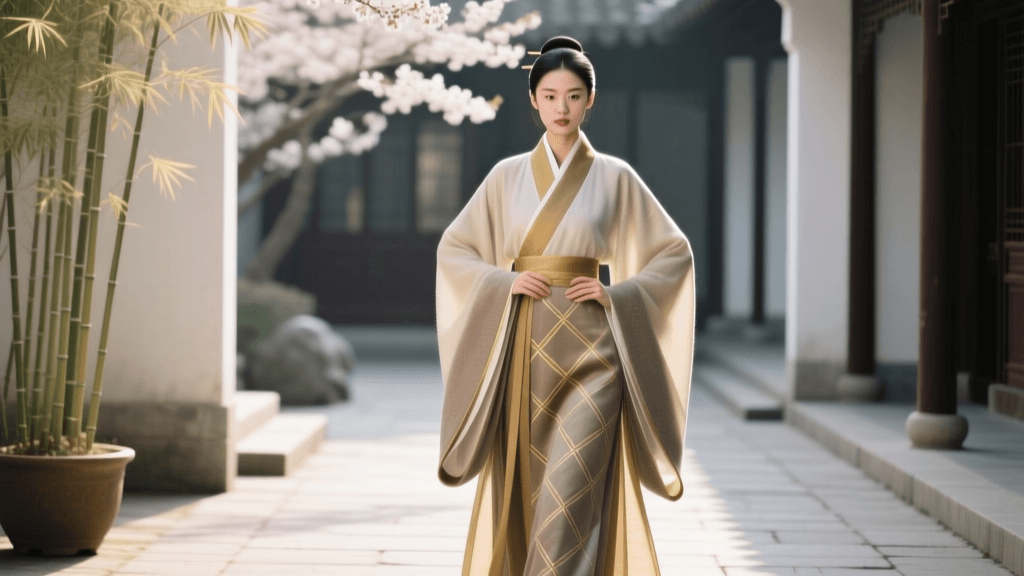
2026 Global Fashion: Sashiko & Boro in Luxury Collaborations
The Renaissance of Wabi-Sabi in 2026 Haute Couture
The global fashion landscape of 2026 is defined by a profound yearning for authenticity, sustainability, and narrative depth. As consumers and designers alike pivot away from the ephemeral cycles of fast fashion, the international luxury market has turned its gaze toward the enduring philosophy of wabi-sabi—finding beauty in imperfection and transience. At the forefront of this movement are the traditional Japanese textile arts of Sashiko and Boro. Once born out of rural necessity and economic hardship, these meticulous techniques have been elevated through high-profile international design collaborations, merging centuries-old Japanese craftsmanship with contemporary Western luxury streetwear and haute couture.
In 2026, collaborative collections between European heritage houses and Japanese artisanal guilds are not merely aesthetic exercises; they are vital economic lifelines for rural weaving villages in regions like Aomori and Okinawa. By integrating these traditional methods into modern silhouettes, designers are creating garments that serve as wearable archives, bridging the gap between Edo-period utility and 2026's demand for hyper-artisanal luxury.
Understanding Sashiko and Boro: The Foundations
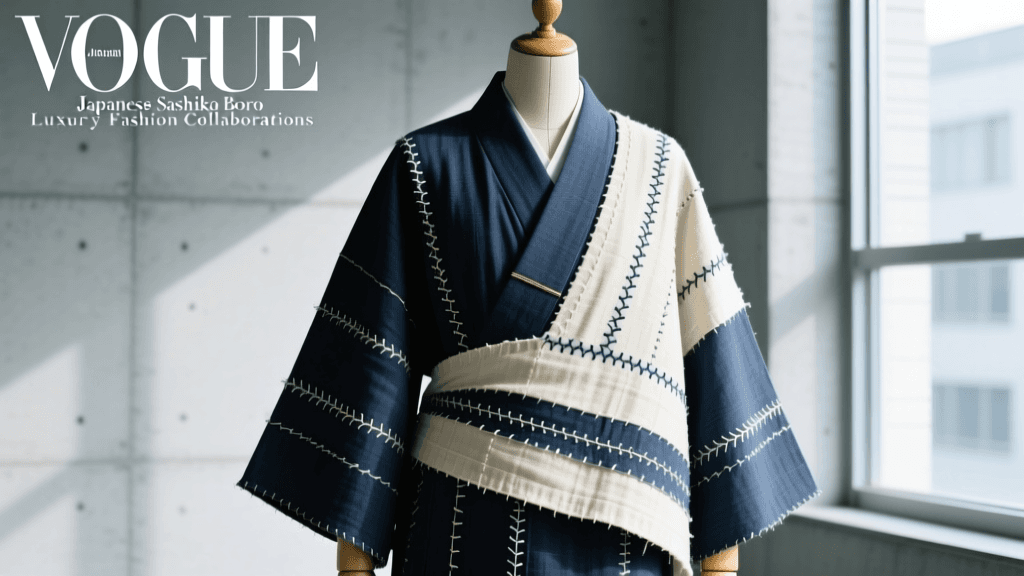
To appreciate the magnitude of these modern collaborations, one must first understand the historical weight of the techniques involved. Sashiko, which translates to "little stabs," is a form of decorative reinforcement stitching. Originally used to mend and strengthen worn fabrics, it evolved into a sophisticated geometric art form characterized by precise, running white stitches on dark indigo cotton. According to the Victoria and Albert Museum, the evolution of such textile arts reflects the deep socio-economic history of Japan, where sumptuary laws restricted the lower classes from wearing silk or bright colors, leading to an explosion of creativity in cotton dyeing and stitching.
Boro, meaning "rags" or "tattered cloth," is the natural extension of Sashiko. It involves patching together scraps of fabric over generations, creating dense, heavily textured garments that carry the literal DNA of a family's history. The Metropolitan Museum of Art highlights that Japanese textiles, particularly those utilizing indigo and patchwork, were highly valued not just for their aesthetic qualities, but for their remarkable durability and the spiritual protection they were believed to offer the wearer. Today, these very characteristics—longevity and personal narrative—are the exact metrics by which 2026 luxury consumers evaluate their purchases.
2026’s Premier International Design Collaborations
This year, the integration of Sashiko and Boro into international fashion has reached unprecedented levels of technical sophistication and cultural respect. Rather than appropriating the aesthetic, leading global brands are establishing direct, equitable partnerships with Japanese artisanal cooperatives.
For the Fall/Winter 2026 season, several marquee collaborations have set the industry standard. European luxury conglomerates have partnered with multi-generational Sashiko masters in Tohoku to produce limited-run outerwear. These pieces feature traditional motifs like Seigaiha (ocean waves) and Asanoha (hemp leaf), but are mapped onto modern, oversized streetwear silhouettes and technical alpine gear. The result is a hybrid garment that offers the weather-resistant utility demanded by modern urbanites, anchored by the soul and meticulous hand-stitching of Japanese heritage.
Furthermore, the 2026 luxury streetwear market has seen a surge in "upcycled Boro" collaborations, where deadstock denim from Western heritage brands is sent to Japan to be repaired and reimagined by Boro artisans. This closed-loop collaboration perfectly satisfies the 2026 consumer's demand for circular fashion, ensuring that no new raw materials are harvested while simultaneously preserving a dying art form.
Market Comparison: Techniques in Modern Luxury
For collectors and enthusiasts navigating the 2026 market, understanding the distinction between these techniques—and their corresponding price points and lead times—is essential. The following table outlines the current landscape of artisanal Japanese textiles in luxury collaborations.
| Technique | 2026 Luxury Price Range (USD) | Primary Garment Application | Artisan Lead Time |
|---|---|---|---|
| Sashiko | $1,200 - $3,500 | Denim, Haori, Tote Bags, Sneaker Uppers | 40 - 80 Hours |
| Boro | $2,500 - $8,000+ | Heavy Outerwear, Kimono Jackets, Capsules | 100 - 200+ Hours |
| Kasuri (Ikat) | $800 - $2,200 | Shirting, Linings, Scarves, Lightweight Layers | 3 - 5 Months |
| Shibori (Tie-Dye) | $600 - $1,800 | Silk Blouses, Resort Wear, Accessories | 2 - 4 Weeks |
Sourcing Authentic Pieces and Verifying Provenance
As the demand for Sashiko and Boro has surged in 2026, so too has the market for machine-made imitations. Mass-market brands often use computerized embroidery to mimic the look of hand-stitched Sashiko, completely stripping the garment of its cultural and artisanal value. When investing in a collaborative luxury piece this year, provenance is paramount.
- Blockchain Certificates: In 2026, authentic collaborative pieces are accompanied by NFC-embedded tags or blockchain-backed digital certificates. These provide a transparent ledger of the garment's journey, detailing the specific artisan cooperative in Japan, the hours spent stitching, and the origin of the indigo dye.
- Examine the Reverse Side: True Sashiko is a running stitch that passes entirely through the fabric. If you turn the garment inside out and see a messy web of bobbin thread or floating top-stitches, it is machine-embroidered. Hand-stitched Sashiko will show neat, rhythmic dashed lines on both sides.
- Imperfections as Signatures: Authentic Boro and Sashiko feature slight, natural variations in stitch length and tension. These "flaws" are the hallmark of the human hand and are highly prized in the 2026 luxury market.
Care and Preservation of Artisanal Textiles
Garments featuring authentic natural indigo and hand-stitched cotton require specialized care to maintain their structural integrity and color depth. The oils from your skin and improper washing can degrade the fibers or cause the indigo to bleed unevenly.
- Washing: Never machine wash authentic Boro or Sashiko. Hand wash in cold water (below 20°C or 68°F) using a pH-neutral, specialized detergent designed for dark textiles. Avoid soaking for more than five minutes to prevent the indigo from stripping.
- Drying: Never wring or twist the fabric, as this can snap the delicate vintage threads used in Boro patchwork. Gently press the water out between two clean, dry towels and lay the garment flat in a shaded, well-ventilated area. Direct sunlight will rapidly fade natural indigo.
- Storage: Store heavy Boro jackets on wide, padded wooden hangers to support the weight of the dense patchwork. Keep them in a breathable cotton garment bag, away from cedar or mothballs, which can react with the natural dyes and alter the color profile.
Styling the Collaborative Pieces in 2026
The beauty of the 2026 collaborative collections lies in their versatility. A hand-stitched Sashiko Haori or a heavily textured Boro field jacket is no longer confined to avant-garde fashion circles; it has become a cornerstone of the modern, elevated wardrobe.
For a sophisticated daytime look, pair a mid-weight Sashiko chore coat with tailored, wide-leg wool trousers and minimalist leather footwear. The contrast between the rugged, geometric stitching of the coat and the clean, fluid lines of modern tailoring creates a striking visual tension. In the evening, a Boro silk-blend bomber jacket can be thrown over a monochromatic, high-neck knit and dark selvedge denim, allowing the intricate, generational patchwork to serve as the undeniable focal point of the ensemble.
Conclusion
The intersection of Japanese heritage and international luxury in 2026 represents a maturing of the global fashion consciousness. By embracing Sashiko and Boro, designers and consumers are rejecting the disposable nature of modern apparel in favor of garments that demand time, respect, and preservation. These collaborative pieces are not merely clothing; they are investments in cultural continuity, proving that the most forward-thinking fashion of our time is deeply rooted in the wisdom of the past.