Nishijin-Ori Sneaker Collabs: 2026 Luxury Footwear Guide
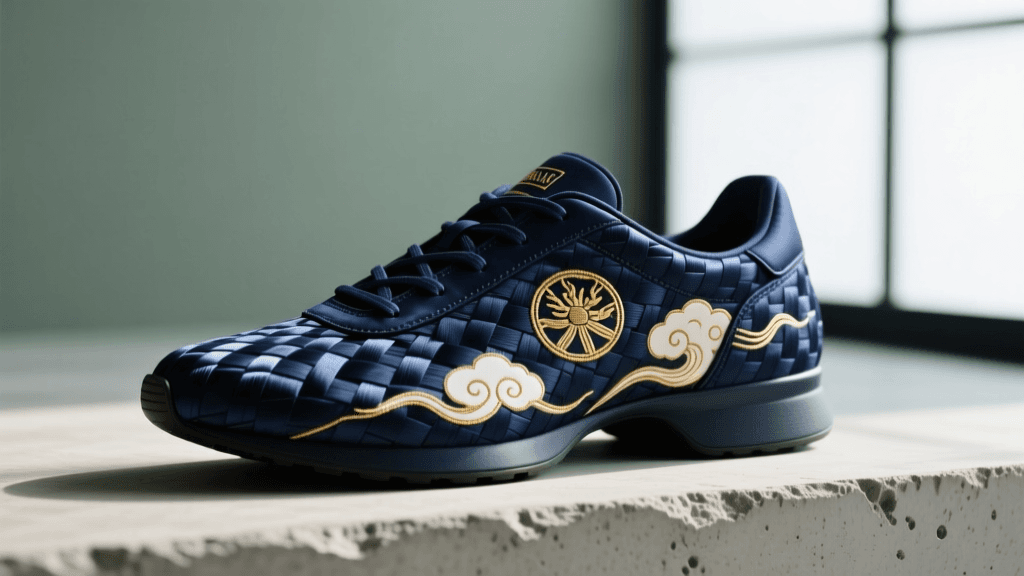
The Renaissance of Nishijin-Ori in Global Footwear
In the ever-evolving landscape of international fashion, the intersection of heritage craftsmanship and contemporary streetwear has reached a breathtaking zenith in 2026. At the forefront of this movement is Nishijin-ori, a traditional Japanese textile weaving technique originating from the Nishijin district of Kyoto. Once reserved exclusively for the opulent kimono of the imperial court and high-ranking samurai, this intricate weaving method has now found a striking new canvas: the luxury sneaker. As global fashion houses and premier athletic brands seek deeper, more authentic storytelling, Japanese fashion in international design collaborations has pivoted toward these centuries-old textiles, creating a sensory experience that bridges the Edo period with the modern metropolis.
The appeal of Nishijin-ori lies in its unparalleled complexity and visual depth. Utilizing intricately dyed silk threads, metallic gold and silver leaf, and specialized Jacquard looms, the resulting fabric boasts a three-dimensional texture that flat prints and standard embroideries simply cannot replicate. In 2026, luxury footwear collaborations are not merely slapping a kimono print onto a leather upper; they are integrating genuine, loom-woven Nishijin textiles into the structural anatomy of the shoe, offering a tactile and visual masterpiece that honors Asian traditions while pushing the boundaries of modern design.
Why International Brands Are Turning to Kyoto Weavers
The shift toward Nishijin-ori in 2026 is driven by a consumer demand for "slow fashion" and artisanal authenticity. According to the Nishijin Textile Industrial Association, the preservation of these weaving techniques has historically relied on domestic kimono sales, which have seen a steady decline over the decades. International luxury collaborations provide a vital economic lifeline to these aging artisan communities, injecting capital and global relevance into a heritage craft.
Furthermore, the sensory experience of Nishijin-ori aligns perfectly with the luxury market's current obsession with materiality. The subtle rustle of the silk, the way the metallic threads catch the light during movement, and the rich, multi-layered patterns—ranging from auspicious cranes to geometric Edo-period motifs—offer a level of exclusivity that mass-produced materials lack. Brands recognize that in 2026, true luxury is defined by the human touch and the imperfections of hand-guided loom work, making each pair of sneakers a unique, wearable artifact.
2026's Most Anticipated Nishijin-Ori Sneaker Collaborations
This year has seen an unprecedented number of high-profile partnerships between Kyoto weaving cooperatives and global footwear giants. Below is a comprehensive breakdown of the most significant Nishijin-ori sneaker releases defining the 2026 market.
| Brand & Model | Textile Focus & Motif | 2026 Retail Price | Release Window |
|---|---|---|---|
| Asics x Nishijin Cooperative (Gel-Kayano 14) | Silk & Silver Leaf 'Seigaiha' (Ocean Waves) | $650 USD | Spring 2026 |
| New Balance 990v6 'Kyoto Loom' | Heavyweight Silk & Gold Thread 'Tsuru' (Crane) | $480 USD | Summer 2026 |
| Maison Margiela Tabi Nishijin | Matte Black Silk with Subtle Monochrome Jacquard | $1,250 USD | Fall 2026 |
| Nike Air Max 97 'Shokunin' Edition | Vibrant Multi-color Silk 'Kiku' (Chrysanthemum) | $320 USD | Winter 2026 |
Deep Dive: The Asics Gel-Kayano 14 'Seigaiha'
Asics has long been a champion of Japanese craftsmanship, but their 2026 Gel-Kayano 14 iteration elevates the brand's archival silhouette to high art. The upper replaces the traditional mesh with a breathable, tightly woven Nishijin silk featuring the 'Seigaiha' wave pattern. By integrating modern thermoplastic polyurethane (TPU) overlays, Asics has managed to provide the structural lockdown required for a performance-rooted shoe without obscuring the delicate textile.
Deep Dive: Maison Margiela Tabi Nishijin
Maison Margiela’s approach is characteristically avant-garde. For their Fall 2026 Tabi release, the house collaborated with master weavers to create a monochrome, matte-black Nishijin fabric. The pattern is only visible when the light hits the raised Jacquard texture at specific angles. This subtle, stealth-wealth approach caters to the high-end luxury consumer who values understated sophistication over loud, conspicuous branding.
The Technical Challenge: From Loom to Last
Integrating a delicate, 1,200-year-old textile into a modern sneaker presents immense technical challenges. Traditional Nishijin-ori is designed to drape elegantly over the human body, not to withstand the abrasive friction, moisture, and structural tension of footwear. To solve this, 2026's collaborations have pioneered new backing technologies.
According to insights from the Nishijin Ori Center in Kyoto, modern weaving cooperatives have begun working closely with international material scientists. The reverse side of the delicate silk is now frequently laminated with a micro-thin, flexible bio-resin. This invisible backing prevents the silk threads from fraying or snapping when stretched over the sneaker's last (the foot mold used in shoemaking). Additionally, the metallic threads—traditionally made from delicate paper coated in gold leaf—have been updated for 2026 footwear releases using micro-woven metallic polymers that mimic the exact luster of traditional gold leaf but offer the tensile strength required for daily wear.
Styling Your Nishijin-Ori Footwear in 2026
Styling sneakers that feature such rich, ornate textiles requires a careful balance. The footwear is undeniably the statement piece of any outfit, and the surrounding garments should serve to frame, rather than compete with, the intricate weaving.
- Minimalist Tailoring: Pair the Asics or New Balance Nishijin models with wide-leg, cropped trousers in muted tones like charcoal, slate, or olive. The cropped hem ensures the full silhouette of the sneaker and the continuity of the woven pattern are visible.
- Monochromatic Streetwear: For the vibrant Nike Air Max 97 'Shokunin', an all-black or all-cream streetwear ensemble allows the multi-colored chrysanthemum motifs to pop dramatically. Avoid additional patterns or heavy graphic tees that could cause visual clutter.
- Texture Matching: Echo the luxury of the silk by incorporating other high-quality natural fabrics into your wardrobe. Heavyweight cottonFrench terry, raw selvedge denim, and fine merino wool complement the sheen of the Nishijin-ori without overshadowing it.
Investment Value and Cultural Preservation
Beyond their aesthetic brilliance, Nishijin-ori sneakers have become highly sought-after assets in the 2026 secondary market. Because the weaving process is incredibly time-consuming—a single master weaver can only produce a few meters of high-grade Nishijin fabric per day—these sneaker collaborations are strictly limited in quantity. Resale platforms report that well-preserved pairs from the Spring 2026 drops are already trading at a 40% to 60% premium over their original retail prices.
However, the true value of these collaborations extends far beyond financial speculation. The Japan Kogei Association has frequently highlighted the critical need to attract younger generations to traditional crafts. By placing Nishijin-ori on the global stage through the universally beloved medium of sneaker culture, these international design collaborations are inspiring a new wave of young Japanese artisans to take up the mantle of the loom. When consumers purchase these luxury sneakers, they are not just buying footwear; they are actively participating in the preservation of Asian traditions, ensuring that the rhythmic clatter of the Kyoto Jacquard looms continues to echo into the future.
Conclusion
The fusion of Japanese fashion and international design collaborations has reached a masterful equilibrium in 2026. Nishijin-ori sneakers represent the pinnacle of this movement, offering a wearable synthesis of ancient Zen spirituality, meticulous craftsmanship, and cutting-edge streetwear aesthetics. As global brands continue to look East for inspiration, the enduring legacy of Kyoto's weavers proves that true luxury is timeless, deeply rooted in history, and forever capable of reinvention.