Japanese Matsuri Festival Costumes: Happi, Hanten & Yukata Guide
The Heartbeat of Japanese Summer: Matsuri and Performance Wear
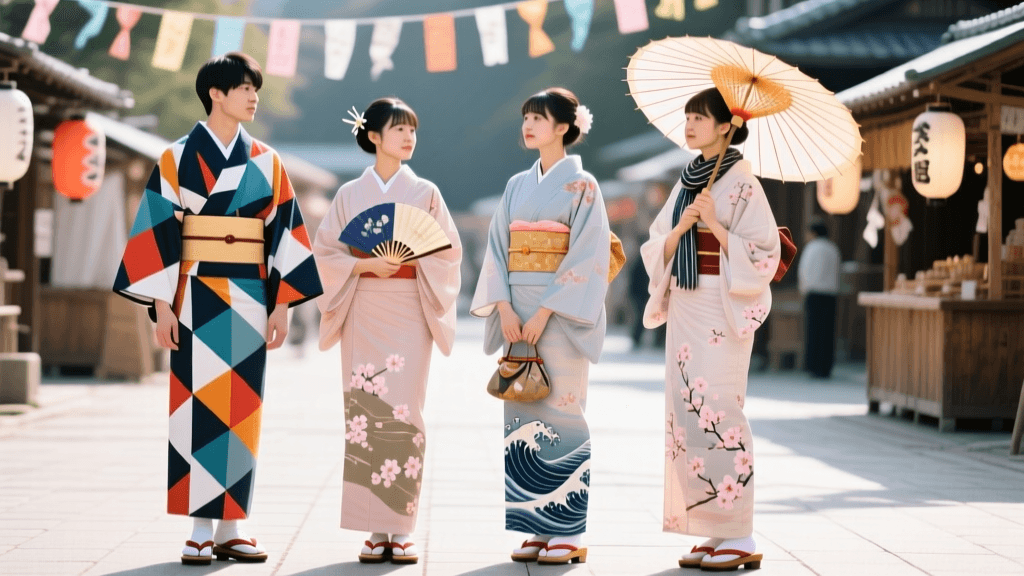
When summer arrives in Japan, the air fills with the rhythmic beating of taiko drums, the melodic strumming of the shamisen, and the vibrant energy of matsuri (traditional festivals). Central to these celebrations are the garments worn by performers, shrine bearers, and dancers. Unlike everyday traditional clothing, Japanese festival and performance costumes are engineered for dynamic movement, communal identity, and spiritual connection. From the iconic happi coats worn by mikoshi (portable shrine) bearers to the flowing yukata of Bon Odori dancers, these garments represent a fascinating intersection of utility, craftsmanship, and cultural heritage.
Whether you are a cultural enthusiast, a theater costumer, or a traveler preparing to participate in a local neighborhood festival, understanding the nuances of Japanese performance wear is essential. According to the Japan National Tourism Organization, thousands of matsuri take place annually, each with distinct sartorial requirements that reflect regional history and the specific physical demands of the performance.
The Happi Coat: The Ultimate Matsuri Performance Garment
The happi coat is arguably the most recognizable symbol of Japanese festival culture. Originally worn by firefighters and tradesmen during the Edo period (1603–1867) to display their family or guild crests, the happi has evolved into the quintessential uniform for festival performers. Its design is inherently practical: the straight, tubular sleeves and open front allow for maximum ventilation and unrestricted arm movement, which is crucial when carrying heavy portable shrines or performing vigorous taiko drumming routines.
Material and Construction Details
When sourcing a happi for actual performance use, material choice is critical. Authentic performance happi are typically crafted from 100% cotton twill or sashiko (traditional quilted cotton). Sashiko stitching not only adds a beautiful geometric texture but also reinforces the fabric against the friction of heavy shoulder loads. The traditional dyeing method is chusen, a pour-dyeing technique that penetrates the fabric completely, ensuring the vibrant indigo or black colors do not fade easily despite heavy sweating and frequent washing.
- Standard Measurements: A typical adult happi measures 80 to 85 cm in length (falling at the mid-thigh) with a sleeve span of 120 to 130 cm.
- Cost Expectations: Mass-produced, polyester-blend happi for tourists cost between $20 and $35. However, a performance-grade, custom-dyed cotton happi featuring a specific neighborhood or guild crest will cost between $90 and $180.
- Accessories: Performers pair the happi with a haramaki (stomach band) to support the lower back, and fundoshi (traditional loincloth) or tight-fitting tobi trousers underneath.
Hanten vs. Happi: Understanding the Differences
While often confused by outsiders, the hanten and the happi serve entirely different purposes in the Japanese wardrobe. As noted in the Victoria and Albert Museum's extensive archives on Japanese fashion, the evolution of casual and workwear in Japan was strictly dictated by climate and class. The hanten is a padded winter garment designed for warmth, whereas the happi is an unlined summer garment designed for labor and performance.
| Feature | Happi Coat | Hanten Coat |
|---|---|---|
| Primary Use | Festival performance, shrine carrying, taiko drumming | Winter loungewear, casual warmth, indoor use |
| Lining & Weight | Unlined or light cotton; breathable and lightweight | Thickly padded with cotton wadding or batting |
| Standard Length | Hip to mid-thigh (80–90 cm) | Hip length (70–80 cm) |
| Collar Design | Wide, contrasting lapel (often white or black) | Narrow, folded collar matching the body fabric |
| Closure Method | Tied with a simple cotton belt or sash | Tied with a short front sash or toggle |
Yukata and Jinbei for Bon Odori Dance Performances
Bon Odori is the traditional folk dance performed during the Obon season in August to welcome the spirits of ancestors. While casual attendees might wear standard summer yukata, dedicated dancers require specialized adjustments to their garments to accommodate high kicks, deep squats, and rapid spins. The Awa Odori festival in Tokushima, one of Japan's largest and most energetic dance festivals, perfectly illustrates the need for performance-specific yukata.
Choosing the Right Performance Yukata
For vigorous dances like Awa Odori or Gujo Odori, standard silk or heavy synthetic yukata will restrict movement and trap heat. Dancers should opt for tetsukon (iron navy) or indigo-dyed cotton. Cotton is highly absorbent, wicking sweat away from the body during hours of continuous dancing. Furthermore, female performers often wear their yukata with a modified, higher hemline, tucking the excess fabric into the obi to allow for greater leg mobility.
The Obi and Footwear
The traditional stiff maru obi or fukuro obi is entirely unsuitable for Bon Odori. Instead, performers use a heko obi—a soft, wide, sash-like cotton belt that is tied in a relaxed, voluminous bow. For those who struggle with tying knots mid-performance, a tsuke obi (pre-tied obi with a clip or tie-back) is a highly practical and widely accepted alternative in festival settings. Footwear is equally critical. While wooden geta are traditional, the hard wooden teeth and stiff thongs can cause severe blisters during a two-hour dance. Serious performers invest in jikatabi (split-toe rubber-soled boots) or specialized dance zori with thick, cushioned cotton hanao (thongs). Expect to pay $45 to $85 for a quality pair of performance jikatabi.
Practical Guide: Sizing, Costs, and Procurement Timing
Purchasing authentic Japanese performance garments requires an understanding of domestic sizing and traditional manufacturing timelines. Japanese clothing sizes are generally based on height and hip width rather than just chest circumference.
- Size M: Garment length 105 cm. Fits heights 160–165 cm.
- Size L: Garment length 110 cm. Fits heights 165–170 cm.
- Size LL (or XL): Garment length 115 cm. Fits heights 170–180 cm.
Timing for Custom Orders: If you are outfitting a dance troupe or a neighborhood shrine team and require custom chusen dyeing with specific crests (mon), you must place your order at least 3 to 4 months before the summer festival season. Traditional dye houses in regions like Osaka and Kyoto experience massive backlogs between May and July. Mass-produced, screen-printed alternatives can be sourced in a matter of weeks, but they lack the breathability and prestige of true pour-dyed cotton.
Cultural Etiquette and Performance Tips
When wearing any Japanese traditional garment, the most critical rule of etiquette applies: always wrap the left side over the right side. Wrapping right-over-left is strictly reserved for dressing the deceased for burial. This rule holds true even in the chaotic, high-energy environment of a matsuri. Additionally, when tying the belt of a happi coat, ensure the knot is centered at the front or slightly to the side, and never tie it in a complex bow, as simple square knots are the standard for masculine and performance wear.
By selecting the appropriate fabrics, respecting the historical context of the garments, and adhering to proper sizing and etiquette, performers can fully immerse themselves in the profound cultural legacy of the Japanese matsuri. These costumes are not merely clothing; they are the living, breathing armor of Japan's festive traditions.