Sustainable Japanese Natural Dyeing: 2026 Eco-Friendly Guide
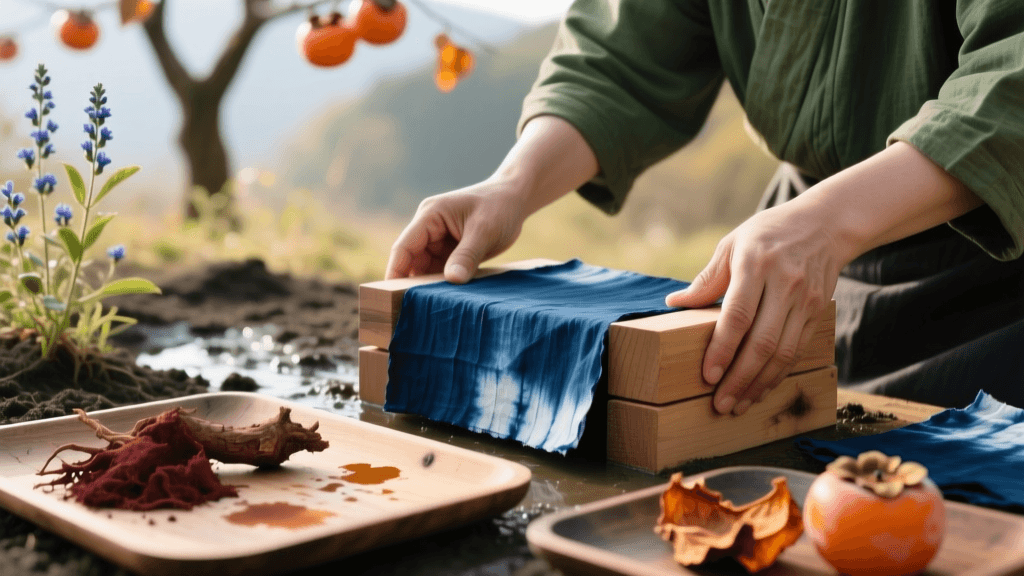
The Renaissance of Kusaki-Zome in 2026
In 2026, the global textile industry is undergoing a massive reckoning with its environmental footprint, driving a profound resurgence in kusaki-zome, the traditional Japanese art of plant-based dyeing. As consumers and designers alike demand transparency and ecological responsibility, heritage dyeing techniques are no longer viewed merely as historical curiosities. Instead, they are being recognized as vital, scalable solutions for sustainable fashion. According to the Japanese Ministry of Economy, Trade and Industry (METI), government initiatives supporting traditional crafts have increasingly prioritized eco-friendly modernization, helping centuries-old dye studios transition into zero-waste facilities.
Unlike synthetic dyes, which rely on petrochemicals and release toxic effluents into waterways, Japanese natural dyes utilize renewable botanical resources. When paired with modern 2026 sustainability practices—such as closed-loop water recycling and bio-mordanting—these ancient methods offer a blueprint for the future of ethical garment production. This guide explores the most prominent Japanese dye plants, their ecological benefits, and actionable methods for integrating them into sustainable textile practices today.
Core Japanese Natural Dye Plants and Their Eco-Profile
The foundation of kusaki-zome lies in the careful selection of local flora. Japanese dyers have historically utilized plants that grow abundantly in their specific microclimates, minimizing transportation emissions and supporting local biodiversity. Below is a comparison of the four most essential Japanese natural dye plants utilized in sustainable studios in 2026.
| Plant Name (Japanese) | Botanical Name | Primary Color Yield | Eco-Sustainability Rating | Water Footprint |
|---|---|---|---|---|
| Ai (Indigo) | Persicaria tinctoria | Deep Blue | High (Carbon sequestering) | Moderate (Recyclable vat) |
| Kakishibu (Persimmon) | Diospyros kaki | Earth Brown / Amber | Very High (Upcycled ag-waste) | Low (No heating required) |
| Akane (Madder) | Rubia argyi | Crimson / Brick Red | Moderate (Root harvest) | High (Requires boiling) |
| Kihada (Amur Cork) | Phellodendron amurense | Vibrant Yellow | High (Bark byproduct) | Moderate |
Ai (Indigo): The Blue Gold of Tokushima
Japanese indigo, or tade-ai, is arguably the most famous of all natural dyes. The process of creating sukumo (fermented indigo leaves) is a masterclass in slow, sustainable crafting. In Tokushima Prefecture, the historical heart of Japanese indigo, farmers cultivate the plant during the summer, harvest it, and compost it over 90 days. As noted by botanical experts at the Royal Botanic Gardens, Kew, the fermentation process not only extracts the precious indican precursor but also creates a nutrient-rich byproduct that is returned to the soil as fertilizer, embodying a perfect circular agricultural model.
In 2026, Tokushima studios have integrated solar-assisted climate control to maintain the precise temperatures required for sukumo fermentation without relying on fossil fuels. Furthermore, the indigo vat itself—made from wood ash lye, sake, and wheat bran—is kept alive for months or even years. When the vat finally exhausts its dye potential, the highly alkaline, nutrient-dense sludge is neutralized and used as a potent agricultural compost, ensuring zero waste.
Kakishibu (Persimmon Tannin): The Zero-Waste Wonder
Kakishibu is a liquid extracted from the fermentation of unripe, astringent persimmons. Historically used to waterproof paper, strengthen fishing nets, and dye workwear, it is experiencing a massive revival in 2026 eco-fashion. The sustainability of kakishibu lies in its source: it utilizes unripe fruit that would otherwise be culled during the agricultural thinning process, transforming agricultural waste into a highly valuable textile resource.
Unlike most natural dyes that require heat extraction and heavy metal mordants to bind to fibers, kakishibu cures and oxidizes at room temperature when exposed to UV light and air. This eliminates the need for energy-intensive boiling and toxic chemical fixatives. The resulting fabric, known as kakishibu-zome, is naturally water-resistant, antibacterial, and exceptionally durable, making it a favorite for sustainable outdoor and workwear brands.
Akane and Kihada: Heritage Reds and Yellows
Akane (Japanese madder) yields beautiful crimson and terracotta hues from its roots. Because harvesting requires uprooting the plant, sustainable studios in 2026 practice strict rotational farming, ensuring that only a fraction of the crop is harvested each year while the rest is left to regenerate the soil. Kihada (Amur cork tree) provides a brilliant, colorfast yellow. The dye is extracted from the inner bark, which is often a byproduct of the timber and traditional medicine industries, ensuring the tree is not felled solely for dye production.
2026 Innovations in Eco-Friendly Dye Methods
While the plants themselves are natural, the historical methods of dyeing sometimes relied on resource-heavy practices. The 2026 landscape of kusaki-zome is defined by technological and methodological innovations that drastically reduce environmental impact.
Closed-Loop Water Systems
Textile dyeing is notoriously water-intensive. Modern Japanese dye houses have adopted closed-loop filtration systems that capture, filter, and reuse up to 85% of the water used in the dyeing process. By utilizing bio-filtration membranes and activated charcoal derived from the very plants used in the dye process, studios can safely recycle water without compromising the vibrancy of subsequent dye batches.
Bio-Mordants and Heavy Metal Elimination
Historically, metallic salts like alum, copper, and iron were used as mordants to bind natural dyes to cellulose and protein fibers. While alum is relatively safe, heavy metals like chrome and copper pose severe ecological risks. In 2026, the industry standard for eco-friendly kusaki-zome relies on bio-mordants. Soy milk (rich in proteins) is used to coat cellulose fibers like cotton and hemp, creating a protein layer that eagerly accepts natural dyes. Additionally, tannin-rich plant extracts, such as pomegranate rinds or acorn cups, are used to naturally bind dyes without the need for metallic salts.
Step-by-Step: Zero-Waste Kakishibu Dyeing at Home
For artisans and hobbyists looking to adopt sustainable practices, kakishibu is the most accessible and eco-friendly entry point. Here is a practical guide to dyeing a standard 200g organic cotton tote bag using zero-waste methods.
Materials Needed
- 200g Organic Cotton or Hemp garment (scoured and washed)
- 500ml pure, undiluted Kakishibu liquid (sourced from sustainable Japanese suppliers)
- 10 liters of clean water
- Large non-reactive bucket (stainless steel or food-grade plastic)
- Soy milk (unsweetened) for bio-mordanting
The Process
- Bio-Mordanting: Dilute 1 liter of soy milk with 4 liters of water. Submerge the scoured cotton bag and let it soak for 2 hours. The soy proteins will bind to the cotton fibers. Wring out gently and let it dry completely.
- Vat Preparation: Mix the 500ml of kakishibu into 5 liters of water in your bucket. Stir thoroughly.
- Immersion: Submerge the dried, mordanted bag into the vat. Agitate gently for 15 minutes to ensure even penetration. Leave it to soak for 1 hour.
- Oxidation (The Magic Step): Remove the bag and hang it outside in direct sunlight. As the tannins react with UV rays and oxygen, the fabric will shift from a pale yellow-green to a rich, deep amber brown.
- Repetition: For a darker, more water-resistant finish, repeat the immersion and oxidation process 3 to 5 times over consecutive days.
- Curing: Allow the final dyed garment to cure in a dry, shaded area for two weeks before washing. This ensures the tannins fully polymerize within the fibers.
"The beauty of kakishibu lies in its relationship with time and light. Unlike synthetic dyes that are fixed instantly with heat and chemicals, persimmon tannin continues to evolve, deepening in color and character as it is worn and exposed to the sun." — Master Dyer, Kyoto Textile Guild.
Sourcing and Market Costs in 2026
As demand for sustainable textiles has surged, the market for authentic Japanese natural dyes has stabilized, though climate impacts have influenced pricing. In 2026, high-quality, artisanal sukumo (fermented indigo) from Tokushima averages around ¥4,800 per 100g, reflecting the intensive 90-day labor process and recent fluctuations in summer rainfall. Conversely, kakishibu remains highly affordable and scalable, with pure, unadulterated liquid retailing for approximately ¥2,500 per liter, making it an economically viable option for small-batch sustainable fashion brands.
When sourcing materials, it is crucial to verify the supply chain. As detailed in comprehensive botanical and historical resources like Britannica's archives on natural dyes, the authenticity of the plant source directly impacts the colorfastness and ecological integrity of the final textile. Always look for suppliers who provide transparency regarding their farming practices, water usage, and fermentation methods.
Conclusion
The practice of kusaki-zome in 2026 represents a harmonious blend of ancestral wisdom and modern ecological necessity. By embracing plants like indigo, persimmon, madder, and amur cork, and pairing them with innovative zero-waste methodologies, the textile industry can drastically reduce its environmental footprint. Whether you are a fashion designer sourcing sustainable materials or a hobbyist dyeing in your backyard, Japanese natural dye plants offer a vibrant, living connection to the earth, proving that the most sustainable solutions are often the ones rooted deeply in tradition.