Everyday Hanbok 2026: How to Style Jeogori With Modern Wardrobes
The Rise of the Everyday Hanbok in 2026
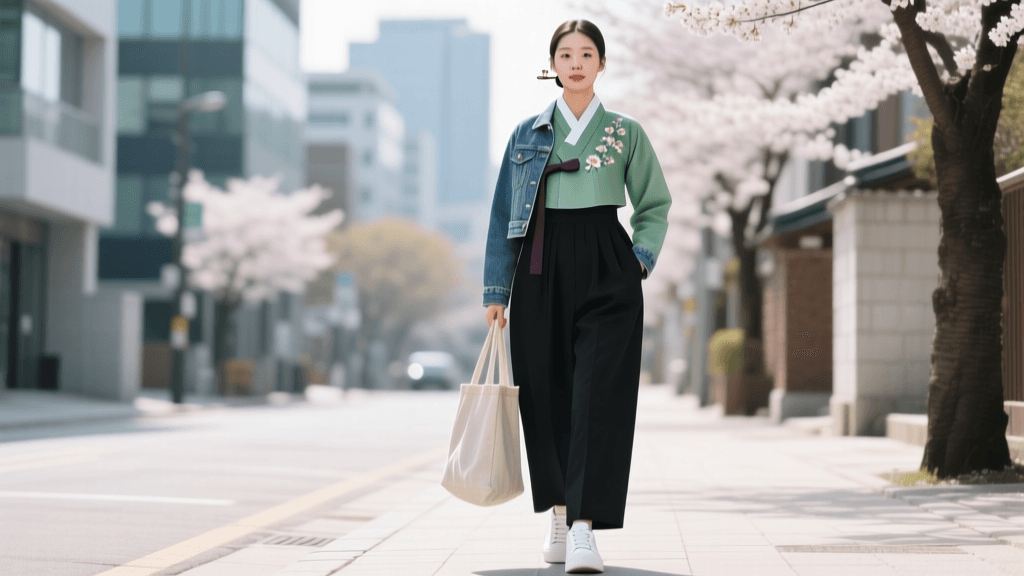
The sartorial landscape of 2026 has fully embraced the fusion of heritage and contemporary utility. Nowhere is this more evident than in the global adoption of the saenghwal hanbok, or 'everyday hanbok.' Once reserved strictly for holidays like Chuseok or Seollal, traditional Korean garments have undergone a radical, highly wearable transformation. Today, fashion-forward individuals are seamlessly integrating the jeogori (the traditional upper garment) into their daily capsule wardrobes, pairing it with everything from tailored office trousers to oversized streetwear cargos. This movement, often dubbed 'heritage-core,' respects the architectural beauty of historical Asian dress while adapting it for the fast-paced, modern lifestyle.
Historically, the silhouette of Korean dress was defined by its voluminous skirts and structured jackets. According to the Metropolitan Museum of Art's Heilbrunn Timeline of Art History, the fundamental structure of the hanbok was established during the Joseon Dynasty, characterized by the elegant contrast between the fitted upper body and the expansive lower garments. In 2026, designers are playing with these exact proportions, cropping the jeogori to highlight the natural waist and utilizing advanced, breathable textile blends that make daily wear not just possible, but incredibly comfortable.
Anatomy of a Modern Jeogori
To successfully mix traditional pieces with modern clothing, one must first understand the anatomy of the 2026 everyday jeogori. While traditional ceremonial jackets might feature lengthy, sweeping sleeves and complex, floor-grazing goreum (the front ties), the modern iteration is a masterclass in minimalist tailoring.
- The Hemline: Modern jeogori typically hit precisely at the natural waist or high hip. This cropped length is crucial for pairing with high-waisted contemporary bottoms, preventing the silhouette from looking overwhelmed by fabric.
- The Goreum (Ties): In 2026, the goreum has been reimagined. While purists still opt for the traditional long ribbons, many contemporary brands offer thick, abbreviated ties, or even hidden magnetic clasps that maintain the V-neck illusion without the fuss of tying a perfect bow.
- The Dongjeong (Collar): The crisp white collar remains a defining feature, framing the face and providing a sharp, structural contrast to the softer fabrics of the jacket body. Many modern versions feature detachable or stain-resistant dongjeong for easy commuting.
For a deeper dive into the cultural preservation and evolution of these garments, the National Folk Museum of Korea offers extensive archives detailing how traditional Korean clothing has adapted to societal shifts over the centuries, providing a rich context for today's modern styling choices.
Three Capsule Wardrobe Formulas for 2026
Integrating a jeogori into your existing wardrobe requires a balance of textures and proportions. Here are three highly actionable styling formulas that dominate the 2026 street-style scene.
Formula 1: The Streetwear Contrast
The juxtaposition of delicate heritage wear with utilitarian streetwear is a hallmark of 2026 fashion. Pair a cropped, heavyweight linen jeogori in a muted celadon or slate grey with oversized, technical parachute pants. The volume of the pants echoes the traditional baji (trousers) but with a distinctly urban edge. Leave the goreum untied, allowing the ribbons to drape loosely over the waistband of the pants, and finish the look with chunky, architectural loafers or retro-runner sneakers. This look is perfect for weekend gallery hopping or casual creative workspaces.
Formula 2: The Office Minimalist
For a professional environment, the jeogori can replace the standard silk blouse or wrap top. Choose a structured cotton-blend jeogori in a deep navy or charcoal, featuring a sharp, pronounced dongjeong. Pair it with high-waisted, wide-leg tailored trousers in a matching or complementary neutral tone. Tuck the front panels of the jeogori slightly into the trousers to define the waist, and tie the goreum into a neat, compact knot. Accessorize with minimalist gold hoop earrings and pointed-toe mules. The result is a commanding, sophisticated silhouette that commands respect in any boardroom.
Formula 3: The Evening Edge
When transitioning to evening wear, sheer fabrics take center stage. A sheer organza or silk-chiffon jeogori worn over a sleek, bias-cut midi slip dress creates an ethereal, layered effect. The opacity of the slip dress grounds the look, while the translucent jeogori adds a layer of romantic complexity. Opt for a slip dress in a rich jewel tone—like emerald or sapphire—and a contrasting ivory or black jeogori. Finish with strappy metallic heels and a modern, geometric clutch.
2026 Capsule Wardrobe Pairing Matrix
To help you visualize these combinations, refer to the styling matrix below. This chart outlines the best modern pairings for various jeogori fabrics and styles.
| Jeogori Style & Fabric | Modern Bottom Pairing | Best Occasion | Recommended Footwear |
|---|---|---|---|
| Cropped Heavyweight Linen | Oversized Parachute / Cargo Pants | Weekend Streetwear, Casual Outings | Chunky Loafers, Retro Sneakers |
| Structured Cotton-Blend | High-Waisted Tailored Trousers | Office, Business Casual, Meetings | Pointed-Toe Mules, Oxfords |
| Sheer Organza / Chiffon | Bias-Cut Silk Slip Skirt or Dress | Evening Events, Dinners, Dates | Strappy Metallic Heels, Mules |
| Quilted Winter Velvet | Straight-Leg Dark Wash Denim | Winter Casual, Holiday Gatherings | Leather Chelsea Boots |
Seasonal Layering Techniques
One of the most common questions surrounding the everyday hanbok is how to wear it across different climates and seasons. In 2026, layering is the key to making the jeogori a year-round staple.
Spring and Autumn: The jeogori shines as a light outer layer. Wear it unbuttoned over a fitted, ribbed turtleneck sweater. The high neck of the turtleneck complements the V-shape of the jeogori's collar without competing with the dongjeong. Alternatively, layer a lightweight, modern hanbok jacket under an oversized, structured wool blazer for a high-fashion, avant-garde silhouette that plays with traditional and Western tailoring.
Summer: Opt for jeogori made from ramie or hemp blends. These natural fibers are highly breathable and possess a beautiful, slightly textured drape. Wear them with wide-leg linen shorts or lightweight culottes. To combat the heat, many modern summer jeogori feature open, flowing sleeves that catch the breeze, functioning almost like a light kimono-style cardigan.
Winter: Winter 2026 has seen a surge in quilted velvet and wool-blend jeogori. These provide genuine insulation while maintaining the traditional silhouette. Pair a quilted jeogori with thick, corduroy wide-leg pants and layer thermal wear underneath. The traditional durumagi (overcoat) has also been modernized into long, sweeping duster coats that can be worn over the entire ensemble for dramatic, sweeping proportions.
Fabric Care and Maintenance for Modern Blends
Historically, caring for a hanbok was a labor-intensive process involving meticulous hand-washing and professional pressing. However, the textile innovations of 2026 have introduced highly durable, easy-care blends designed specifically for the modern consumer's lifestyle. Below is a guide to maintaining the most popular contemporary hanbok fabrics.
| Fabric Blend (2026 Standard) | Washing Instructions | Drying & Ironing | Longevity Tips |
|---|---|---|---|
| Tencel-Hemp Blend | Machine wash cold, gentle cycle in a mesh bag. | Air dry flat. Iron on low with a press cloth. | Avoid direct sunlight when drying to prevent fiber brittleness. |
| Washable Silk-Polyester | Hand wash with pH-neutral silk detergent. | Hang dry in shade. Steam to remove wrinkles. | Never wring or twist the fabric; roll in a towel to absorb moisture. |
| Structured Cotton-Linen | Machine wash warm. Can handle standard detergents. | Tumble dry low. Iron on high while slightly damp. | Embrace the natural wrinkles; they add to the relaxed, modern aesthetic. |
| Quilted Winter Velvet | Dry clean only to preserve the quilting structure. | Do not iron. Use a garment steamer on low. | Store on padded hangers to prevent shoulder dimples and velvet crushing. |
Sourcing and Cost Breakdown
As the demand for everyday hanbok has globalized, sourcing authentic, high-quality pieces is easier than ever. In 2026, the market is divided into three main tiers, catering to different budgets and styling needs.
- Ready-to-Wear Contemporary Brands: Brands like Leesle and Danha have pioneered the everyday hanbok movement. Their modern jeogori typically range from $80 to $160 USD. These pieces are designed with modern sizing in mind, featuring practical closures and machine-washable fabrics. They are the best entry point for beginners looking to build a fusion capsule wardrobe.
- Independent Artisans and Etsy Creators: For those seeking unique, handmade pieces with custom measurements, independent designers offer bespoke jeogori. Prices generally range from $200 to $350 USD. This route allows you to select specific vintage textiles or request modernized details, such as hidden pockets or adjustable cuffs.
- High-End Designer and Archival Pieces: Luxury fashion houses and specialized heritage ateliers offer meticulously crafted jeogori using traditional weaving techniques, such as mosi (fine ramie) or hand-woven silk. These investment pieces start at $500 and can exceed $1,500 USD, serving as wearable art meant to be passed down through generations.
Accessorizing the Fusion Look
The final step in mastering the modern hanbok aesthetic is accessorizing. The goal is to bridge the gap between the antique and the contemporary. Avoid overly ornate, traditional hairpins (binyeo) unless you are attending a specific cultural event. Instead, opt for modern, minimalist jewelry. Sleek, geometric gold earrings or a simple, structured leather belt (worn over the jeogori if it is styled as an open jacket) work beautifully.
Footwear is equally important. While traditional hwa (shoes) are beautiful, they are rarely practical for city living. In 2026, the most stylish fusion outfits are grounded by modern footwear: chunky leather boots, sleek Mary Janes, or high-end minimalist sneakers. This grounding effect ensures the outfit reads as intentional, contemporary fashion rather than a costume.
Conclusion
Mixing traditional Asian garments with modern wardrobes is not merely a fleeting trend; it is a profound celebration of cultural continuity. By understanding the architecture of the jeogori, respecting its origins, and boldly pairing it with the contemporary staples of 2026, you can create a personal style that is deeply rooted in history yet entirely relevant to the modern world. Whether you are stepping into a boardroom or navigating the city streets, the everyday hanbok offers a silhouette that is as empowering as it is elegant.