Japanese Kimono Types Guide 2026: Komon, Tsumugi & Styling
The Renaissance of the Kimono in 2026
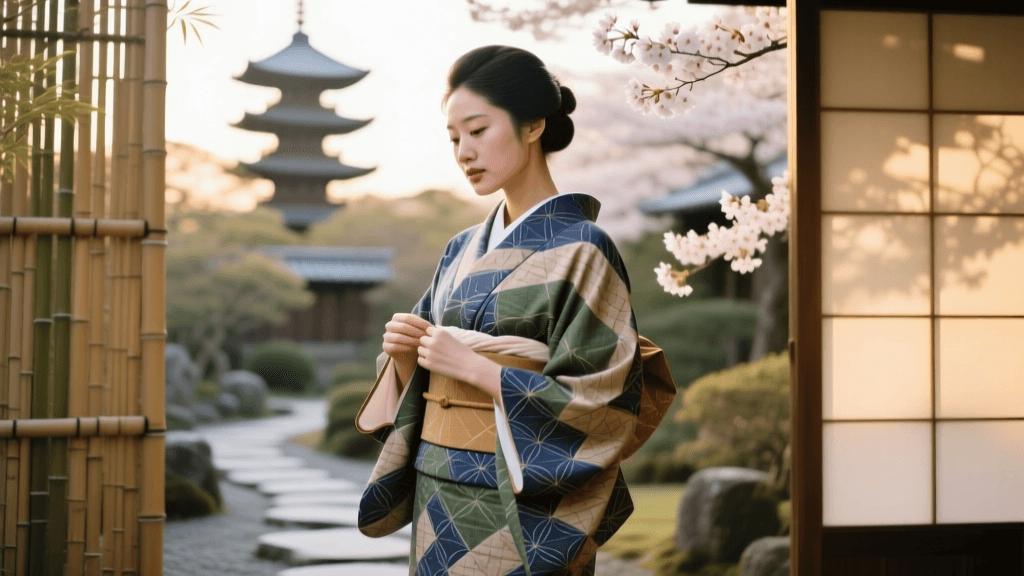
As we navigate through 2026, the Japanese kimono is experiencing an unprecedented global renaissance. No longer confined to ceremonial milestones or museum archives, traditional Japanese garments have firmly entered the contemporary wardrobe. Driven by a global pivot toward sustainable fashion, slow textiles, and heritage craftsmanship, enthusiasts and newcomers alike are embracing the intricate world of kitsuke (the art of wearing kimono). Whether you are exploring the bustling vintage markets of Kyoto or sourcing artisan pieces online, understanding the distinct types of Japanese garments is essential for building an authentic and versatile collection.
According to the Victoria and Albert Museum's comprehensive guide to Kimono, the evolution of these garments reflects centuries of socio-political shifts, aesthetic movements, and technological advancements in textile production. Today, the modern wearer must navigate a complex hierarchy of formality, fabric types, and seasonal motifs. This complete guide will break down the most prominent Japanese traditional garment types, offering actionable advice on styling, sourcing, and caring for your pieces in the modern era.
The Core Hierarchy of Japanese Kimono Types
The Japanese kimono ecosystem is governed by strict, yet deeply poetic, rules of formality. The appropriateness of a garment is dictated by its fabric, pattern placement, sleeve length, and family crest (kamon) count. Below, we explore the foundational types every collector and wearer should know.
Komon (Small Pattern): Everyday Elegance
Komon translates to "small pattern" and represents the most casual tier of silk kimono. These garments feature repeating motifs that cover the entire surface of the fabric, created using stencil dyeing techniques like kata-yuzen or edo-komon. In 2026, Komon remains the most popular entry point for international enthusiasts due to its versatility and lower price point on the vintage market.
Styling for 2026: Modern stylists frequently pair vintage Komon with minimalist, solid-colored Nagoya obi or even contemporary woven sashes. Because the patterns are repetitive and relatively subdued, Komon is acceptable for casual dining, theater outings, and everyday street wear. It is important to note that Komon does not typically feature family crests, cementing its status as informal attire.
Tsumugi (Pongee Silk): Rustic Luxury
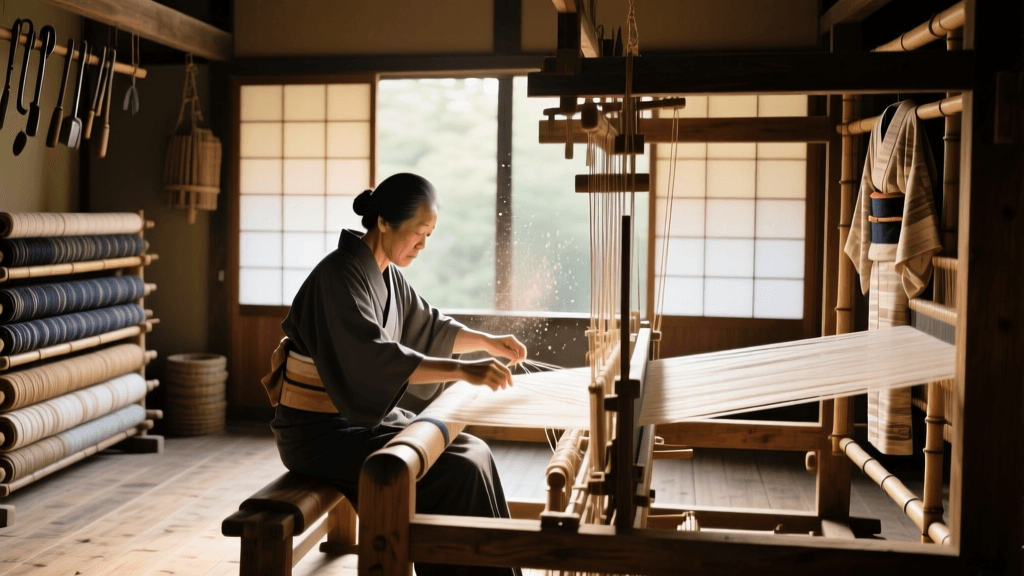
Tsumugi is a unique category of silk woven from the threads of wild or dupioni silkworms, resulting in a fabric with a distinct, slubbed texture. Unlike the glossy, refined silk of formal wear, Tsumugi possesses a matte, rustic elegance. The most famous variant, Oshima Tsumugi from Amami Oshima, utilizes a complex mud-dyeing process that yields deep, rich blacks and intricate geometric patterns.
The cultural significance of these weaving techniques is immense. In fact, the UNESCO Intangible Cultural Heritage lists Yuki Tsumugi silk-weaving as a protected global treasure, highlighting the painstaking hand-spinning and tie-dyeing methods that can take months to complete a single bolt of fabric. Despite being made of 100% silk, Tsumugi is classified as casual or "smart casual" wear in Japan, prized by connoisseurs for its understated luxury and incredible durability.
Houmongi (Visiting Wear): Semi-Formal Mastery
Houmongi translates to "visiting wear" and serves as the workhorse of semi-formal occasions. The defining characteristic of a Houmongi is the eba dyeing method, where the pattern is dyed across the seams so that it flows continuously like a single canvas when the kimono is laid flat. Motifs often include seasonal landscapes, flowing water, or elegant flora.
Houmongi can feature one to three family crests and is appropriate for weddings (as a guest), tea ceremonies, and formal parties. In 2026, we are seeing a surge in demand for mid-century vintage Houmongi, as collectors appreciate the bold, artistic patterns of the Showa era paired with modern, muted obi combinations.
Furisode (Swinging Sleeves): The Pinnacle of Formality
Furisode is the most formal kimono reserved exclusively for unmarried women. It is instantly recognizable by its exceptionally long, swinging sleeves (tamoto), which can measure up to 114 centimeters in length. Historically, the swinging sleeves were believed to ward off evil spirits and express romantic interest.
Today, Furisode is primarily worn during Seijin no Hi (Coming of Age Day) and by close female relatives at weddings. The garments are heavily decorated with auspicious motifs like cranes, pine trees, and peonies, often embellished with gold leaf (kinpaku) and intricate embroidery. Due to the high cost of new artisan Furisode, the 2026 market has seen a massive boom in rental services and specialized vintage restoration cooperatives in Tokyo and Kyoto.
2026 Kimono Market Trends & Pricing Guide
The landscape of acquiring traditional Japanese garments has shifted dramatically. With the 2026 Kyoto Sustainability Accord pushing artisan workshops to adopt closed-loop water systems for Yuzen dyeing, the cost of brand-new, artisan-crafted silk has risen. Conversely, the domestic "recycle" (vintage) market is more accessible than ever, supported by AI-assisted condition grading and global shipping platforms.
Below is a comprehensive pricing and sourcing table for the current market:
| Garment Type | Vintage Market (2026 USD) | New Artisan (2026 USD) | Formality Level | Best Sourcing Method in 2026 |
|---|---|---|---|---|
| Komon | $30 - $150 | $400 - $1,200 | Casual / Everyday | Tokyo Recycle Shops, Online Auctions |
| Tsumugi | $80 - $350 | $2,500 - $8,000 | Smart Casual / Rustic | Kyoto Antique Markets, Direct Weaver Co-ops |
| Houmongi | $150 - $600 | $3,500 - $12,000 | Semi-Formal | Certified Vintage Dealers, Estate Sales |
| Furisode | $200 - $900 | $6,000 - $18,000 | Formal (Unmarried) | Specialized Rental, High-end Vintage |
When sourcing vintage, always verify the presence of the shitate (tailoring) condition. Garments that have been recently cleaned and re-tailored command a premium but save the buyer months of restoration time.
Modern Kitsuke: Dressing & Accessories for 2026
Wearing a kimono requires a specific set of accessories, collectively known as kitsuke goods. The silhouette is created not by cutting the fabric to the body, but by padding and folding. In 2026, ergonomic dressing aids and breathable, sustainable padding materials have made the process significantly more comfortable for modern wearers.
- Obi: The sash that secures the kimono. The Nagoya obi (pre-folded and partially sewn) is the standard for casual and semi-formal wear, while the wide, opulent Fukuro obi is reserved for formal occasions.
- Obijime & Obiage: The decorative cord (obijime) and silk scarf (obiage) that secure and hide the knot of the obi. In 2026, contrasting colors and braided metallic threads are highly trending to add a contemporary pop to vintage silks.
- Tabi & Zori: Split-toe socks (tabi) and traditional sandals (zori). Modern 2026 collections feature washable, stretch-cotton tabi and zori with memory-foam insoles, bridging the gap between traditional aesthetics and modern orthopedic comfort.
- Haneri: The decorative collar attached to the undergarment (juban). Swapping out a haneri is the easiest way to change the entire mood of a kimono outfit without purchasing a new garment.
For those interested in the historical context of these accessories and how they evolved through the Edo and Meiji periods, the Metropolitan Museum of Art's Asian Art Department offers an extensive digital archive detailing the material culture of Japanese dress.
Sustainable Silk and Vegan Alternatives
A major talking point in the 2026 Asian traditions community is the rise of ethical alternatives. While authentic silk remains the gold standard for formal wear, several innovative Japanese textile startups have introduced high-grade, plant-based cellulose fibers that mimic the drape and sheen of chirimen (crepe silk). These vegan kimono are fully machine-washable, making them incredibly popular for summer festivals (matsuri) and casual streetwear styling. However, for tea ceremonies and weddings, natural silk and traditional Tsumugi remain strictly required by etiquette.
Care, Maintenance, and Storage
Proper care is vital to preserving the longevity of your garments. Traditional kimono are not washed at home. Instead, they undergo a specialized process called maru-arai (whole garment washing) using organic solvents, followed by shitate (re-tailoring) if the fabric has shifted.
For storage, avoid plastic bags, which trap moisture and cause devastating mold growth. In 2026, collectors utilize traditional tansu chests made of paulownia wood (kiri), which naturally regulates humidity and repels insects. If a wooden chest is not feasible, archival-grade, acid-free cardboard boxes with silica gel desiccants and natural camphor blocks are the recommended standard. Always air out your kimono on a specialized wooden rack (ikko) in a shaded, well-ventilated room for a few days each autumn and spring to prevent permanent crease lines and fiber degradation.
Conclusion
The world of Japanese traditional garments is vast, deeply symbolic, and more accessible today than ever before. Whether you are drawn to the rustic charm of a vintage Tsumugi or the elegant flow of a Houmongi, understanding the rules of formality and care ensures that these breathtaking textiles will continue to be worn and cherished for generations to come. Embrace the art of kitsuke, and let your wardrobe tell a story centuries in the making.