Japanese Traditional Garments Guide 2026: Kimono, Yukata & Hakama
The Renaissance of Japanese Traditional Wear in 2026
As we navigate through 2026, the global appreciation for Japanese traditional garments has evolved from mere historical fascination into a dynamic, living fashion ecosystem. Across Tokyo, Kyoto, and international cultural hubs, traditional dress is no longer confined to museums or strict ceremonial obligations. Instead, a new generation of artisans, designers, and wearers are reimagining the kimono, yukata, and hakama for contemporary life. According to the Victoria and Albert Museum's comprehensive study on the Kimono, the garment has always been a canvas for cultural exchange and innovation, a truth that remains vividly apparent in today's styling trends.
In 2026, the intersection of heritage craftsmanship and modern convenience has never been more pronounced. Innovations in textile engineering have introduced washable silk blends and climate-adaptive cottons, making traditional wear more accessible for daily use and international travel. Whether you are a collector of vintage textiles, a traveler preparing for a Japanese cultural immersion, or a fashion enthusiast looking to integrate structured silhouettes into your wardrobe, understanding the distinct types of Japanese garments is essential. This complete guide breaks down the core garments, their modern applications, and the practicalities of sourcing and maintaining them today.
Decoding the Kimono: Formality, Fabric, and Function
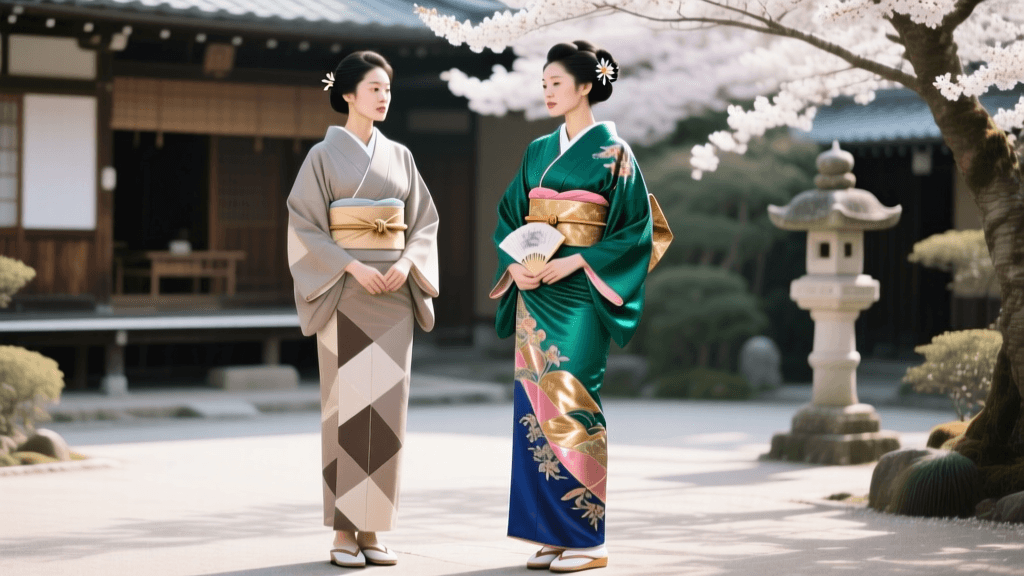
The kimono, literally translating to 'thing to wear,' is the foundational garment of Japanese traditional dress. As noted by Encyclopedia Britannica's historical overview of Japanese dress, the kimono's T-shaped, straight-lined structure is deceptively simple, relying entirely on the method of wrapping, the choice of fabric, and the accompanying accessories to denote the wearer's age, marital status, and the formality of the occasion.
Furisode and Tomesode: The Pinnacle of Formality
The Furisode is the most formal kimono for unmarried women, instantly recognizable by its long, swinging sleeves that can measure up to 114 centimeters in length. In 2026, the Furisode remains the undisputed choice for Coming of Age Day (Seijin no Hi) and formal weddings. Modern styling has seen a shift toward bold, asymmetrical patterns and metallic thread work that catches the light in contemporary event spaces. Conversely, the Kurotomesode (black with crests) and Irotomesode (colored with crests) are the most formal options for married women, typically worn by close relatives at weddings. The patterns on a Tomesode are strictly confined to the lower half of the garment below the waist, offering a refined, grounded elegance.
Homongi and Komon: Versatile Elegance
For semi-formal occasions, the Homongi (visiting wear) is highly versatile. Unlike the Tomesode, the Homongi features patterns that flow continuously across the seams, draping beautifully over the shoulders and sleeves. It is appropriate for both married and unmarried women attending tea ceremonies, gallery openings, or upscale dinners. On the more casual end of the spectrum is the Komon, characterized by small, repeating patterns covering the entire garment. The Komon is the everyday kimono of the modern era, frequently paired with a simple Nagoya obi for a casual lunch, a theater outing, or a stroll through historic districts like Kanazawa or Kyoto.
Yukata and Jinbei: Summer Staples for the Modern Era
When the humid Japanese summer arrives, the heavy silks are swapped for breathable cottons and linens. The Yukata is a lightweight, unlined kimono originally worn as a bathrobe in the Edo period but now the standard attire for summer fireworks festivals (hanabi) and bon odori dances. In 2026, yukata designs have expanded dramatically. While traditional indigo and white motifs remain popular, contemporary brands are releasing yukata featuring abstract geometric prints, pop-culture collaborations, and muted, earthy tones that appeal to minimalist fashion sensibilities.
For an even more relaxed, gender-neutral option, the Jinbei has surged in popularity. Consisting of a short-sleeved top and matching shorts, the Jinbei is traditionally worn at home or at local neighborhood festivals. Recently, high-end Japanese lifestyle brands have elevated the Jinbei using premium Kurume kasuri cotton and modern tailoring, making it an acceptable and highly comfortable choice for casual summer travel and resort wear.
Hakama and Haori: Structure, Layering, and Gender Fluidity
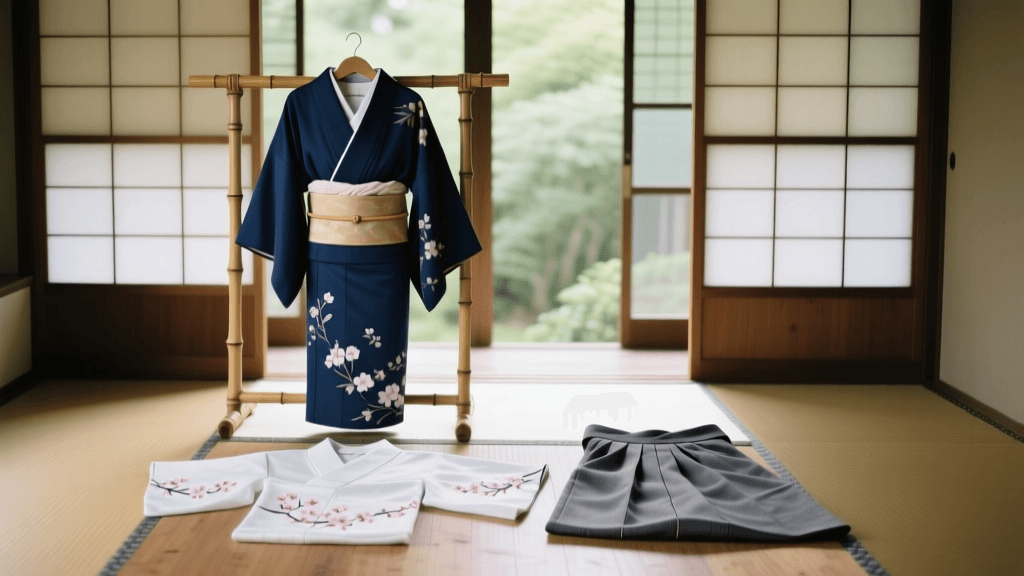
The Hakama is a pleated, divided skirt (umanori) or undivided skirt (andon) worn over a kimono. Historically associated with samurai and male nobility, the hakama is now widely worn by women for university graduation ceremonies and by practitioners of martial arts like kendo and aikido. In 2026, the hakama has also found its way into avant-garde street fashion, with designers pairing pleated hakama trousers with modern knitwear and structured blazers, blurring the lines between traditional and contemporary menswear and womenswear.
The Haori is a hip- or thigh-length jacket worn open over the kimono. It adds a layer of warmth and formality. Vintage haori from the mid-20th century are currently dominating the global secondhand market, prized for their intricate inner linings (uragawa) and bold crests. In modern styling, haori are frequently worn as statement outerwear over Western clothing, such as a silk haori draped over a simple turtleneck and tailored trousers, serving as a bridge between Eastern heritage and Western silhouettes.
The Obi and Footwear: Completing the Silhouette
No kimono is complete without the Obi, the wide sash that secures the garment. The type of obi dictates the formality of the outfit. The Fukuro obi is long, wide, and heavily brocaded, reserved for formal kimono like the Furisode and Homongi. The Nagoya obi is pre-folded and sewn to make tying simpler, ideal for semi-formal and casual wear. In 2026, magnetic obi clips and pre-tied obi (tsuke-obi) have become incredibly sophisticated, allowing wearers to achieve complex, traditional-looking knots like the taiko musubi in seconds without the need for rigorous kitsuke (dressing) training.
Footwear is equally important. Zori are flat, thonged sandals made of vinyl, leather, or brocade, worn with split-toe socks (tabi) for formal and semi-formal occasions. Geta are wooden sandals with elevated teeth, traditionally paired with the yukata to keep the hem clean during summer festivals. Modern iterations of tabi and geta now feature ergonomic insoles and weather-resistant materials, catering to the practical needs of modern urban environments.
2026 Buyer's Guide: Pricing, Rentals, and Custom Tailoring
Navigating the market for Japanese traditional garments requires an understanding of current pricing and sourcing options. Whether you are looking to rent for a single day or invest in a bespoke piece, the 2026 market offers diverse pathways. Below is a comparative breakdown of average costs and use cases in Japan as of this year.
| Garment Type | 2026 Rental Cost (1 Day) | 2026 Purchase Cost (New) | Primary Occasion |
|---|---|---|---|
| Yukata (Standard) | ¥3,000 - ¥5,000 | ¥8,000 - ¥25,000 | Summer festivals, casual travel |
| Komon (Casual Silk) | ¥5,000 - ¥8,000 | ¥50,000 - ¥150,000 | Dining out, theater, casual events |
| Homongi (Semi-Formal) | ¥10,000 - ¥20,000 | ¥200,000 - ¥500,000 | Tea ceremonies, weddings (guest) |
| Furisode (Formal) | ¥15,000 - ¥35,000 | ¥300,000 - ¥1,000,000+ | Coming of Age Day, formal hosting |
| Hakama Set (Graduation) | ¥8,000 - ¥15,000 | ¥100,000 - ¥300,000 | University graduation, martial arts |
Note: Prices are approximate and vary based on brand, textile origin, and artisan prestige. Rental packages typically include basic dressing services and footwear.
Modern Care: Preserving Silk and Cotton in 2026
The longevity of a traditional garment relies heavily on proper maintenance. Traditional silk kimono are typically cleaned using a specialized solvent process called maru-arai, where the garment is washed whole without being taken apart. In 2026, eco-friendly dry cleaning alternatives and advanced ozone treatment chambers are increasingly used by specialist cleaners in Tokyo and Kyoto to remove odors and bacteria without degrading delicate metallic threads or natural dyes.
For collectors of heritage textiles, understanding the provenance of the weave is vital. For instance, garments made using techniques recognized by the UNESCO Intangible Cultural Heritage registry on Yuki-tsumugi silk weaving require highly specific humidity controls and storage away from direct UV light to preserve the unique tension and luster of the hand-spun silk floss. When storing kimono at home, they should be folded along their original seam lines and wrapped in acid-free washi paper or specialized cotton covers (tatou-shi), avoiding plastic bags which can trap moisture and lead to mold growth.
Conclusion
The landscape of Japanese traditional garments in 2026 is a testament to the enduring adaptability of cultural heritage. From the sweeping elegance of a silk Furisode to the relaxed comfort of a linen Jinbei, these garments offer profound connections to history while remaining deeply relevant to modern aesthetics. By understanding the distinct types, appropriate contexts, and modern care techniques, enthusiasts and newcomers alike can respectfully and stylishly integrate these magnificent textiles into their contemporary wardrobes.