Japanese Traditional Garments Guide 2026: Types & Care
The Enduring Legacy of Japanese Garments in 2026
The landscape of Japanese traditional garments has evolved beautifully by 2026, blending centuries-old sartorial rules with modern textile innovations and global fashion sensibilities. While the Western suit and casual wear dominate daily life in Tokyo and Osaka, traditional Japanese clothing remains a vital, living art form. From the vibrant streets of Kyoto during the Gion Matsuri to modern wedding ceremonies and university graduations, garments like the kimono, yukata, and hakama continue to signify cultural pride, seasonal awareness, and meticulous craftsmanship.
For enthusiasts, collectors, and travelers looking to understand or wear these garments, navigating the strict rules of formality, fabric, and fit can be daunting. According to the Metropolitan Museum of Art's historical timeline of the kimono, the T-shaped robe has undergone continuous refinement since the Heian period, eventually becoming the highly codified garment we recognize today. This comprehensive 2026 guide breaks down the primary types of Japanese traditional wear, modern sizing techniques, and essential care practices to help you build or appreciate a traditional wardrobe.
The Kimono: Anatomy, Types, and Formality
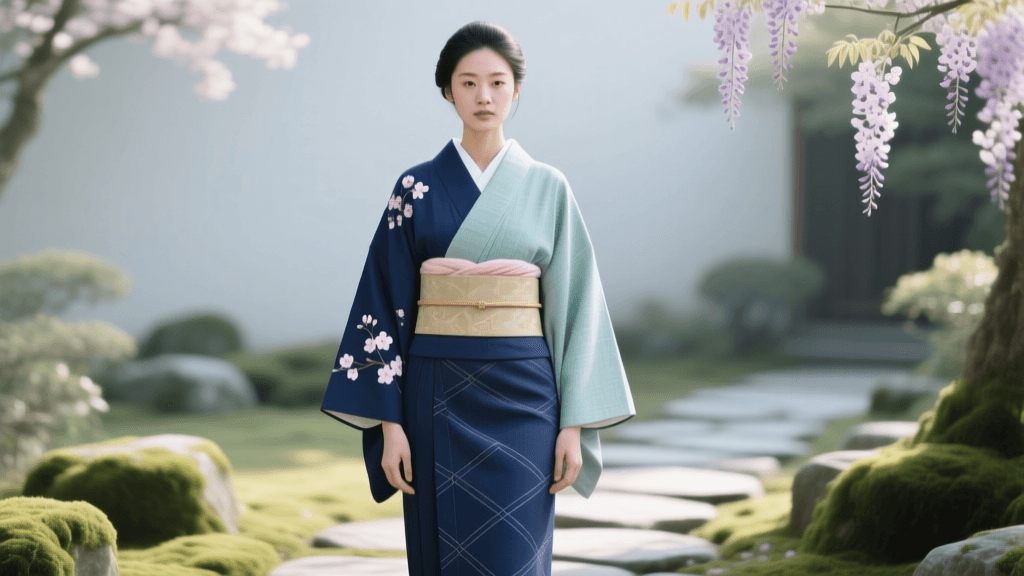
The word 'kimono' literally translates to 'thing to wear' (ki = wear, mono = thing). However, in modern contexts, it refers specifically to the formal, T-shaped, straight-lined robes worn with an obi (sash). The formality of a kimono is dictated by its fabric, pattern placement, color, and the number of family crests (kamon) it bears.
Furisode and Tomesode: Peak Formality
The Furisode is the most formal kimono for unmarried women, instantly recognizable by its long, flowing sleeves that can measure up to 114 centimeters in length. Often worn during Coming of Age Day (Seijin no Hi) ceremonies, a high-quality silk furisode in 2026 typically costs between $2,500 and $6,000 USD, featuring elaborate hand-painted or yuzen-dyed motifs. Conversely, the Tomesode is the most formal wear for married women. It features shorter sleeves and patterns that are strictly confined to the area below the waist, usually accompanied by one to five family crests along the collar and back.
Homongi and Komon: Versatile Elegance
The Homongi (visiting wear) bridges the gap between high formality and everyday elegance. Its defining characteristic is the 'eba' pattern, which flows seamlessly across the seams when the garment is laid flat. It is appropriate for tea ceremonies, weddings, and formal parties. On the more casual end of the spectrum is the Komon, characterized by small, repeating patterns covering the entire fabric. Komon are perfect for dinner dates, theater outings, and casual urban strolling. In 2026, the rise of 'washable silk' and high-grade polyester blends has made Komon more accessible, with entry-level authentic sets starting around $350 to $500 USD.
The Yukata: Casual Summer Elegance
The Yukata is a lightweight, unlined garment traditionally made of cotton or hemp, designed specifically for the sweltering Japanese summer. Originally worn as a bathrobe by the aristocracy during the Heian period, it evolved into the standard attire for summer festivals (matsuri) and fireworks displays. Unlike the kimono, the yukata is worn directly over basic undergarments, bypassing the need for the complex nagajuban (under-kimono).
In 2026, yukata fashion has seen a massive resurgence among younger demographics, driven by bold, modern graphic prints, asymmetrical hemlines, and two-piece 'quick-wear' yukata sets that eliminate the difficulty of traditional obi tying. A standard cotton yukata set, complete with a half-width obi and geta (wooden sandals), can be purchased for $80 to $150 USD at major retailers or specialized online boutiques.
Hakama and Haori: Structure and Outerwear
While the kimono and yukata are the foundational robes, traditional Japanese wardrobes rely heavily on structural outerwear and trousers to complete the silhouette.
- Hakama: These are wide, pleated trousers worn over a kimono. Historically worn by samurai to protect their legs while riding horses, today they are standard attire for university graduation ceremonies, Shinto priests, and martial arts practitioners (such as in kendo and aikido). Women typically wear the 'andon' style (a skirt-like tube), while men wear the 'umanori' style (divided trousers).
- Haori: A hip-length or thigh-length jacket worn open over the kimono. The haori adds a layer of warmth and formality. In 2026, vintage men's haori featuring intricate, hidden silk linings have become highly sought-after streetwear items globally, often styled over modern turtlenecks and tailored trousers.
2026 Japanese Garment Comparison Chart
To help you choose the right garment for your needs, refer to this quick comparison chart detailing formality, materials, and current market pricing.
| Garment Type | Formality Level | Primary Fabric | 2026 Avg. Cost (USD) | Best Season / Occasion |
|---|---|---|---|---|
| Furisode | Very High (Unmarried Women) | Heavy Silk / Crepe | $2,500 - $6,000+ | Winter/Spring, Coming of Age |
| Tomesode | Very High (Married Women) | Silk / Brocade | $1,800 - $4,500 | All Seasons, Weddings |
| Homongi | High / Semi-Formal | Silk / Washable Silk | $600 - $2,000 | All Seasons, Tea Ceremonies |
| Komon | Casual / Everyday | Silk / Linen / Poly | $350 - $800 | Spring/Autumn, Dining Out |
| Yukata | Very Casual | Cotton / Hemp | $80 - $150 | Summer, Festivals, Onsen |
| Hakama | Formal / Ceremonial | Polyester / Silk Blend | $120 - $400 | Spring, Graduations, Martial Arts |
Sizing, Measurements, and the Art of Kitsuke
Unlike Western clothing, traditional Japanese garments are not sized by Small, Medium, or Large. Instead, they are measured by specific bodily dimensions, primarily the Yuki (the distance from the center of the back of the neck, over the shoulder, to the wrist) and the Mitake (the back length from the base of the neck to the ankle).
The magic of kimono sizing lies in the Ohashori—the horizontal tuck folded at the waist when securing the obi. Because kimono are cut in straight lines from single bolts of fabric (tanmono), the ohashori allows a single garment to fit a range of heights. When purchasing a vintage or ready-made kimono in 2026, ensure the garment's total length is at least 20 to 30 centimeters longer than your floor-to-shoulder measurement to allow for a proper, elegant ohashori fold.
The art of dressing in these garments is known as Kitsuke. While mastering the intricate Taiko musubi (drum knot) for a formal obi can take months of practice, the 2026 market offers incredible 'tsuke-obi' (pre-tied obi) and silicone dressing aids that allow beginners to achieve a flawless, professional silhouette in under ten minutes.
Modern Purchasing, Pricing, and Care in 2026
Acquiring traditional Japanese garments has never been easier, thanks to a booming global market for both new, sustainably produced textiles and meticulously maintained vintage pieces. For travelers and enthusiasts looking to experience these garments firsthand, Japan Guide's overview of traditional clothing offers excellent regional recommendations for rental shops and artisan districts in Kyoto and Kanazawa. Meanwhile, the Victoria and Albert Museum's extensive kimono archives highlight the historical significance and global influence of these textiles, inspiring many modern buyers to seek out authentic, historically accurate patterns.
Essential Care and Storage Practices
Proper care is paramount to preserving the structural integrity and vibrant dyes of traditional Japanese garments. Follow these 2026 best practices for maintenance:
- Airing Out: Never store a worn kimono immediately. Hang it on a specialized wide kimono hanger (emono) in a shaded, well-ventilated area for 24 to 48 hours to allow moisture and odors to dissipate.
- Tatou Paper: Always wrap silk garments in acid-free 'tatou' paper before placing them in storage. Never use plastic bags, as they trap humidity and promote mold growth, which can destroy silk fibers within weeks.
- Climate Control: If you live in a humid climate, store your garments in a cedar chest (tansu) or a climate-controlled closet with silica gel desiccants. Maintain a relative humidity of around 50%.
- Professional Cleaning: Authentic silk kimono should never be machine washed or dry-cleaned with standard Western chemicals. Seek out specialized 'arai-hari' services, where the garment is carefully unpicked, washed, stretched, and resewn by master artisans.
'To wear a kimono is to wear the seasons. The fabric, the motif, and the color must all reflect the exact moment in nature you are inhabiting.' — Kyoto Kitsuke Master, 2025 Symposium on Traditional Arts.
Whether you are investing in a formal silk Homongi for a tea ceremony, picking up a breezy cotton Yukata for a summer matsuri, or integrating a vintage Haori into your modern streetwear rotation, understanding the nuances of Japanese traditional garments enriches the experience. By respecting the history, mastering the measurements, and employing modern care techniques, you ensure these magnificent garments continue to thrive in the modern era.