Kimono, Yukata & Hakama: 2026 Japanese Garment Guide
The Evolution of Japanese Traditional Garments in 2026
As we navigate through 2026, the landscape of Japanese traditional garments, collectively known as wafuku, has reached a fascinating intersection of heritage preservation and modern innovation. Driven by a global interest in sustainable fashion and the meticulous artistry of textile history, garments like the kimono, yukata, and hakama are no longer relegated solely to rigid ceremonial obligations. According to the Victoria and Albert Museum, the structural genius of the kimono lies in its zero-waste, straight-line cutting method, a concept that deeply resonates with today's eco-conscious consumers and slow-fashion advocates. This complete guide explores the defining characteristics, modern styling nuances, and practical purchasing advice for Japanese traditional garments in 2026.
The Kimono: Japan’s Iconic T-Shaped Robe
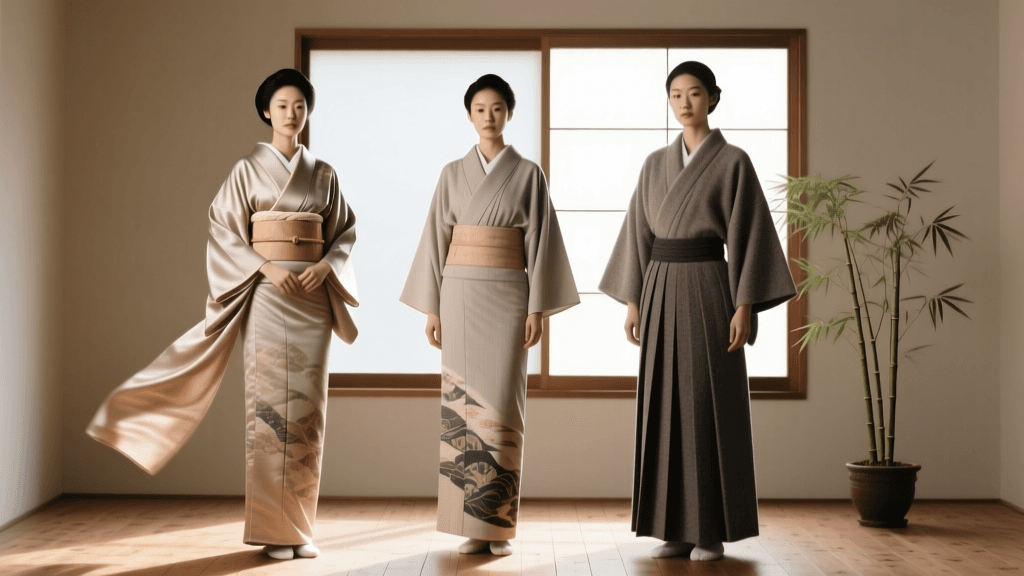
The kimono (literally translating to "thing to wear") is the cornerstone of Japanese sartorial tradition. In 2026, the market is distinctly bifurcated into vintage upcycling and contemporary artisanal weaving. The anatomy of a kimono remains largely unchanged from the Edo period: the okumi (front panels), sode (sleeves), and eri (collar) are assembled from straight bolts of fabric known as tanmono. This construction allows the garment to be easily disassembled, cleaned, and resewn, ensuring a lifespan that often spans multiple generations.
Furisode and Tomesode: The Pinnacle of Formality
The furisode is the most formal kimono for unmarried women, characterized by swinging sleeves that can reach up to 114 centimeters in length. In 2026, rental shops in Kyoto and Tokyo report that bold, asymmetrical floral motifs dyed using traditional yuzen techniques are highly sought after for Coming of Age Day (Seijin no Hi). Conversely, the tomesode is the formal equivalent for married women. The kuro-tomesode (black with five family crests) is the pinnacle of formality, worn primarily by the mothers of the bride and groom at weddings, featuring intricate hem patterns that balance the austere black silk.
Komon and Tsumugi: Everyday Elegance
For less formal occasions, the komon features repeating patterns dyed across the entire garment, making it perfect for casual outings, tea ceremonies, or theater visits. The tsumugi, woven from slubbed silk threads (often from broken cocoons), offers a rustic, textured aesthetic that is highly prized in 2026 for its understated luxury and comfort. While historically considered peasant wear, tsumugi is now a favorite among textile connoisseurs for its incredible durability and subtle, complex patterns.
The Yukata: Summer Festivals and Modern Comfort
Originally a bathrobe for the nobility during the Heian period, the yukata has evolved into the quintessential summer festival garment. Unlike the multi-layered kimono, the yukata is unlined and traditionally made of lightweight cotton. However, 2026 has introduced innovative cotton-linen and moisture-wicking synthetic blends designed to combat Japan's increasingly intense summer humidity. The Japan National Tourism Organization frequently highlights yukata-wearing as a top cultural activity for visitors attending summer matsuri (festivals) and fireworks displays. A key styling trend in 2026 is the "two-piece" yukata, which separates the skirt and top for effortless dressing, appealing to younger demographics and international tourists who may struggle with traditional wrapping techniques.
Hakama: Pleated Trousers and Ceremonial Elegance
The hakama is a pleated, divided skirt or wide-legged trouser worn over a kimono. While historically associated with samurai and martial artists, it holds a special place in modern academia and Shinto rituals. For women, the andon-bakama (lantern hakama, which is undivided like a skirt) is the standard attire for university graduation ceremonies in March. Men typically wear the umanori-bakama (horse-riding hakama, which is divided) for formal events, tea ceremonies, or martial arts like kendo and aikido. The seven deep pleats of the hakama are said to represent the seven virtues of the samurai: courage, humanity, justice, courtesy, honesty, honor, and loyalty.
Outerwear: Haori and Michiyuki
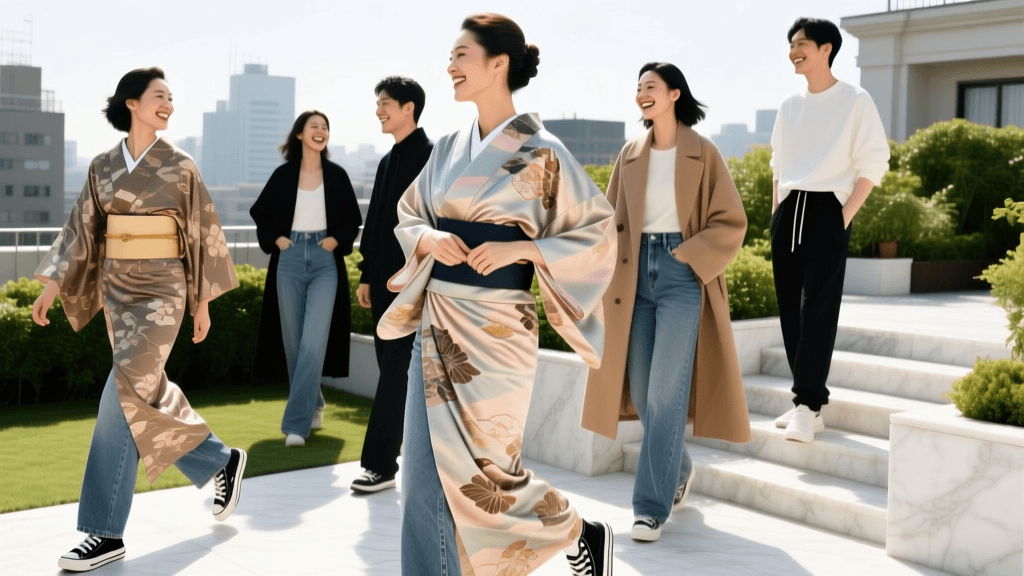
In the colder months of 2026, layering is essential for both warmth and aesthetic depth. The haori is a hip- or thigh-length kimono-style jacket worn open over the main garment. Originally a menswear item, it was adopted by women in the early 20th century and is now a staple of gender-neutral fashion, often worn over modern clothing like jeans and turtlenecks by avant-garde streetwear enthusiasts. The michiyuki is a three-quarter length overcoat with a distinctive square neckline, designed specifically for outdoor wear to protect the delicate silk kimono from the elements. Modern 2026 interpretations often feature water-resistant synthetic blends, bridging the gap between historical aesthetics and practical urban commuting.
The Art of the Obi: Tying it All Together
The obi is not merely a belt; it is a structural necessity and a canvas for artistic expression. A standard women's fukuro obi can be over 4 meters long and is often woven with gold and silver threads. In 2026, the otaiko musubi (drum knot) remains the most ubiquitous and elegant choice for married women, while the bunko musubi (bow knot) is favored by younger, unmarried women. For men, the kaku obi is a stiff, narrow sash tied in a simple, understated knot at the back or front, depending on the formality of the occasion. Pre-tied tsuke-obi have also seen a massive surge in popularity, utilizing hidden clips and wires to maintain perfect shape without the need for complex tying skills.
2026 Comparison Chart: Kimono vs. Yukata vs. Hakama
| Garment | Formality Level | Primary Fabric (2026) | Typical Occasion | Avg. Rental / Purchase Price |
|---|---|---|---|---|
| Kimono (Furisode) | Very Formal | Silk, Nishijin-ori | Coming of Age, Weddings | ¥15,000 Rental / ¥500,000+ Buy |
| Kimono (Komon) | Casual / Semi-Formal | Silk, Wool, Polyester | Tea Ceremony, Dining, Theater | ¥8,000 Rental / ¥5,000+ Vintage |
| Yukata | Casual | Cotton, Linen-blends | Summer Festivals, Ryokan | ¥5,000 Rental / ¥4,000+ Buy |
| Hakama (Women's) | Formal / Academic | Polyester, Silk-blend | Graduations, Shinto Rituals | ¥10,000 Rental / ¥25,000+ Buy |
Sourcing, Pricing, and Rentals in 2026
Purchasing a brand-new, hand-woven silk kimono from a prestigious district like Nishijin in Kyoto can cost anywhere from ¥300,000 to over ¥1,000,000 ($2,000 to $6,500+ USD) in 2026. Consequently, the vintage market has exploded in popularity. Thrift stores in Tokyo's Shimokitazawa and Kyoto's Toji Temple flea market offer stunning mid-century silk komon for as little as ¥5,000 ($35 USD). For tourists and those attending single events, rental services remain the most practical option. A premium 2026 kimono rental package—including professional dressing services, hair styling, and accessories—averages ¥8,000 to ¥15,000 ($55 to $100 USD) for the day.
Accessories and Footwear
No traditional Japanese ensemble is complete without the proper accessories. Footwear consists of zori (formal sandals with a flat base, often covered in brocade or vinyl) or geta (wooden clogs, typically paired with yukata). Both are worn with tabi, the iconic split-toed socks. Modern 2026 iterations of tabi often feature stretch fabrics, reinforced soles, and even thermal lining for winter wear, making them highly practical for urban walking on asphalt. Additionally, the koshihimo (waist ties) and datejime (under-sashes) are crucial internal accessories that keep the garment securely in place without the use of buttons or zippers.
Care and Maintenance
The straight-seam construction of the kimono allows it to be entirely disassembled, washed, and re-sewn—a traditional process known as maru-arai. While this method is still offered by specialized artisans, most modern wearers in 2026 rely on specialized dry cleaners who understand the delicate nature of silk and metallic threads. For everyday maintenance, airing out the garment in the shade and using acid-free tatou-shi paper for storage remains the gold standard to prevent yellowing and moisture damage. The Kyoto Costume Institute emphasizes that proper climate control and avoiding direct sunlight are paramount for preserving the structural integrity and vibrant dyes of historical textiles.