Japanese Garments Guide 2026: Kimono, Yukata & Hakama
The Renaissance of Japanese Traditional Garments in 2026
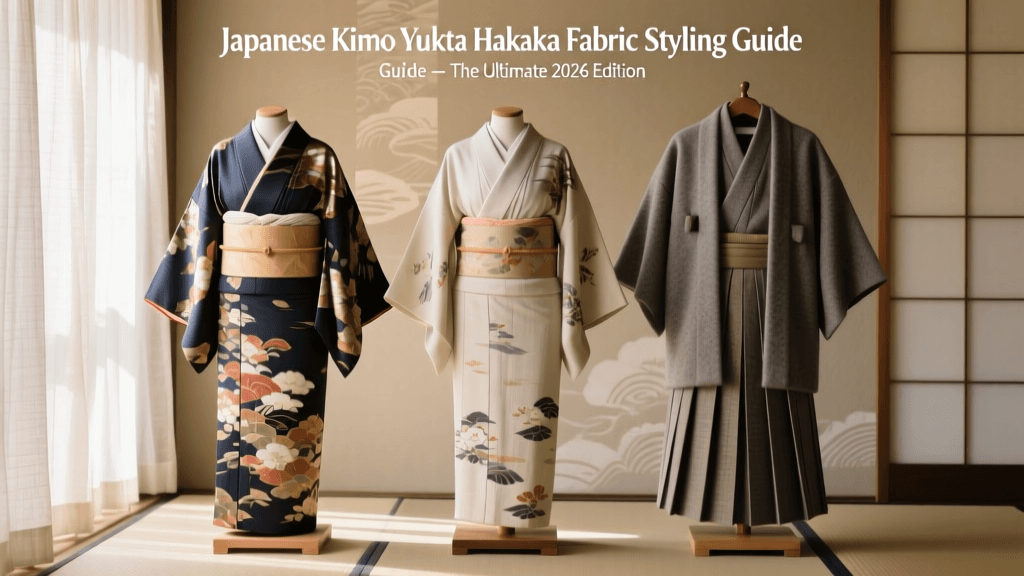
As the global fashion industry pivots heavily toward sustainability, artisanal heritage, and slow fashion in 2026, Japanese traditional garments have experienced a massive renaissance. No longer confined strictly to tea ceremonies, weddings, or coming-of-age festivals, garments like the kimono, yukata, and hakama are being integrated into modern streetwear, global editorial fashion, and sustainable capsule wardrobes. Understanding the distinct differences between these iconic garments is essential for any enthusiast, collector, or modern stylist looking to honor their cultural roots while embracing contemporary aesthetics.
According to the Victoria and Albert Museum, the fundamental T-shaped, straight-lined construction of Japanese dress has remained remarkably consistent for centuries, yet the ways in which we style, source, and care for these textiles have evolved dramatically. This comprehensive guide will break down the core types of Japanese traditional wear, offering actionable advice on fabrics, modern styling, and sourcing authentic pieces in 2026.
The Kimono: The Formal Foundation
The word 'kimono' literally translates to 'thing to wear' (ki = wear, mono = thing). It is the most formal and complex of Japanese garments, characterized by its intricate layering, silk fabrics, and the elaborate tying of the 'obi' (sash). In 2026, the kimono remains a symbol of high craftsmanship, with vintage and upcycled silk kimono leading the sustainable fashion market.
Key Kimono Types
- Furisode: The most formal kimono for unmarried women, instantly recognizable by its long, swinging sleeves (often exceeding 100cm in length). It is heavily patterned and typically worn for coming-of-age ceremonies or formal weddings.
- Homongi: Translating to 'visiting wear,' this is a formal kimono for both married and unmarried women. The defining feature is the 'eba' pattern, which flows seamlessly across the seams when the garment is laid flat.
- Komon: The everyday, casual kimono featuring a repeating pattern. In 2026, Komon are the most popular entry point for international buyers and modern stylists due to their versatility and lower price point.
- Tomesode: The most formal kimono for married women, featuring a solid color (usually black) on the top half and a continuous, elaborate pattern only on the lower half below the waist.
Fabric Innovations and Pricing
While traditional silk (shoken) remains the gold standard, 2026 has seen a surge in high-quality washable silks and recycled polyester blends designed to mimic the drape and sheen of Nishijin-ori brocades. A brand-new, hand-painted silk Homongi can easily cost upwards of $3,000 to $8,000 USD. However, the thriving vintage market in districts like Tokyo's Shimokitazawa and Kyoto's Higashiyama allows buyers to source high-quality, pre-loved silk Komon for $50 to $150 USD.
The Yukata: Summer Festivals and Casual Elegance
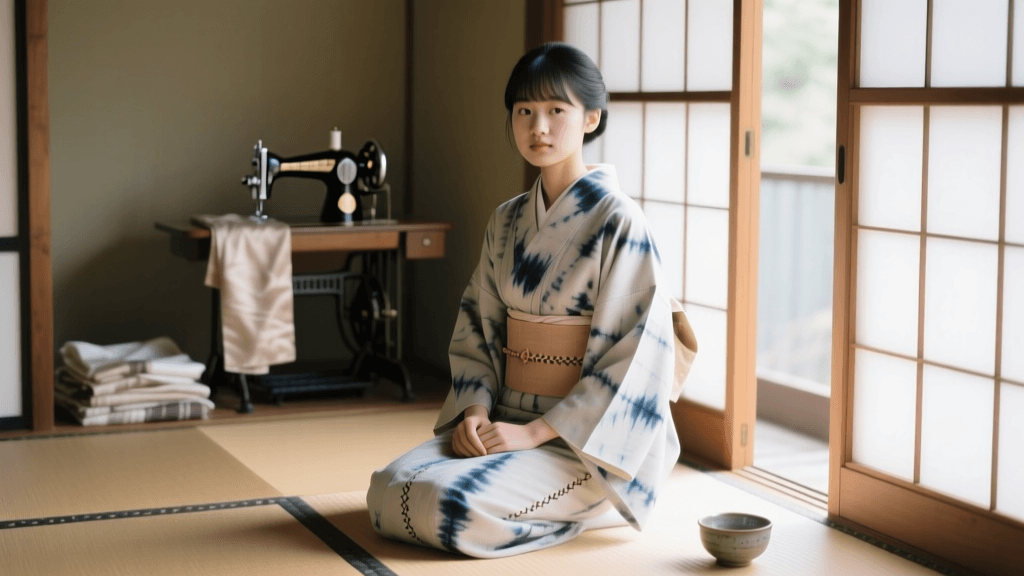
Originally designed as a cotton bathrobe for the nobility during the Heian period, the yukata has evolved into the quintessential summer garment. Made from lightweight, breathable cotton or hemp blends, the yukata is unlined and worn directly over basic undergarments (hada-juban).
In 2026, the yukata is the undisputed king of summer 'matsuri' (festivals) and fireworks displays. Modern textile artisans are pushing boundaries with digital printing techniques that allow for hyper-detailed, contemporary motifs—ranging from minimalist geometric shapes to pop-culture collaborations—while maintaining the traditional 'chugata' (medium-sized pattern) aesthetic.
Styling the Yukata
Unlike the kimono, which requires a complex array of accessories (obiage, obijime, koshihimo), the yukata is relatively simple to don. It is typically paired with a 'hanhaba obi' (half-width sash) and 'geta' (wooden clogs). A major 2026 styling trend involves pairing yukata with modern minimalist accessories, such as structured leather handbags and sleek, flat leather sandals, bridging the gap between traditional festival wear and contemporary summer resort fashion.
The Hakama: Pleats, Posture, and Modern Streetwear
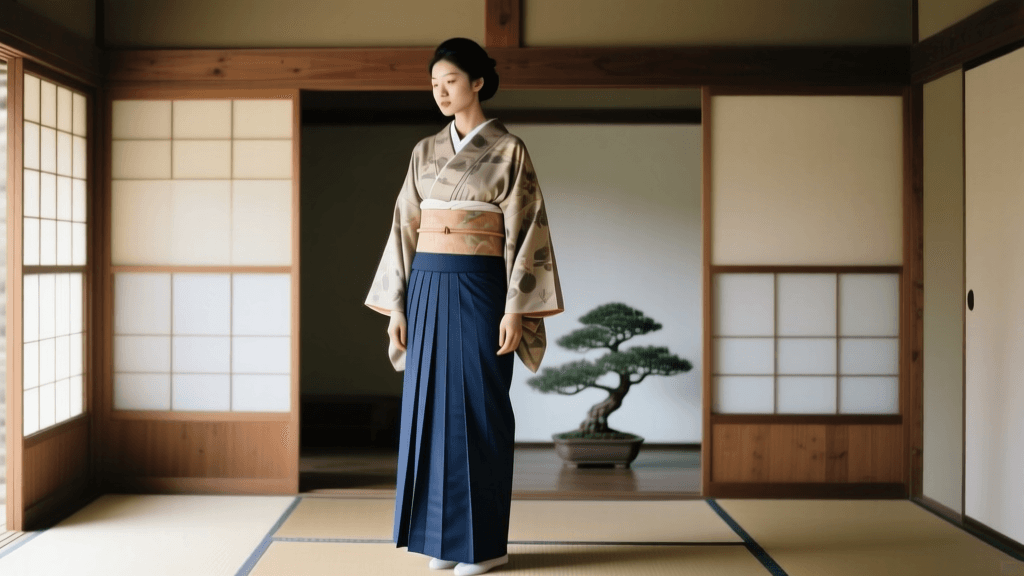
The hakama is a pleated, wide-legged garment worn over a kimono. Historically worn by samurai to protect their legs while riding horses and to obscure their footwork in combat, the hakama carries deep philosophical weight. The traditional seven pleats are said to represent the seven virtues of the samurai, including courage, justice, and loyalty.
Types of Hakama
- Umanori-bakama: The 'horse-riding' hakama, which is divided into two legs, resembling wide trousers. This is the standard for martial arts such as Kendo and Aikido.
- Andon-bakama: The 'lantern' hakama, which is undivided and functions like a pleated skirt. This is the preferred style for women's graduation ceremonies and formal tea ceremonies.
In the contemporary 2026 fashion landscape, the hakama has been heavily adopted by avant-garde streetwear brands. Stylists are frequently pairing black or navy cotton hakama with chunky lace-up boots, oversized knitwear, and modern trench coats, creating a striking silhouette that honors Japanese heritage while remaining fiercely modern.
Garment Comparison Chart (2026)
| Garment | Formality | Primary Fabric | Best Season | 2026 Avg. Starter Price (USD) |
|---|---|---|---|---|
| Kimono (Komon) | Semi-Formal / Casual | Silk / Washable Silk | Spring / Autumn | $60 - $250 (Vintage) |
| Kimono (Furisode) | Highly Formal | Heavy Silk Brocade | Winter / Spring | $400 - $1,500+ |
| Yukata | Casual | Cotton / Hemp Blend | Summer | $40 - $120 (New) |
| Hakama | Formal / Martial | Polyester / Silk / Cotton | Year-Round | $80 - $300 |
Sourcing Authentic Garments in 2026
For international buyers, sourcing authentic Japanese garments has never been more accessible, yet it requires a discerning eye. The Japanese Ministry of Economy, Trade and Industry (METI) continues to rigorously certify 'Traditional Craft Products' (Dento Kogeihin), ensuring that textiles labeled as authentic Nishijin-ori or Kaga-yuzen meet strict regional and artisanal standards.
When shopping online in 2026, look for sellers who provide detailed measurements in centimeters—specifically the 'yuki' (sleeve-to-center-back length) and 'mitake' (back length). A common mistake for Western buyers is purchasing a kimono that is too short; ideally, the hem should fall precisely at the ankle bone. For those seeking sustainable options, the 'remake' kimono market—where damaged vintage silks are upcycled into modern two-piece sets, jackets, or tote bags—is booming on platforms like Etsy and specialized Japanese proxy services.
Modern Styling and Footwear
The rules of kitsuke (the art of wearing kimono) are relaxing in non-ceremonial settings. In 2026, it is entirely acceptable to wear a casual Komon kimono with a modern turtleneck underneath during the winter, replacing the traditional 'nagajuban' (under-kimono). Footwear has also seen a modern overhaul; while 'zori' (formal sandals) and 'geta' (wooden clogs) remain standard for festivals, many modern wearers pair casual kimono and hakama with leather oxfords, Chelsea boots, or even clean, minimalist sneakers for a high-low fashion statement.
Care, Storage, and Maintenance
Proper care is vital to preserving the integrity of these textiles. Silk kimono should never be washed at home. Instead, they require specialized 'maru-arai' (dry cleaning) by professionals who understand how to handle delicate silk dyes and gold-leaf embroidery. Between cleanings, kimono should be unfolded and aired out in a shaded, well-ventilated area to prevent moisture buildup and mold.
For storage, avoid wire hangers, which will distort the shoulder seams. Kimono should be folded along their natural seams and wrapped in 'tatoushi' (acid-free, breathable paper) before being placed in a 'tansu' (traditional wooden chest) or a dedicated plastic storage bin with desiccants and natural camphor to deter insects. Cotton yukata, conversely, are highly durable and can be gently hand-washed or machine-washed on a delicate cycle using a mesh laundry bag, making them the perfect entry-level garment for beginners.
Conclusion
Whether you are drawn to the sweeping elegance of a silk Furisode, the breezy comfort of a cotton Yukata, or the structured, avant-garde silhouette of a Hakama, Japanese traditional garments offer a profound connection to history while providing endless avenues for modern self-expression. For deeper historical context on the evolution of these garments and their socio-cultural impact, the Metropolitan Museum of Art provides an exceptional timeline of Japanese dress. By understanding the nuances of fabric, form, and function, you can confidently integrate these timeless masterpieces into your 2026 wardrobe, honoring the artisans of the past while shaping the sustainable fashion of the future.