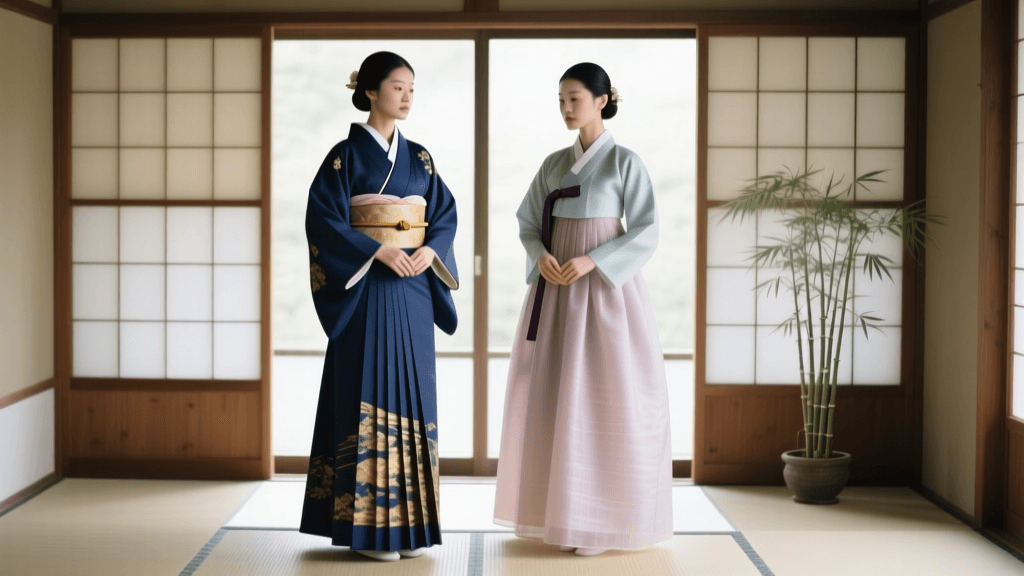
Top Japanese Fashion School Workshops 2026: Learn Kimono & Shibori

The Renaissance of Traditional Japanese Garment Education in 2026
The global fascination with traditional Asian garments has reached unprecedented heights in 2026, driven by a renewed appreciation for sustainable textiles, zero-waste pattern cutting, and artisanal craftsmanship. For decades, mastering the intricate arts of kimono construction, shibori dyeing, and sashiko stitching required relocating to Japan and apprenticing under strict, traditional hierarchies. Today, the landscape has fundamentally shifted. Leading Japanese fashion schools have pioneered high-fidelity hybrid and fully online workshops, allowing international students to learn heritage techniques from master artisans without leaving their home studios.
This digital renaissance is not merely about streaming video lectures. In 2026, institutions utilize spatial computing, multi-angle 4K macro cameras, and haptic feedback tools to teach the tactile nuances of handling delicate silk tanmono (fabric bolts) and mastering the tension required for shibori binding. According to the Bunka Fashion College global outreach initiative, enrollment in their digital heritage programs has surged by 45% this year, reflecting a massive international demand for authentic, instructor-led Asian tradition education.
Premier Online and Hybrid Workshops for 2026
Whether you are a contemporary fashion designer seeking to integrate traditional Japanese silhouettes into your 2026 collections, or a textile enthusiast dedicated to preserving historical methods, several premier institutions offer unparalleled virtual access this year.
Bunka Fashion College: Global Heritage Textile Certificate
Bunka Fashion College, renowned for shaping the avant-garde minds of Japanese fashion, offers a rigorous 12-week online certificate focused on the structural engineering of the kimono and yukata. The 2026 curriculum emphasizes the mathematics of the straight-line cut, teaching students how to draft patterns based on traditional chaku (measurements) rather than Western curved tailoring. Students receive a physical kit containing 12 meters of standard 36cm-wide cotton tanmono, specialized shinshin (needles), and a traditional kote (iron). Live sessions focus heavily on kitsuke (the art of dressing) and the precise folding techniques required for garment storage, ensuring the textile remains pristine for generations.
Tokyo Mode Gakuen: Advanced Shibori and Natural Indigo Intensive
For those captivated by color and texture, Tokyo Mode Gakuen’s hybrid intensive is the gold standard in 2026. This 8-week program bridges the gap between ancient shibori (resist-dyeing) methods and modern sustainable fashion. The course covers complex binding techniques such as kanoko (fawn spot), miura (looped binding), and arashi (pole-wrapping). Because natural indigo fermentation requires precise environmental controls, the school ships a 2026-edition smart-micro-vat to international students. This IoT-enabled vat monitors pH levels and temperature via a smartphone app, ensuring the sukumo (fermented indigo leaves) remains active and vibrant during the dyeing process, regardless of your local climate.
Kyoto Saga Art College: Virtual Sashiko and Boro Restoration
Kyoto Saga Art College focuses on the meditative and structural art of sashiko (decorative reinforcement stitching) and boro (patchwork textiles). In an era where upcycling and visible mending are central to 2026 fashion discourse, this workshop teaches the historical context of peasant garments from the Edo period and how to translate those techniques into contemporary textile restoration. Students learn the hitome-stitch (one-stitch) and moyo-stitch (pattern-stitch) through overhead macro-cameras that capture the exact needle entry and exit angles required to maintain uniform tension on heavy hemp and denim.
2026 Program Comparison Chart
To help you select the right educational path, we have compiled a comparison of the top three online and hybrid traditional garment programs available for the 2026 academic year.
| Institution | Program Name | Format | Duration | 2026 Tuition (Approx.) | Skill Level |
|---|---|---|---|---|---|
| Bunka Fashion College | Global Heritage Textile Certificate | 100% Online (Live + Async) | 12 Weeks | $1,250 USD / ¥185,000 | Intermediate |
| Tokyo Mode Gakuen | Advanced Shibori & Indigo Intensive | Hybrid (Kit + Live Streaming) | 8 Weeks | $850 USD / ¥125,000 | Beginner to Advanced |
| Kyoto Saga Art College | Virtual Sashiko & Boro Restoration | 100% Online (Weekend Cohorts) | 6 Weeks | $600 USD / ¥88,000 | All Levels |
The 2026 Home-Studio Toolkit for Traditional Garments
While these schools provide specialized kits, serious students of Asian traditions must curate a dedicated home studio. Based on the 2026 recommendations from the Textile Society of America, here are the essential tools required for mastering Japanese textile arts remotely:
- Chaku-shaku (Traditional Ruler): A 1-meter bamboo ruler marked in traditional Japanese units (shaku, sun, bu). Understanding these measurements is critical, as vintage kimono patterns and historical texts do not use the metric system.
- Hera (Marking Spatula): A smooth bamboo or tortoiseshell spatula used to crease fabric instead of using chalk or disappearing ink, which can damage delicate silk weaves.
- Kakehari (Tension Frame): A wooden frame with hooks used to stretch fabric taut while sewing or applying resist pastes for yuzen dyeing. Modern 2026 iterations feature adjustable, non-slip silicone grips to protect antique textiles.
- Indigo pH Testing Strips & Alkaline Boosters: For home dyers, maintaining the delicate bacterial ecosystem of an indigo vat is paramount. Keep calcium hydroxide and organic wood ash lye on hand to adjust alkalinity.
- Sashiko Thimble (Yubinuki): A traditional coin-shaped thimble worn on the middle finger, padded with tightly wound cotton thread, essential for driving thick sashiko needles through multiple layers of heavy fabric.
Overcoming Language and Time Zone Barriers
Historically, the language barrier and rigid Japanese time zones (JST) prevented many international enthusiasts from participating in masterclasses. In 2026, these hurdles have been virtually eliminated. Major fashion schools now employ enterprise-grade, AI-driven real-time translation overlays on their learning management systems. When a master artisan in Kyoto explains the subtle difference in fabric drape between habutae and chirimen silk, English, French, and Mandarin subtitles appear instantly with high contextual accuracy.
Furthermore, asynchronous learning modules have been vastly improved. If you cannot attend a live 2:00 AM JST session on arashi shibori pole-wrapping, the 2026 VR-enabled replays allow you to watch the instructor’s hand movements from any angle, slowing down the footage to study the exact tension applied to the binding thread. As highlighted by the Japan Foundation, cultural preservation through digital mediums has become a primary diplomatic and educational focus, heavily subsidizing the translation and streaming infrastructure for these heritage programs.
Building a Portfolio and Career in Heritage Textiles
Completing a workshop at a prestigious institution like Bunka or Tokyo Mode Gakuen does more than teach you a craft; it integrates you into a global network of heritage-conscious designers. In 2026, the fashion industry places a premium on verifiable provenance and ethical craftsmanship. Students are encouraged to document their process using standardized digital passports for textiles, logging the origin of their cotton, the fermentation date of their indigo, and the hours spent on sashiko stitching.
Graduates of these 2026 online cohorts frequently go on to launch slow-fashion labels, secure residencies in textile preservation museums, or consult for major luxury houses seeking to authentically collaborate with Japanese artisans rather than merely appropriating their aesthetics. The meticulous attention to detail instilled by these online masters—down to the precise millimeter of a hidden stitch—ensures that the legacy of Asian garment traditions continues to evolve and thrive on the global stage.
Final Thoughts on Preserving Asian Traditions
The intersection of ancient Japanese textile techniques and 2026 educational technology represents a triumph of cultural preservation. By enrolling in these specialized online and hybrid workshops, students do more than acquire a new skill set; they become active custodians of history. Whether you are binding fabric for shibori, drafting a straight-line kimono pattern, or stitching a boro textile back to life, the knowledge imparted by Japan's top fashion schools ensures that these profound Asian traditions will continue to inspire and endure for centuries to come.