Ceremonial vs Everyday Kimono and Hanbok: 2026 Guide
The Resurgence of Traditional Asian Garments in 2026
As we navigate the fashion landscape of 2026, the global appreciation for traditional Asian garments has reached unprecedented heights. From the bustling streets of Seoul to the historic districts of Kyoto, traditional dress is no longer confined to museums or rare historical reenactments. However, for both newcomers and seasoned collectors, understanding the critical distinction between ceremonial and everyday wear remains essential. This guide explores the nuanced differences between ceremonial and everyday Japanese kimono and Korean hanbok, offering actionable advice on sourcing, styling, and caring for these exquisite garments in the modern era.
The Philosophy of 'Hare' and 'Ke' in Asian Dress
In Japanese culture, the concepts of Hare (ceremonial, formal, or public occasions) and Ke (everyday, mundane, or private life) dictate not only behavior but also sartorial choices. This philosophy extends broadly across East Asian textile traditions, including Korean hanbok. Ceremonial garments are designed to project status, respect, and adherence to tradition, often utilizing heavy, luxurious fabrics and complex construction. Everyday garments, conversely, prioritize mobility, breathability, and ease of maintenance. In 2026, the integration of sustainable textiles and smart-fabrics has revolutionized the 'Ke' (everyday) category, making traditional silhouettes more accessible than ever.
Japanese Kimono: From Formal Courts to Summer Festivals
Ceremonial Kimono (Haregi)
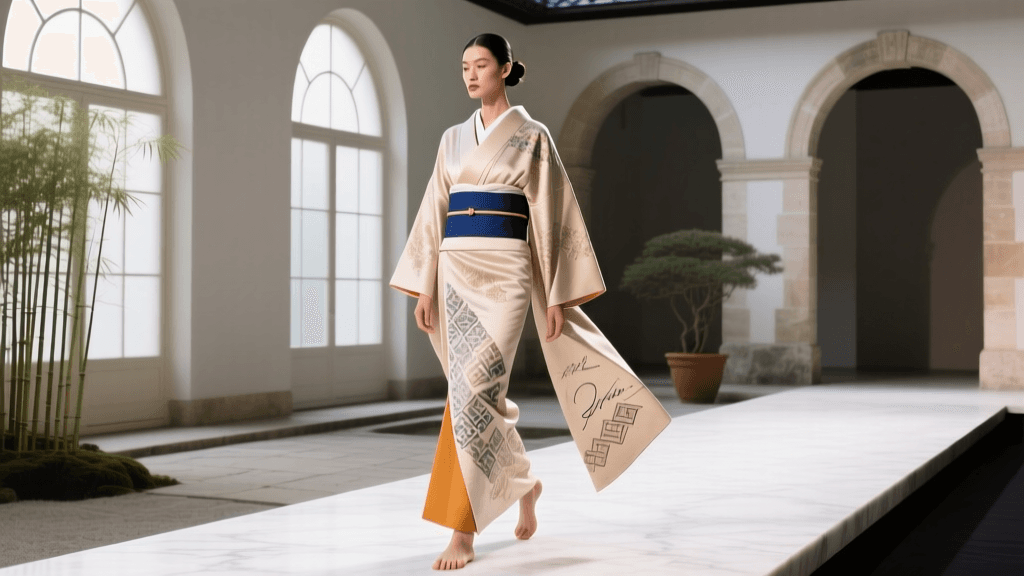
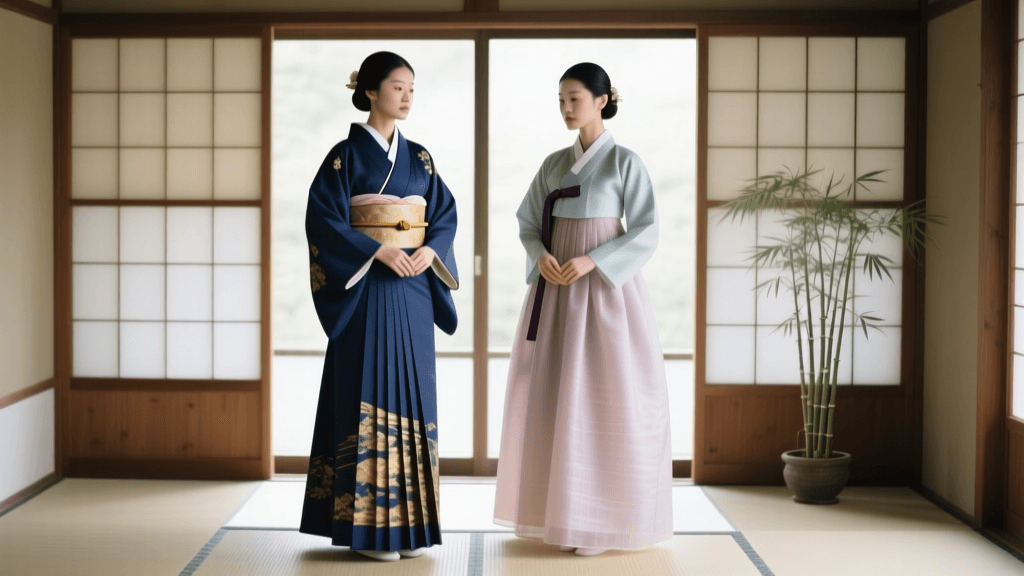
Ceremonial kimono represent the pinnacle of Japanese textile arts. For unmarried women, the Furisode is the ultimate formal garment, characterized by its dramatically long, swinging sleeves that can measure up to 114 centimeters in length. Married women typically wear the Kurotomesode (black with crests, for weddings) or the Houmongi (visiting wear, featuring continuous patterns across the seams).
These garments are almost exclusively crafted from high-grade silk, such as chirimen (crepe) or rinzu (damask). According to the Metropolitan Museum of Art, the kimono's T-shaped, straight-seamed construction has remained largely unchanged for centuries, but the surface design techniques—like yuzen dyeing and gold-leaf application—continue to evolve. In 2026, a bespoke, hand-painted silk Houmongi can easily command between $3,000 and $8,000 USD, reflecting the hundreds of hours of artisanal labor required. Ceremonial kimono are paired with heavy, intricately woven Nishijin-ori obi sashes and require professional dressing kits, including multiple padding towels, ties, and the stiff obi-ita board.
Everyday Kimono (Yukata and Komon)
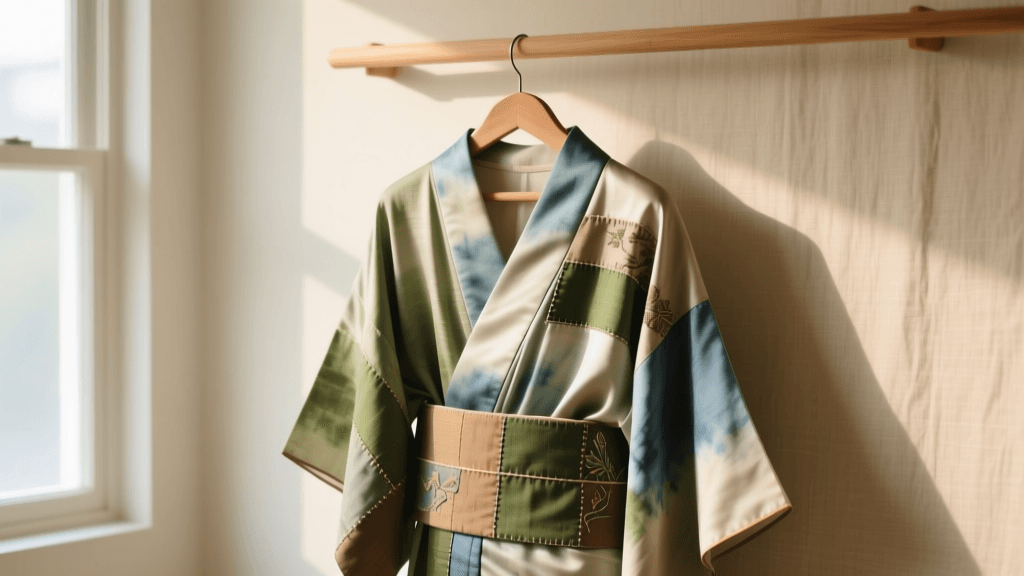
For daily wear, casual outings, or summer festivals, the Yukata and Komon are the garments of choice. The Yukata is a lightweight, unlined robe traditionally made of cotton or, increasingly in 2026, breathable hemp and bio-washed linen blends. It is worn without the complex undergarments required for silk kimono, making it highly accessible for beginners.
The Komon features a repeating, small-scale pattern and can be made from washable silk blends or high-quality recycled polyester crepe. A major trend in 2026 is the 'wash-and-wear' Komon, which retails for $120 to $250 USD and can be safely laundered in a home washing machine using a mesh net. Everyday obi are softer, narrower, and often feature pre-tied bows or simple bunko (box) knots that can be tied in under five minutes.
Korean Hanbok: Royal Heritage Meets Modern Mobility
Ceremonial Hanbok (Myeongjeol and Gwanhonsang)
The ceremonial hanbok is a visual feast of vibrant colors, structural volume, and profound symbolism. For major holidays like Chuseok or Seollal, and for traditional weddings, Koreans don formal hanbok characterized by the chima (full, bell-shaped skirt) and jeogori (cropped jacket). Bridal and highly formal wear often includes the Wonsam or Hwarot, which are long, sweeping robes adorned with elaborate embroidery of peonies, phoenixes, and dragons.
The historical evolution of the hanbok's silhouette, particularly the shortening of the jeogori over the centuries, is extensively documented by the National Museum of Korea. Today, ceremonial hanbok are crafted from heavy silk brocades, satin, and organza to maintain the skirt's rigid, voluminous shape. The goreum (the long ribbon tying the jacket) is meticulously measured and tied into a precise, asymmetrical bow. Due to the intricate hand-embroidery and structural interlinings, a complete set of ceremonial wedding hanbok in 2026 typically ranges from $1,500 to over $4,000 USD.
Everyday Hanbok (Saenghwal and Modern Hanbok)
The Saenghwal Hanbok (daily life hanbok) and the contemporary 'Modern Hanbok' have transformed traditional dress into practical streetwear. In 2026, the everyday hanbok features a slightly longer jeogori for modesty and comfort, and a significantly shorter, less voluminous chima that allows for easy navigation of subways and cafes.
Fabric innovation is the driving force behind the everyday hanbok boom. Designers are utilizing moisture-wicking tech-linens, lightweight cotton-sateens, and even vegan silk alternatives. These fabrics are machine-washable, wrinkle-resistant, and drape beautifully without the need for stiff petticoats. Priced accessibly between $80 and $200 USD, everyday hanbok are often paired with modern accessories like leather crossbody bags and minimalist sneakers, fully bridging the gap between heritage and contemporary lifestyle.
2026 Comparison Chart: Ceremonial vs. Everyday Wear
| Garment Type | Cultural Origin | Primary Use | Typical 2026 Price (USD) | Fabric & Care |
|---|---|---|---|---|
| Furisode / Tomesode | Japan | Ceremonial (Weddings, Coming of Age) | $2,000 - $8,000+ | Heavy Silk; Professional Dry Clean Only |
| Yukata / Komon | Japan | Everyday (Festivals, Casual Dining) | $80 - $250 | Cotton, Linen, Poly-crepe; Machine Washable |
| Wonsam / Hwarot | Korea | Ceremonial (Bridal, Royal Reenactment) | $1,500 - $4,500+ | Silk Brocade, Organza; Spot Clean / Air Out |
| Saenghwal Hanbok | Korea | Everyday (Work, Travel, Casual) | $80 - $200 | Tech-linen, Cotton; Machine Washable |
Sourcing and Sustainable Textiles in 2026
When building a wardrobe that balances ceremonial grandeur with everyday practicality, sourcing is paramount. For authentic ceremonial kimono, the Nishijin district in Kyoto remains the gold standard, though buyers in 2026 are increasingly turning to verified online antique dealers who provide high-resolution video inspections of vintage silk. For those seeking sustainable options, the traditional Yuki-tsumugi silk weaving technique, recognized by UNESCO as an Intangible Cultural Heritage, offers incredibly durable, hand-spun silk that softens beautifully over decades, making it a worthy investment for heirloom ceremonial pieces.
For everyday hanbok and kimono, look for brands that explicitly list their fabric compositions and sustainability certifications. In 2026, OEKO-TEX certified dyes and closed-loop water systems are standard among reputable everyday traditional wear brands in Seoul and Tokyo.
Styling Tip for 2026: When wearing an everyday cotton Komon or Saenghwal Hanbok to a modern office environment, opt for muted, earth-tone palettes like sage green, slate blue, or charcoal. Pair the garment with a structured, minimalist leather belt (worn over the hanbok jeogori or as a modern obi substitute) to anchor the traditional silhouette in contemporary corporate aesthetics.
Care, Maintenance, and Storage
The longevity of your garments depends entirely on proper care, which differs vastly between ceremonial and everyday pieces.
Ceremonial Garment Care
- Airing Out: After wearing a silk kimono or heavy hanbok, never put it away immediately. Hang it on a wide, padded hanger in a shaded, well-ventilated room for 24 to 48 hours to allow moisture and odors to dissipate.
- Professional Cleaning: Never attempt to wash ceremonial silk at home. Seek out cleaners who specialize in Asian traditional garments and understand the water-soluble nature of certain traditional dyes.
- Storage: Store silk garments folded with acid-free tissue paper to prevent crease degradation. Ideally, keep them in a tansu (paulownia wood chest), which naturally regulates humidity and repels insects.
Everyday Garment Care
- Washing: Use a mild, pH-neutral detergent. Always place everyday kimono and hanbok in a fine mesh laundry bag to protect the seams and delicate ribbon ties during the wash cycle.
- Drying: Avoid direct sunlight, which can fade modern and traditional dyes alike. Tumble dry on a low, cool setting or hang dry in the shade.
- Ironing: Use a steam iron on a low setting. For hanbok skirts, ironing the pleats while the fabric is slightly damp ensures crisp, lasting lines.
Conclusion
Understanding the dichotomy between ceremonial and everyday wear is the key to respectfully and stylishly integrating Asian traditional garments into a 2026 wardrobe. While ceremonial kimono and hanbok serve as vital, breathtaking links to our historical and cultural roots, the evolution of everyday wear proves that these traditions are not static relics. By choosing the right fabrics, understanding the proper care protocols, and embracing modern styling techniques, you can honor the rich heritage of Asian textiles while enjoying their beauty in your daily life.