Japanese Traditional Garments: 2026 Complete Style Guide
The landscape of Japanese fashion in 2026 represents a breathtaking synthesis of ancestral heritage and contemporary innovation. As the global sustainable fashion movement matures, Japanese traditional garments—once reserved strictly for ceremonies and festivals—are experiencing a renaissance as everyday, eco-conscious wardrobe staples. Whether you are a collector of vintage silk, a practitioner of traditional arts, or a modern dresser looking to integrate a haori into your daily rotation, understanding the nuances of these garments is essential. This comprehensive guide explores the core types of Japanese traditional clothing, updated sizing standards, and the neo-traditional styling trends defining 2026.
The Core Garments: Kimono, Yukata, Hakama, and Haori
Kimono: The Formal Foundation
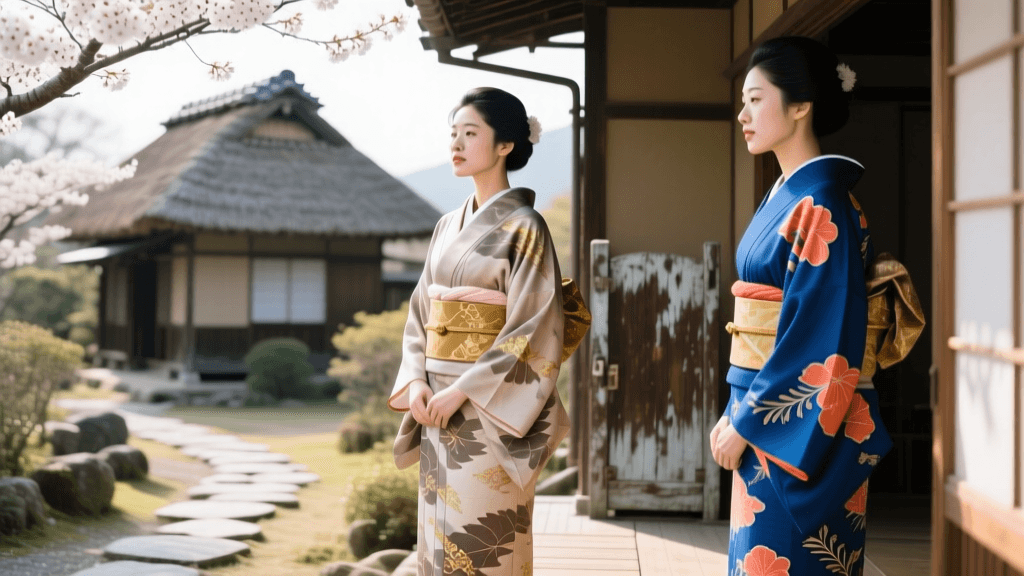
The word 'kimono' literally translates to 'thing to wear,' but in modern parlance, it refers specifically to the T-shaped, full-length robe that serves as the pinnacle of Japanese formalwear. In 2026, the kimono market is distinctly bifurcated between heritage silks and high-tech washable alternatives.
- Houmongi (Visiting Kimono): Characterized by patterns that flow seamlessly across the seams, the Houmongi is the standard for formal social events, weddings, and tea ceremonies. Authentic Nishijin-ori silk pieces remain highly prized, with bespoke 2026 commissions starting around ¥350,000 ($2,300 USD).
- Komon (Everyday Kimono): Featuring repeating, smaller patterns, Komon is the casual equivalent. The 2026 trend heavily favors vintage upcycled Komon, aligning with circular fashion principles and offering unique, one-of-a-kind aesthetics.
- Furisode (Swinging Sleeves): Reserved for unmarried women, the Furisode features dramatic sleeves that can reach up to 114 cm in length, signaling youth, celebration, and high formality.
Yukata: Summer and Casual Wear
Originally a bathrobe worn by the nobility, the yukata has evolved into the quintessential summer garment. Unlike the lined, silk kimono, the yukata is unlined and traditionally made of cotton. However, 2026 has seen a massive surge in cotton-linen blends and moisture-wicking synthetic weaves designed for increasingly hot and humid Japanese summers. Yukata are worn without the complex undergarments (juban) required for formal kimono, making them highly accessible for beginners and international enthusiasts attending summer matsuri (festivals).
Hakama: Pleated Trousers of Authority
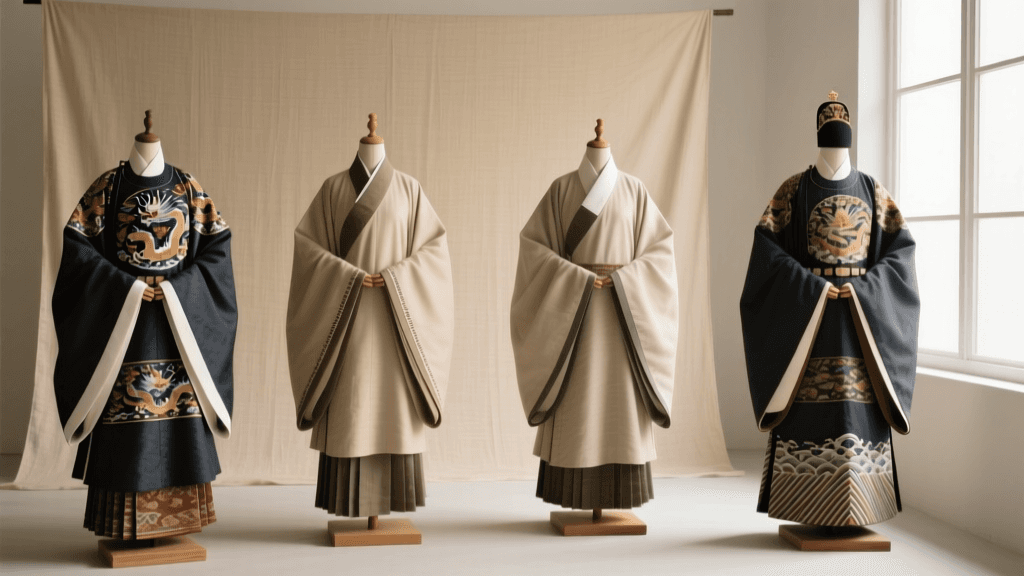
Hakama are wide, pleated trousers worn over a kimono. Historically associated with samurai and the aristocracy, they are now standard attire for university graduations, martial arts (like kendo and aikido), and Shinto priests. The standard formal hakama features five front pleats and two back pleats, symbolizing Confucian virtues. The process of tying a hakama involves a specific sequence of knots that secure the heavy fabric at the waist and lower back. Modern martial arts practitioners in 2026 often utilize pre-tied, adjustable hook-and-loop hakama for daily training, reserving the traditional hand-tied silk hakama for grading exams and public demonstrations. Furthermore, avant-garde designers are experimenting with asymmetrical hakama cuts and denim-blend fabrics for streetwear.
Haori: The Versatile Jacket
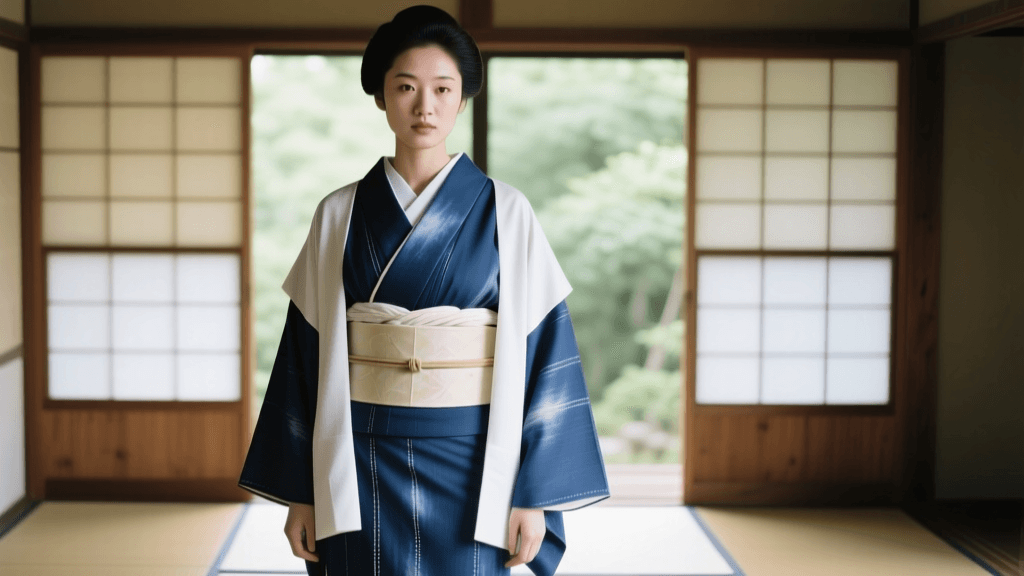
The haori is a hip- or thigh-length jacket worn open over the kimono. Because it does not require the complex obi (sash) tying of a full kimono, the haori has become the most popular entry point for global fashion in 2026. In 2026, the haori has transcended its traditional boundaries. Designers in Tokyo and Kyoto are releasing reversible haori, featuring subdued, solid colors on the outside for professional environments, and vibrant, hand-painted Edo-period motifs on the inside. This duality allows the modern wearer to express their personal aesthetic while adhering to conservative dress codes.
Sizing and Fit: The 2026 Standard
A common misconception is that Japanese traditional garments are 'one size fits all.' While traditional tailoring relies on standard bolts of fabric (tanmono), proper fit is highly dependent on the wearer's height and shoulder width. In 2026, with the global expansion of kimono dressing schools and online vintage retailers, precise sizing has become standardized.
| Garment Type | Ideal Hemline | Sleeve Drop (Sode) | Fit Profile |
|---|---|---|---|
| Formal Kimono | Ankle bone (Ohashori fold required) | Standard (49cm) to Long (60cm+) | Generous width, tailored length |
| Yukata | Ankle bone (Minimal fold) | Standard (49cm) | Snugger collar, relaxed body |
| Hakama | Just above the ankle | N/A (Worn over kimono) | Tied firmly at natural waist |
| Haori | Mid-thigh to knee | Matches underlying kimono | Shoulder seams align with natural shoulder |
When purchasing vintage or modern pieces online in 2026, always measure your yuki (the distance from the center of the back of your neck, over the shoulder, to your wrist). A standard female yuki is around 64-66 cm, while standard male yuki ranges from 70-74 cm. If the garment's yuki deviates by more than 3 cm from your measurement, the sleeves will appear visibly awkward, disrupting the garment's elegant drape.
Furthermore, the width of the kimono panels dictates how the garment wraps around the body. In 2026, many international buyers find that vintage garments from the mid-20th century are too narrow for contemporary Western body types. To solve this, modern neo-traditional brands are now cutting kimono using wider, custom-woven tanmono bolts, ensuring a graceful overlap at the front without pulling the collar open.
Modern Styling and Neo-Traditional Trends for 2026
The 2026 styling ethos is defined by 'Neo-Tradition,' a movement that respects the rules of formal kitsuke (kimono dressing) while playfully subverting them in casual contexts. According to cultural analysts tracking the Ministry of Economy, Trade and Industry's traditional crafts initiatives, the revitalization of these crafts relies heavily on adapting them to modern, fast-paced lifestyles without losing their soul.
Footwear: Zori and Geta
Traditional footwear has received a massive ergonomic upgrade. While classic lacquered wood geta and woven zori remain essential for festivals, 2026 has introduced hybrid soles. Brands are now integrating EVA foam and memory foam inserts into traditional straw-woven uppers, allowing wearers to navigate paved urban environments without the foot fatigue historically associated with rigid wooden clogs.
The Evolution of the Obi
The obi is the sash that secures the kimono. For formal wear, the stiff, brocaded fukuro obi is tied in elaborate knots like the otaiko (drum knot). However, casual 2026 styling heavily favors the heko obi—a soft, unstructured silk sash that is tied in relaxed, scarf-like bows. This trend not only reduces the time required to dress from 45 minutes to under 10 minutes but also creates a softer, more romantic silhouette that appeals to contemporary aesthetics.
Care, Maintenance, and Storage
Preserving Japanese garments requires an understanding of both the fabric and the climate. Silk kimono are highly susceptible to humidity and direct sunlight.
- Airing Out (Mushiboshi): In 2026, experts recommend airing out your silk garments twice a year—ideally in late autumn and early spring on dry, breezy days. Avoid the rainy season (tsuyu) entirely, as ambient moisture will invite mold and mildew.
- Storage Paper (Tatou-shi): Never store silk in plastic bins, which trap off-gassing chemicals and moisture. Wrap each folded garment in acid-free tatou-shi paper and store them in a breathable paulownia wood box (kiri-bako) or a dedicated cotton storage bag to regulate humidity.
- Washing: While traditional silk requires specialized dry cleaning (known as arai-hari, where the garment is completely taken apart, washed, and resewn), the 2026 market is dominated by high-quality washable polyester and treated silks. These can be gently hand-washed using pH-neutral detergents and hung to dry in the shade, avoiding the harsh UV rays that degrade silk fibers.
Embracing the Heritage
Whether you are attending a summer matsuri in a crisp cotton yukata or integrating a vintage haori into your corporate wardrobe, Japanese traditional garments offer unparalleled versatility. As noted by curators at the Victoria and Albert Museum's extensive kimono archives, the kimono is not a static relic of the past, but a dynamic, evolving garment that continues to converse with global fashion. By understanding the distinct types, respecting the sizing metrics, and adopting modern care routines, you can confidently build a Japanese traditional wardrobe that is both culturally respectful and uniquely yours in 2026.