Styling Mandarin Collar Jackets for Modern 2026 Wardrobes
The Renaissance of Heritage Fusion in 2026
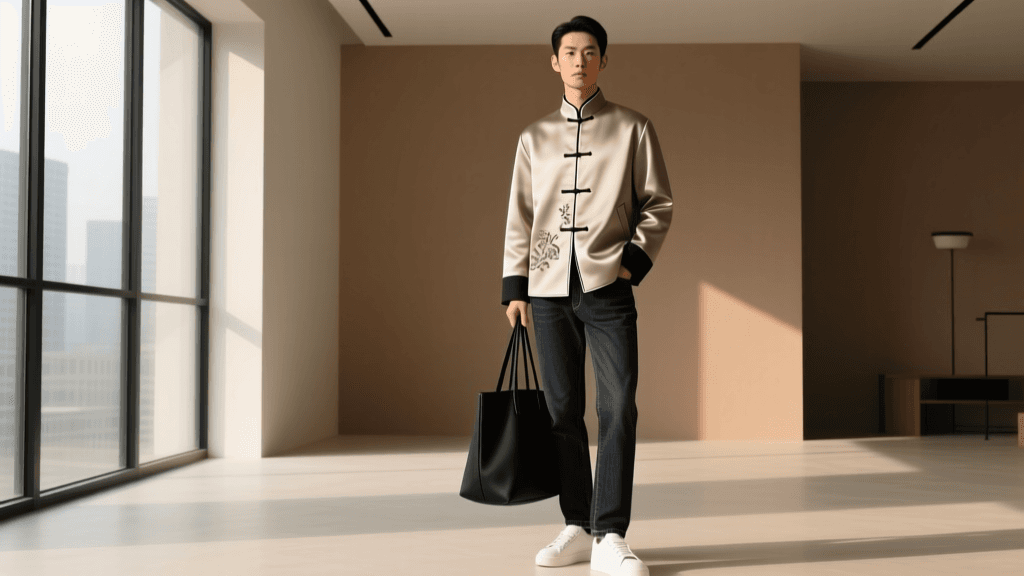
The fashion landscape of 2026 has fully embraced 'heritage fusion,' moving far beyond costume-like reproductions into seamless, everyday integrations of Asian traditional garments. At the forefront of this movement is the Mandarin collar jacket, often referred to in its traditional Chinese context as the Tangzhuang or a modernized Haori hybrid. Once reserved strictly for Lunar New Year celebrations or formal banquets, the stand-up collar jacket has been reimagined by contemporary designers and streetwear enthusiasts alike. Today, it stands as a cornerstone of the neo-traditional capsule wardrobe, offering a sophisticated bridge between Eastern tailoring heritage and Western minimalist silhouettes.
As detailed in the Victoria and Albert Museum's comprehensive guide to Chinese dress, the stand-up collar and intricate frog fastenings have long served as markers of dignity and cultural identity. However, the 2026 iteration of these garments prioritizes fluid movement, sustainable textiles, and versatile layering, making them indispensable for the modern global citizen.
Anatomy of the Neo-Tangzhuang: Fabrics and Cuts
To successfully mix traditional Asian pieces with a modern wardrobe, one must first understand how contemporary cuts differ from their historical predecessors. The structural evolution of the stand-up collar is thoroughly documented by the Metropolitan Museum of Art's historical timeline of the qipao and traditional tailoring, which highlights the rigid, structured collars of the early 20th century. In contrast, the 2026 Neo-Tangzhuang features a softened collar band, typically measuring between 1.25 to 1.5 inches in height, preventing the fabric from digging into the jawline during all-day wear.
Modern iterations also abandon the stiff, heavy silk brocades of the past in favor of innovative, breathable blends. Lotus silk, peace silk, and Tencel-cotton matelassé are the standard fabrics for 2026, offering a subtle sheen without the overwhelming glare of traditional festive wear. For a deeper understanding of the tailoring techniques that inform these modern iterations, the Encyclopedia Britannica's entry on the cheongsam and traditional Chinese garments provides essential context on how flat-pattern cutting has evolved to accommodate modern, three-dimensional draping.
Critical Measurements for a 2026 Silhouette
- Shoulder Drop: A relaxed drop of 1.5 to 2.5 inches from the natural shoulder line to allow for layering over chunky knits or turtlenecks.
- Hemline: Cropped exactly at the high hip (approximately 22 to 24 inches from the nape of the neck for a standard size medium) to elongate the legs when paired with high-waisted trousers.
- Chest Allowance: A relaxed fit with 4 to 6 inches of positive ease over the base body measurement, ensuring the front panels lay flat without pulling at the frog closures.
2026 Color Palettes for Heritage Jackets
The 'Quiet Luxury' movement of the mid-2020s has heavily influenced the colorways of traditional garments. In 2026, hyper-saturated reds and golds are replaced by nuanced, earthy, and jewel-toned palettes that integrate effortlessly into a neutral capsule wardrobe.
- Oxblood & Burgundy: Deep, moody reds that serve as a sophisticated alternative to the traditional festive bright red.
- Matcha & Celadon: Muted, grey-greens that pair beautifully with denim and charcoal wools.
- Inkwell Blue: A near-black navy that offers the formality of a blazer but with the textural interest of woven silk.
- Digital Lavender: A soft, dusty purple that bridges the gap between heritage craft and futuristic streetwear aesthetics.
Three Outfit Formulas for the Modern Workplace
Integrating a Mandarin collar jacket into a corporate or creative office environment requires balancing the ornate nature of the garment with stark, modern basics. Here are three highly actionable outfit formulas for 2026.
Formula 1: The Executive Fusion
The Pieces: An Inkwell Blue Neo-Tangzhuang (Tencel-silk blend) layered over a black, ribbed merino wool turtleneck, paired with charcoal wide-leg wool trousers and square-toe leather boots.
Why it Works: The high neck of the turtleneck complements the Mandarin collar without competing with it. The wide-leg trousers balance the slightly cropped, boxy silhouette of the jacket, creating a commanding, architectural silhouette perfect for boardroom presentations or high-stakes client meetings.
Formula 2: The Creative Director
The Pieces: A Matcha Green cropped jacket with minimalist magnetic closures (hidden beneath decorative silk frogs), an ivory silk camisole, a pleated midi skirt in cream, and minimalist leather loafers.
Why it Works: This look leans into tonal dressing, a massive trend for 2026. The soft, fluid fabrics of the skirt and camisole contrast beautifully with the structured, matelassé texture of the jacket. It is an ideal uniform for gallery openings, design studio work, or creative networking events.
Formula 3: The Tech-Minimalist
The Pieces: An Oxblood cotton-linen Tangzhuang worn open over a crisp, oversized white poplin button-down shirt, tailored black denim, and sleek, monochromatic sneakers.
Why it Works: Wearing the jacket unbuttoned transforms it into a lightweight duster or cardigan. The crisp collar of the poplin shirt popping out from beneath the Mandarin collar adds a sharp, intellectual edge that fits perfectly into modern tech campuses or casual Friday environments.
Comparison Chart: Traditional vs. Modern Silhouettes
When shopping for your 2026 capsule wardrobe, it is vital to know what to look for to ensure the piece feels contemporary rather than costumey. Use this comparison chart to guide your purchases.
| Feature | Traditional Tangzhuang (Pre-2010s) | Neo-Tangzhuang (2026 Standard) |
|---|---|---|
| Shoulder Construction | Set-in, rigid, heavily padded | Dropped, relaxed, unpadded |
| Primary Fabrics | Heavy silk brocade, stiff synthetics | Tencel-silk blends, matte crepe, lotus silk |
| Fastening Hardware | Functional, hand-tied knot frogs | Hidden magnetic snaps with decorative faux-frogs |
| Lining | Polyester, often brightly colored | Cupro or Bemberg, tone-on-tone, breathable |
| Price Range (Retail) | $80 - $250 | $280 - $850 (Contemporary Designers) |
Streetwear Fusion: Casual Layering Techniques
For weekend wear and street style, the rules of integration shift toward volume and contrast. In 2026, the oversized Haori-Tangzhuang hybrid is a staple of urban streetwear. To master this look, pair an oversized, heavily textured jacket (such as one made from raw, slubbed cotton or distressed hemp) with utilitarian basics. Think multi-pocket cargo trousers, vintage-wash graphic tees, and chunky, lug-sole footwear. The key to streetwear integration is subversion: taking a garment historically associated with formality and elders, and grounding it with the gritty, functional elements of modern youth culture. Accessorize with utilitarian crossbody bags in nylon or waxed canvas to further break away from the garment's traditional roots.
Accessories: Bridging the Cultural Gap
When styling traditional Asian garments, accessories can either elevate the look or push it into the realm of caricature. In 2026, the prevailing styling advice is to avoid matching traditional accessories (like jade hairpins or embroidered silk pouches) with your jacket. Instead, create a dialogue between eras by pairing your Neo-Tangzhuang with hyper-modern, industrial jewelry. Think titanium cuff bracelets, geometric silver ear cuffs, or minimalist smartwatches with matte ceramic bands. This juxtaposition honors the heritage of the garment while firmly planting the wearer in the present day.
Garment Care for Heritage Blends
Modern sustainable silks and Tencel blends require specific care to maintain their structural integrity and color depth. Unlike the heavy brocades of the past that required harsh chemical dry cleaning, 2026's eco-conscious fabrics respond best to gentle, at-home maintenance.
- Steaming over Ironing: Never use a flat iron on a Neo-Tangzhuang, as it will crush the delicate matelassé weaves and flatten the collar. Use a handheld garment steamer on a low-heat setting, keeping the nozzle at least two inches away from the fabric to relax wrinkles and refresh the fibers.
- Eco-Friendly Spot Cleaning: For minor blemishes, use a pH-neutral, enzyme-based silk wash. Dab gently with a microfiber cloth; never rub, as this will cause the natural fibers to pill or lose their luster.
- Storage: Store your jackets on wide, contoured wooden hangers to support the dropped shoulders. Avoid wire hangers entirely. Place natural cedar blocks in the closet to repel moths and absorb ambient moisture, ensuring your heritage pieces remain pristine for years to come.
By understanding the architectural nuances, historical context, and modern styling formulas of the Mandarin collar jacket, you can seamlessly weave Asian traditions into your daily wardrobe. The result is a 2026 aesthetic that is deeply personal, culturally respectful, and undeniably chic.