Japanese Kimono, Yukata & Hakama: The Complete 2026 Guide

Introduction to Japanese Traditional Garments in 2026
In the global fashion landscape of 2026, the appreciation for sustainable, slow fashion and heritage craftsmanship has propelled traditional Japanese garments into the international spotlight. Far from being relegated to museum archives or strictly ceremonial use, garments like the kimono, yukata, and hakama are experiencing a vibrant renaissance. Modern wearers are blending centuries-old silhouettes with contemporary accessories, creating a dynamic fusion of history and modernity. Whether you are a textile collector, a cultural enthusiast, or someone looking to invest in a timeless piece of wearable art, understanding the nuances of these garments is essential.
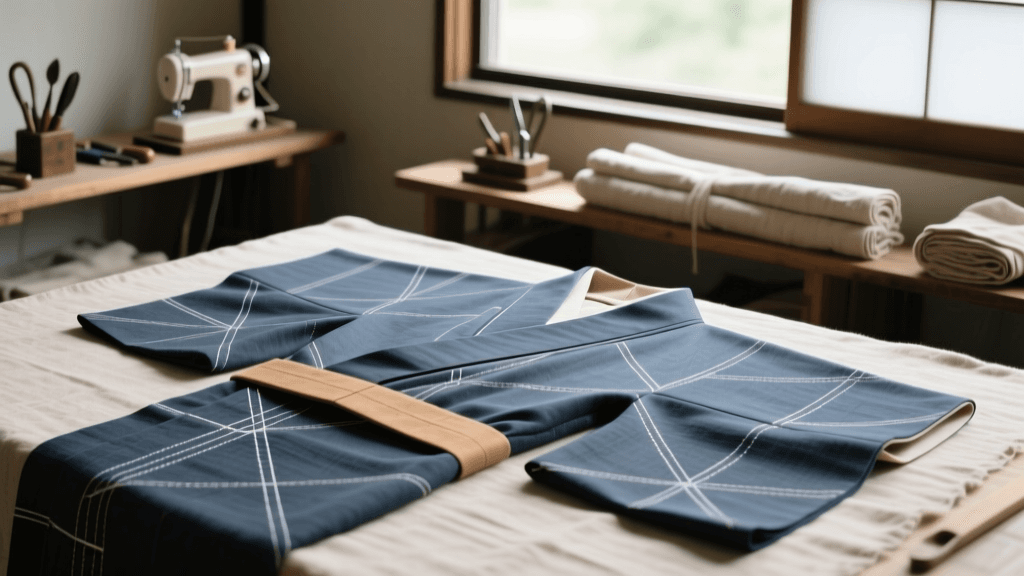
The construction of these garments is fundamentally different from Western tailoring. Instead of cutting fabric to fit the curves of the body, traditional Japanese garments are constructed from straight lines cut from a single bolt of fabric known as a tanmono. This zero-waste approach to pattern making is highly relevant in 2026, as the fashion industry increasingly seeks sustainable, eco-friendly production methods. According to the Metropolitan Museum of Art, this linear construction not only preserves the integrity of the textile but also allows the garment to be easily disassembled, cleaned, and resewn, ensuring it can be passed down through generations.
Deconstructing the Silhouettes: Kimono, Yukata, and Hakama
While Western observers often use the word 'kimono' as a catch-all term for traditional Japanese clothing, the reality is far more nuanced. Each garment type serves a distinct purpose, dictated by fabric, season, and formality.
The Kimono: Japan’s Iconic T-Shaped Robe
The kimono (literally translating to 'thing to wear') is the most formal and complex of the traditional garments. Authentic silk kimono are masterpieces of dyeing and weaving, featuring techniques such as yuzen (resist dyeing) and shibori (intricate tie-dyeing). In 2026, a hand-painted silk kimono from a master artisan in Kyoto can easily command prices upwards of $3,000 to $5,000 USD, reflecting the hundreds of hours of meticulous labor involved.
Kimono are categorized by their formality and the marital status of the wearer. For example, the furisode, characterized by its long, swinging sleeves, is strictly worn by unmarried women for coming-of-age ceremonies and formal weddings. Conversely, the tomesode, with its shorter sleeves and patterns restricted to the lower hem, is the most formal kimono for married women. Wearing a kimono requires a complex array of undergarments (juban), sashes (obi), and specialized footwear (zori and tabi socks).
The Yukata: Breathable Cotton for Summer Festivals
If the kimono is the formal evening gown of Japan, the yukata is the sundress. Originally worn as a bathing robe by the nobility during the Heian period, the yukata evolved into the casual, lightweight cotton garment worn by all classes during summer festivals (matsuri) and fireworks displays. Because it is made from unlined cotton or modern hemp-blends, it is worn directly against the skin or over a simple slip.
The yukata is highly accessible in 2026, with high-quality, machine-washable versions available from major Japanese retailers for between $40 and $150 USD. The obi worn with a yukata is typically a narrow, stiff cotton sash called a hanhaba obi, which is much easier to tie than the formal, brocade obi used with silk kimono.
The Hakama: Pleated Elegance and Martial Heritage
The hakama is a striking, pleated skirt-like garment worn over a kimono. Historically worn by samurai to protect their legs while riding horses and to hide their footwork in martial arts, the hakama today is a symbol of scholarly and martial prestige. In modern Japan, it is most commonly seen on university students during graduation ceremonies, Shinto priests, and practitioners of martial arts like kendo and aikido.
There are two main types of hakama: the umanori (divided, trouser-like) and the andon-bakama (undivided, skirt-like). Women often wear beautifully patterned silk hakama over a vibrant kimono for graduation, while men typically wear solid-colored, crested hakama for formal tea ceremonies or weddings. The seven deep pleats of the hakama are said to represent the seven virtues of the samurai, adding a layer of profound philosophical meaning to the garment.
Comprehensive Comparison Chart
To help you navigate your purchasing or styling decisions, refer to the comparison table below outlining the core differences between these three garments based on current 2026 market data and cultural norms.
| Feature | Kimono (Silk) | Yukata (Cotton/Hemp) | Hakama (Silk/Polyester) |
|---|---|---|---|
| Formality | High to Very High | Casual / Summer Festival | High (Academic/Ceremonial) |
| Material | Silk, Crepe, Brocade | Cotton, Hemp, Linen blends | Silk, Polyester blends |
| Lining | Fully lined (Awase) or unlined (Hitoe) | Always unlined | Usually unlined |
| Footwear | Zori sandals with Tabi socks | Geta (wooden clogs), barefoot or Tabi | Zori or boots (for martial arts) |
| Avg. 2026 Price | $800 - $5,000+ (New Artisan) | $40 - $150 (Retail) | $120 - $600 (Retail/Artisan) |
Sourcing and Shopping Guide for 2026
Acquiring authentic Japanese garments requires knowing where to look, especially as global demand for vintage and artisanal textiles has surged in 2026.
Buying New from Artisans and Retailers
For those seeking brand-new, custom-fitted silk kimono, the historic Nishijin district in Kyoto remains the epicenter of textile production. However, you do not need to travel to Japan to access these garments. In 2026, many heritage brands offer virtual consultations and international shipping. Department stores like Mitsukoshi and Isetan have robust international e-commerce platforms that ship authentic, high-end kimono and hakama globally. When purchasing a new silk kimono, expect a lead time of three to six months, as the fabric is often woven and dyed to order.
The Thriving Vintage Market
The vintage kimono market is a treasure trove for collectors and budget-conscious enthusiasts. Because kimono are constructed from straight cuts, they are highly adaptable to different body types, making vintage pieces incredibly viable for modern wearers. Online platforms specializing in Japanese vintage textiles have seen massive growth. When shopping for vintage silk, always check the condition of the fabric along the fold lines, as silk can degrade if stored improperly. A pristine vintage 1970s silk kimono can often be purchased for $80 to $250 USD, offering incredible value for the level of craftsmanship involved.
Modern Styling: Integrating Tradition into 2026 Wardrobes
The Victoria and Albert Museum has extensively documented how the kimono has continually evolved, absorbing foreign influences while maintaining its core structure. In 2026, street style in Tokyo's Harajuku and Daikanyama districts showcases innovative ways to style these garments for everyday wear.
- The Kimono Jacket: Wearing a shorter, unlined silk kimono (haori) open over a plain white t-shirt and tailored denim is a staple of modern transnational fashion.
- Obi as Belts: Vintage, heavily embroidered maru obi are increasingly being repurposed as statement belts over trench coats or structured blazers in high-fashion circles.
- Hakama with Western Tops: For a striking avant-garde look, women are pairing pleated hakama with fitted turtlenecks and leather boots, blending traditional volume with modern, sleek silhouettes.
- Yukata Loungewear: The lightweight cotton of the yukata makes it an ideal, luxurious robe for home wear, often belted simply with a silk ribbon rather than a traditional obi.
Care, Maintenance, and Storage
Proper care is vital to preserving the longevity of these garments. As noted by Encyclopedia Britannica, the traditional maintenance of silk kimono involves a specialized process of taking the garment apart, washing the fabric bolts, and resewing them. While this arai-hari service is still available in Japan, it is expensive and difficult to access internationally.
For modern collectors in 2026, preventive care is the best strategy. Never hang a silk kimono on a standard wire or wooden hanger, as the weight of the fabric will distort the shoulders. Instead, fold the garment along its natural seams and store it flat in a breathable cotton storage bag. Always include acid-free tatou paper to prevent moisture buildup and dye transfer. If a silk kimono becomes soiled, do not attempt to wash it at home; seek out a professional dry cleaner who specializes in heritage textiles and understands the delicate nature of metallic threads and natural dyes. Cotton yukata, on the other hand, are highly durable and can generally be machine washed on a gentle, cold cycle, making them the perfect entry point for those new to Japanese traditional garments.
Conclusion
Whether you are draping yourself in the casual cotton of a summer yukata, the scholarly pleats of a hakama, or the breathtaking silk of a formal kimono, you are participating in a living, breathing textile tradition. By understanding the construction, cultural context, and proper care of these garments, you ensure that these magnificent pieces of Asian heritage continue to be celebrated and worn with respect in 2026 and beyond.