Japanese Kimono & Yukata Types: The Complete 2026 Guide
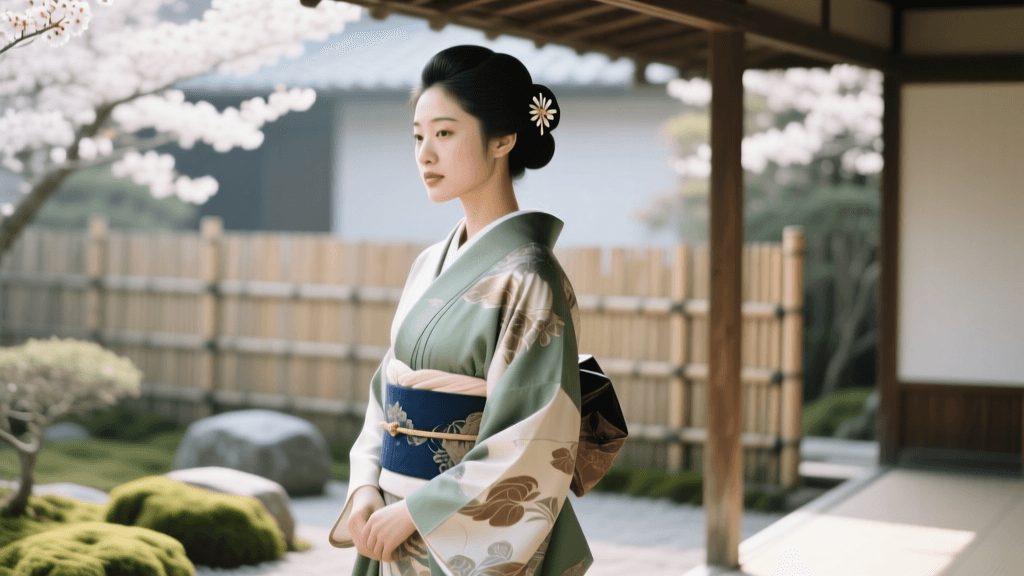
In 2026, the global appreciation for Japanese traditional garments has reached an unprecedented peak, driven by a renewed interest in sustainable fashion, artisanal craftsmanship, and cultural heritage. Whether you are a seasoned collector, a fashion historian, or a traveler preparing for a summer festival in Kyoto, understanding the intricate hierarchy of Japanese clothing is essential. The terms 'kimono' and 'yukata' are often used interchangeably by those outside of Japan, but within the rich tapestry of Japanese culture, they represent entirely different categories of formality, construction, and seasonal wear. This comprehensive guide will walk you through the definitive types of Japanese garments, their modern market values, and how to wear them with authenticity and respect in the contemporary era.
The Foundation: Kimono vs. Yukata
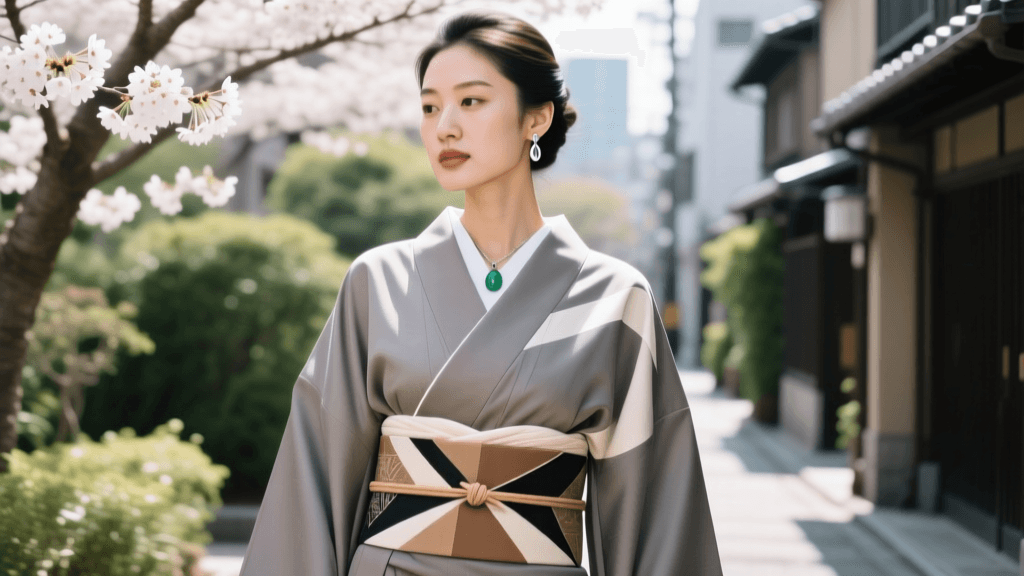
To navigate the world of Japanese traditional dress, one must first understand the fundamental distinction between the kimono and the yukata. The word kimono (着物) literally translates to 'thing to wear' (ki = wear, mono = thing). It is a broad term that encompasses all traditional Japanese garments, but in modern parlance, it specifically refers to formal and semi-formal silk garments worn with a full suite of underlayers, accessories, and specialized footwear. According to the Metropolitan Museum of Art, the kimono evolved from the kosode of the Edo period, transforming into a canvas for extraordinary textile arts that signify the wearer's age, marital status, and the formality of the occasion.
The yukata (浴衣), on the other hand, translates to 'bathing cloth.' Originally worn by the nobility as a lightweight bathrobe, it evolved into the quintessential casual summer garment. Unlike the kimono, the yukata is typically made of cotton, hemp, or modern breathable blends, and is worn directly over basic undergarments without the need for the complex layering required for silk kimonos. In 2026, the yukata remains the most accessible entry point for international enthusiasts, widely available in department stores and boutique online shops specializing in Japanese textiles.
The Complete Hierarchy of Kimono Types
The Japanese garment system is governed by strict rules of formality. Wearing the correct kimono for the correct occasion is a sign of respect and cultural literacy. Below is the definitive breakdown of the primary kimono types you will encounter in the 2026 market.
1. Furisode (振袖) - The Pinnacle of Youthful Formality
The Furisode is the most formal kimono for unmarried women. Its defining characteristic is its dramatically long, swinging sleeves, which can measure anywhere from 85 to 114 centimeters in length. Historically, the swinging sleeves were believed to ward off evil spirits and express romantic interest. Today, the Furisode is the mandatory garment for Seijin no Hi (Coming of Age Day) and is frequently worn by unmarried female relatives at weddings. In 2026, contemporary artisans in the Nishijin weaving district are experimenting with sustainable, lab-grown silk threads to create Furisode that maintain their luxurious drape while reducing the environmental footprint of traditional sericulture.
2. Houmongi (訪問着) - The Elegant Visiting Wear
The Houmongi is a semi-formal kimono worn by both married and unmarried women. Its name translates to 'visiting wear,' making it the perfect choice for tea ceremonies, gallery openings, and wedding receptions. The hallmark of the Houmongi is its e-ba pattern—a continuous, picturesque design that flows seamlessly across the seams of the garment when it is laid flat. Because of the complex dyeing and weaving techniques required to align these patterns, authentic artisan Houmongi remain highly prized and represent a significant investment for serious collectors.
3. Tomesode (留袖) - Married Women's Formal Wear
The Tomesode is the most formal kimono for married women. It is easily identified by its shorter sleeves and the placement of its patterns, which are restricted entirely to the lower half of the garment below the waist. There are two sub-categories: Kuro-Tomesode (black with five family crests), which is strictly reserved for the mothers of the bride and groom at weddings, and Iro-Tomesode (colored with one to five crests), which can be worn by other married female relatives to formal events.
4. Komon (小紋) - Everyday Elegance
The Komon is the workhorse of the kimono wardrobe. It features a small, repeating pattern that covers the entire garment. Because the pattern is directional or random rather than a continuous landscape, the Komon is considered casual or 'street wear.' It is perfect for dining out, attending casual theater performances, or taking a stroll through the historic streets of Higashiyama. The Victoria and Albert Museum highlights how Edo-period Komon utilized incredibly fine stencil dyeing techniques (Edo Komon) that, from a distance, appeared as solid colors, allowing commoners to bypass strict sumptuary laws.
5. Tsumugi (紬) - The Rustic Luxury
Tsumugi is a fascinating paradox in Japanese fashion. It is woven from silk noil (the short, leftover fibers from the silk spinning process), giving it a nubby, rustic texture similar to linen or raw cotton. Despite being made of 100% silk and often requiring hundreds of hours of hand-weaving and intricate kasuri (ikat) dyeing, Tsumugi is traditionally classified as casual wear. However, in 2026, vintage Oshima Tsumugi and Yuki Tsumugi are among the most expensive and sought-after pieces in the collector's market, valued for their understated elegance and extraordinary durability.
Yukata: The Accessible Gateway
As global temperatures continue to influence summer fashion, the yukata has seen a massive resurgence. Modern 2026 yukata collections frequently feature advanced moisture-wicking cotton blends and anti-wrinkle treatments, making them ideal for international travelers who need to pack light. Yukata patterns range from traditional morning glories and fireworks to bold, contemporary geometric prints. They are secured with a hanhaba obi (a half-width, casual sash) and paired with geta (wooden clogs). For travelers looking to experience this firsthand, the Japan National Tourism Organization recommends participating in local summer matsuri (festivals) where yukata rental and styling services are readily available for visitors.
2026 Formality and Occasion Comparison Chart
To help you navigate your wardrobe choices, refer to the structured comparison table below detailing the primary characteristics of each garment type.
| Garment Type | Formality Level | Primary Fabric | Target Demographic | Best Occasions (2026) |
|---|---|---|---|---|
| Furisode | Ultra-Formal | Heavy Silk, Brocade | Unmarried Women | Coming of Age Day, Weddings |
| Kuro-Tomesode | Ultra-Formal | Black Silk, Crests | Married Women | Immediate Family Weddings |
| Houmongi | Semi-Formal | Painted/Dyed Silk | All Women | Tea Ceremonies, Galas, Receptions |
| Komon | Casual | Light Silk, Crepe | All Women | Dining Out, Theater, Shopping |
| Tsumugi | Casual/Street | Silk Noil, Ikat | All Genders | Cultural Outings, Casual Gatherings |
| Yukata | Informal | Cotton, Hemp, Blends | All Genders | Summer Festivals, Ryokan, Lounging |
Sourcing, Pricing, and Market Trends in 2026
The market for Japanese traditional garments in 2026 is bifurcated into two distinct streams: the artisan new-build market and the thriving vintage (recycle) market. For those seeking brand-new, custom-tailored silk kimono, the process remains a luxury endeavor. A new, hand-painted Yuzen Houmongi commissioned from a Kyoto atelier will typically start around ¥800,000 (approximately $5,300 USD in early 2026) and can take up to six months to complete.
Conversely, the vintage market offers incredible value and sustainability. Tokyo's Shimokitazawa and Kyoto's Tansu-machi districts are treasure troves for second-hand silk. In 2026, a high-quality vintage Komon in excellent condition can be purchased for ¥5,000 to ¥15,000 ($35 to $100 USD). However, buyers must be vigilant about checking for shimi (age spots) and structural weakening in the silk fibers, particularly along the shoulder folds. International buyers increasingly rely on specialized proxy services and verified online auction houses that provide high-resolution macro photography of the garment's interior lining and seams.
Essential Accessories and Modern Styling
A kimono is never worn alone; it is part of a complex ensemble. The Obi is the wide sash that secures the garment. Formal obi (like the Maru or Fukuro obi) are heavily brocaded and can cost more than the kimono itself. The Obijime is a decorative braided cord tied over the obi, and the Obidome is a small ornamental clasp. In 2026, a major trend among younger Japanese fashionistas is the integration of 3D-printed, avant-garde obidome and the pairing of vintage, shortened kimono with contemporary western footwear and tailored trousers, creating a striking neo-traditional silhouette.
Footwear is equally important. Tabi are the split-toe socks worn with Zori (formal sandals with fabric or leather straps) or Geta (casual wooden clogs). Modern tabi in 2026 often feature moisture-wicking athletic materials and arch support, bridging the gap between historical aesthetics and modern podiatric comfort.
Preservation and Care for Modern Collectors
Proper care is vital to preserving these textile masterpieces. Traditional storage involves the tansu, a wooden chest made of paulownia wood, which naturally regulates humidity and repels insects. For collectors outside of Japan's humid climate, storing folded kimonos in acid-free tissue paper within breathable cotton storage boxes is the 2026 best practice. Never hang a silk kimono on a standard Western hanger; the weight of the fabric will distort the shoulders and ruin the structural integrity of the garment. If a kimono becomes soiled, it must be disassembled, washed by a specialist in a process called arai-hari, and then re-sewn—a meticulous craft that is currently facing a shortage of skilled artisans, making preventative care and spot-cleaning all the more crucial.
Whether you are investing in a museum-quality Furisode or simply selecting a vibrant cotton Yukata for a summer evening, understanding the profound history and strict etiquette of Japanese garments ensures that you are not just wearing clothes, but participating in a living, breathing cultural legacy that continues to evolve beautifully in the modern era.