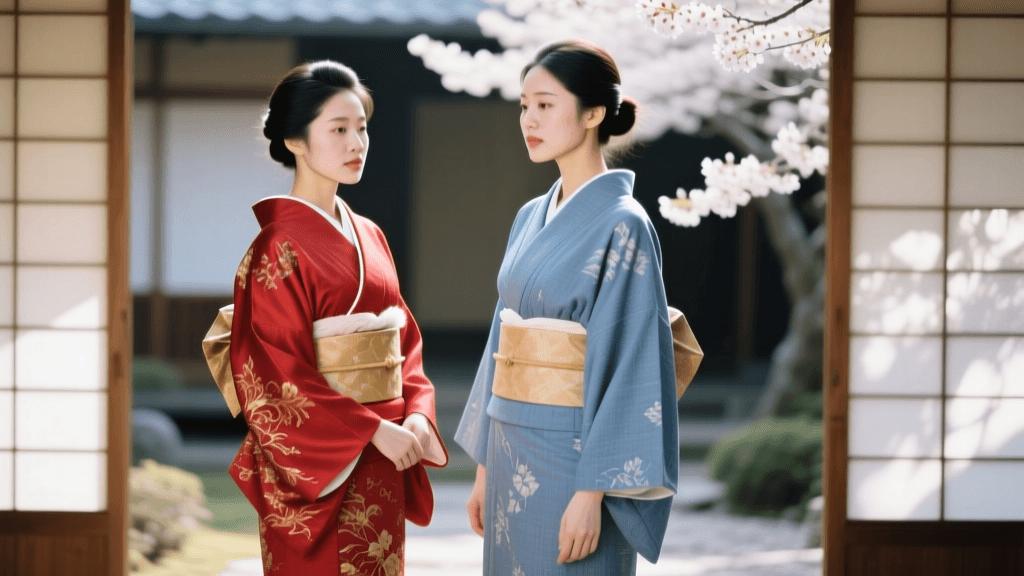
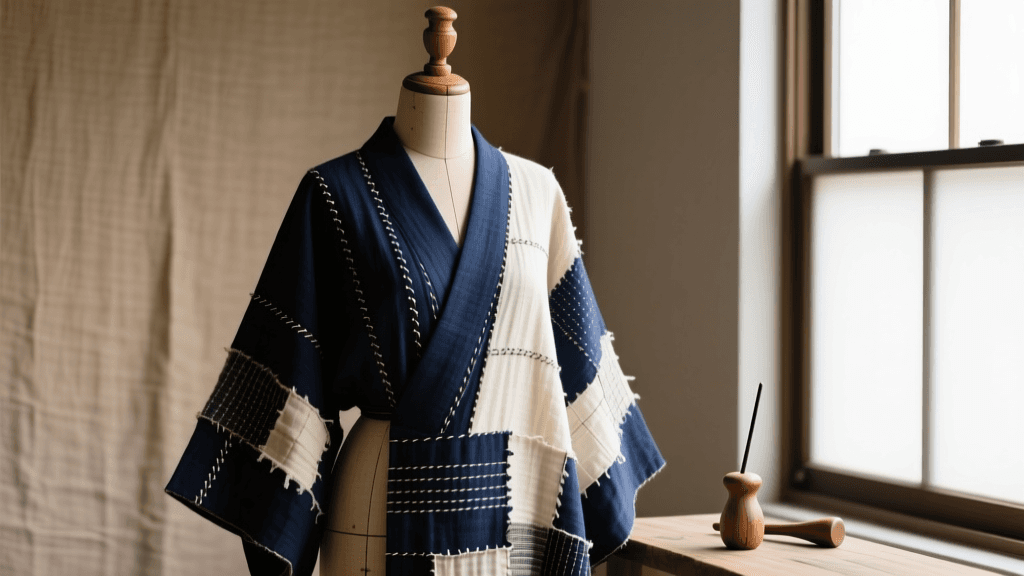
Japanese Kimono Types & Sizing Guide 2026: The Complete Overview

The Enduring Legacy of the Kimono in 2026
The Japanese kimono remains one of the most iconic, structurally fascinating, and culturally significant garments in global fashion history. As we navigate the fashion landscape of 2026, the kimono is experiencing a profound renaissance. No longer viewed merely as a ceremonial relic, traditional Japanese garments are being embraced by a new generation of global enthusiasts who appreciate their sustainable construction, zero-waste pattern cutting, and breathtaking textile artistry. According to The Metropolitan Museum of Art's Heilbrunn Timeline of Art History, the kimono's T-shaped, straight-line construction has influenced Western designers for over a century, and today's 2026 revival is heavily focused on authentic craftsmanship and ethical silk sourcing from regions like Gunma and Aichi prefectures.
Whether you are a collector seeking a vintage masterpiece, a bride planning a traditional wedding, or a fashion enthusiast looking to incorporate a yukata into your summer wardrobe, understanding the distinct types, proper sizing, and authentic sourcing methods is essential. This comprehensive 2026 guide will walk you through everything you need to know about Japanese traditional garments.
Anatomy of the Garment: Understanding Traditional Construction
Unlike Western tailoring, which relies on complex curved seams to contour the body, the traditional kimono is constructed using a straight-line cutting method known as chokusen-dachi. This technique minimizes fabric waste and allows the garment to be easily disassembled, cleaned, and resewn. A standard kimono is made from a single bolt of fabric called a tanmono, which measures approximately 14 inches wide and 12.5 yards long. This single bolt is precisely enough to create one adult garment, divided into eight primary panels: two body panels, two sleeve panels, two overlap panels (okumi), and a collar (eri).
This modular construction is what makes the kimono inherently sustainable—a core value in 2026's eco-conscious fashion market. Because the seams are straight, the fabric can be flattened completely for storage or repurposed into other textiles without the awkward offcuts associated with modern garment manufacturing.
The Core Japanese Kimono Types: A 2026 Classification Guide
Understanding the hierarchy and formality of kimono types is crucial for wearing them appropriately. The Japanese concept of TPO (Time, Place, Occasion) strictly dictates which garment should be worn. Below is a detailed breakdown of the primary kimono types recognized in 2026.
1. Yukata (Casual Summer Wear)
The yukata is the most accessible and widely recognized Japanese garment globally. Originally worn as a bathrobe by the nobility, it evolved into the standard casual summer wear for festivals and fireworks displays. Made from breathable, unlined cotton or modern hemp-blends, the yukata is worn without the complex undergarments required for silk kimono. In 2026, contemporary yukata designs frequently feature bold, modern graphic prints alongside traditional indigo-dyed floral motifs.
2. Komon (Everyday Patterned Kimono)
Komon translates to "small pattern." These are casual, everyday silk or synthetic kimono featuring repeating patterns that cover the entire garment. They are perfect for casual outings, dining with friends, or attending informal cultural classes. A subcategory, Edo Komon, features micro-patterns that appear solid from a distance but reveal intricate geometric designs up close, elevating it to semi-formal status when paired with a formal obi (sash).
3. Tsukesage (Semi-Formal Visiting Wear)
The tsukesage is a versatile semi-formal garment. Its defining characteristic is that the decorative patterns are concentrated below the waist and on the upper back, with the designs generally pointing upwards toward the seams. It is less formal than the Homongi but dressier than the Komon, making it a popular choice for 2026 tea ceremonies, graduation ceremonies, and upscale dining.
4. Homongi (Formal Visiting Wear)
The homongi is the epitome of elegant formal wear for both married and unmarried women. It features an e-ba (picture pattern) design, meaning the artwork flows seamlessly across the seams when the garment is laid flat, creating a continuous canvas. According to cultural experts at the Kyoto City Tourism Association, the Homongi remains the premier choice for formal weddings, high-end galas, and official cultural diplomacy events in 2026.
5. Furisode (Formal Wear for Unmarried Women)
Instantly recognizable by their dramatically long, swinging sleeves (ranging from 85cm to 114cm in length), furisode are the most formal kimono for unmarried women. They are heavily decorated with vibrant, auspicious motifs and are traditionally worn for Coming of Age Day (Seijin no Hi) and as bridal party attire.
6. Tomesode (Formal Wear for Married Women)
The tomesode is the highest level of formality for married women. The Kurotomesode (black tomesode) features five family crests (kamon) and is strictly reserved for close relatives at weddings. The Irotomesode (colored tomesode) is slightly less formal and can be worn by a wider circle of relatives and distinguished guests.
2026 Kimono Classification and Pricing Chart
| Garment Type | Formality Level | Primary Occasion | 2026 Avg. Retail Price (USD) |
|---|---|---|---|
| Yukata | Casual | Summer festivals, casual lounging | $60 - $250 |
| Komon | Informal / Everyday | Casual outings, shopping, classes | $300 - $800 |
| Tsukesage | Semi-Formal | Tea ceremony, graduation, dining | $1,200 - $3,500 |
| Homongi | Formal | Weddings, galas, formal parties | $2,500 - $8,000+ |
| Furisode | Formal (Unmarried) | Coming of Age Day, bridal party | $3,000 - $10,000+ |
| Kurotomesode | Highest Formal (Married) | Immediate family weddings | $4,000 - $12,000 |
Precision Sizing: Achieving the Perfect Fit in 2026
One of the most common hurdles for international enthusiasts is sizing. Unlike Western clothing, kimono do not come in standard S, M, L sizes. Instead, they are tailored to specific body measurements, primarily focusing on Yuki (sleeve length) and Mitake (body length).
- Yuki (Sleeve Length): Measured from the center of the back of the neck, across the shoulder, and down to the wrist bone. For most modern women, a standard yuki is around 63cm to 65cm.
- Mitake (Body Length): Measured from the base of the neck to the desired hemline. Traditionally, the hem should graze the ankle bone, but modern 2026 styling often allows for slightly longer hems that touch the floor for a more dramatic, elegant silhouette.
In 2026, many premier Kyoto e-commerce platforms and international dealers have integrated AI-driven 3D body scanning applications. By uploading a few standard measurements or using a smartphone LiDAR scanner, buyers can receive highly accurate recommendations for vintage pieces or commission custom tanmono weaves that perfectly match their proportions.
Authentic Sourcing: Where to Buy Genuine Garments
As the global demand for traditional Asian garments has surged, the market has unfortunately seen an influx of mass-produced, polyester "costume" kimono. To ensure you are purchasing an authentic garment, look for the Dento Sangyo (Traditional Industry) mark, a certification provided by the Japanese government that guarantees the item was crafted using traditional methods and materials in its designated region of origin.
For those seeking new, artisan-crafted pieces, the Nishijin Textile Center in Kyoto remains the gold standard. According to the Victoria and Albert Museum's Asian Collections archives, Nishijin-ori (Nishijin weaving) has been the pinnacle of Japanese textile art for centuries, and purchasing directly from these guilds ensures fair compensation for master weavers. For vintage enthusiasts, the 2026 Tokyo Kimono Show and specialized online auction houses curated by certified kitsuke (dressing) instructors offer incredible opportunities to acquire mid-century silk masterpieces at a fraction of their original cost.
Modern Styling and Kitsuke (Dressing) Techniques
The art of wearing the kimono is called kitsuke. While traditional dressing requires a multitude of pads, ties (koshihimo), and stiffeners, 2026 has seen a rise in "modern kitsuke" accessories designed for ease of use without compromising the traditional silhouette. Pre-tied tsuke-obi (clip-on sashes) have become remarkably sophisticated, utilizing memory-wire and high-quality silk facings that are virtually indistinguishable from hand-tied knots.
"The beauty of the kimono lies not just in the silk, but in the negative space it creates around the body. In 2026, we are seeing a beautiful synthesis where traditional silhouettes are respected, but the styling—through contemporary obi-jime cords and modern footwear—allows the wearer's personal identity to shine."
— Master Kitsuke Instructor, Kyoto Cultural Preservation Society
When styling your garment, pay close attention to the eri (collar). The golden rule of kitsuke is to pull the back collar down to expose the nape of the neck, an area traditionally considered highly elegant in Japanese aesthetics. The front collar should be crossed left over right; crossing right over left is strictly reserved for dressing the deceased for burial.
Garment Care and Preservation
Silk kimono require specialized care. Never attempt to wash a lined silk garment at home. In 2026, the industry standard for cleaning is maru-arai, a specialized dry-cleaning process that uses gentle, eco-friendly solvents to clean the entire garment without shrinking the silk or damaging the metallic threads. For spot cleaning, consult a professional shikaiya (kimono cleaner) who can carefully unpick the seams, treat the stain, and resew the garment.
When storing your collection, always fold the kimono along its original seam lines and wrap it in acid-free tatou paper. Avoid plastic garment bags, which trap moisture and lead to mildew. Store the wrapped garments in a breathable paulownia wood chest (tansu), which naturally regulates humidity and repels insects, ensuring your investment remains pristine for generations to come.