Japanese Kimono Types Guide 2026: Furisode to Yukata
Introduction to Japanese Traditional Garments in 2026
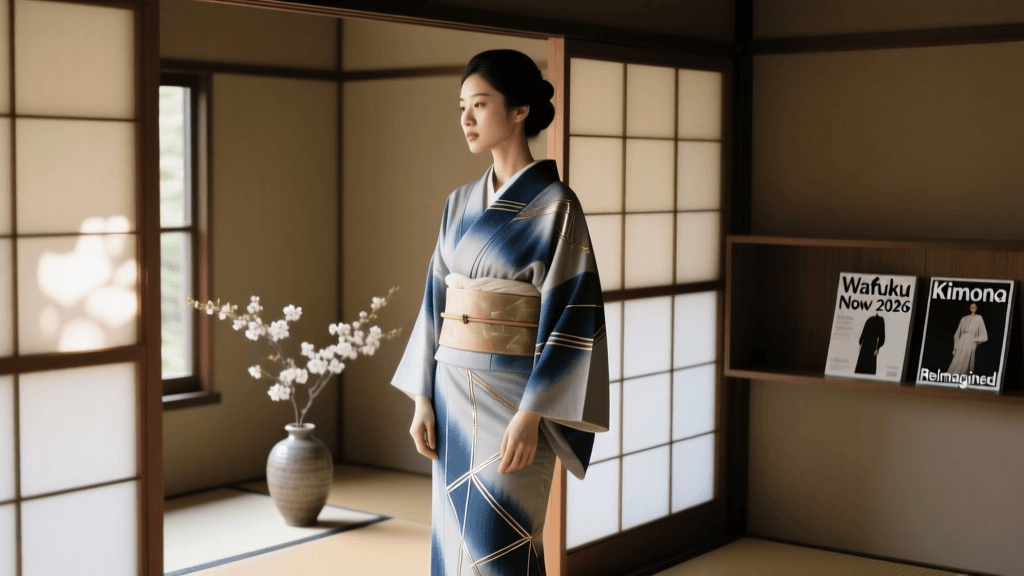
The landscape of Japanese traditional garments has experienced a remarkable renaissance by 2026. Far from being relegated to museum archives or strictly ceremonial use, the kimono and its associated garments are actively being integrated into modern wardrobes, sustainable fashion movements, and global cultural exchanges. As enthusiasts and collectors seek to understand the profound symbolism woven into every thread, mastering the hierarchy of Japanese garment types is essential. Whether you are attending a formal tea ceremony, a summer matsuri (festival), or a wedding, understanding the distinctions between a furisode, tomesode, and yukata ensures you dress with both respect and sartorial elegance.
According to the Victoria and Albert Museum's Kimono Collection, the kimono is not merely a piece of clothing but a canvas that reflects the wearer's age, marital status, and the specific season or occasion. In 2026, the rise of upcycled vintage markets in Tokyo and Kyoto has made authentic silk garments more accessible, while innovations in washable smart-silks have revolutionized daily wear. This comprehensive guide will decode the complex world of Japanese traditional garments, providing actionable advice on selection, sizing, and modern styling.
The Hierarchy of Formality: Decoding Kimono Types
The Japanese concept of TPO (Time, Place, Occasion) is strictly applied to kimono wearing. The formality of a kimono is determined by its fabric, pattern placement, sleeve length, and the presence of family crests (kamon).
Furisode (振袖): The Unmarried Woman's Formal Wear
The furisode is the most formal kimono for unmarried women, instantly recognizable by its dramatically long, swinging sleeves. In 2026, the standard sleeve length for an o-furisode (large furisode) often exceeds 114 centimeters. Traditionally worn during Seijin no Hi (Coming of Age Day), the furisode is also the appropriate attire for unmarried female relatives at weddings. The vibrant, all-over patterns are meant to attract good fortune and signify youth. Modern styling in 2026 often pairs the furisode with contemporary obijime (decorative cords) featuring 3D-printed metallic accents, blending Edo-period elegance with futuristic craftsmanship.
Tomesode (留袖): The Pinnacle of Married Women's Formality
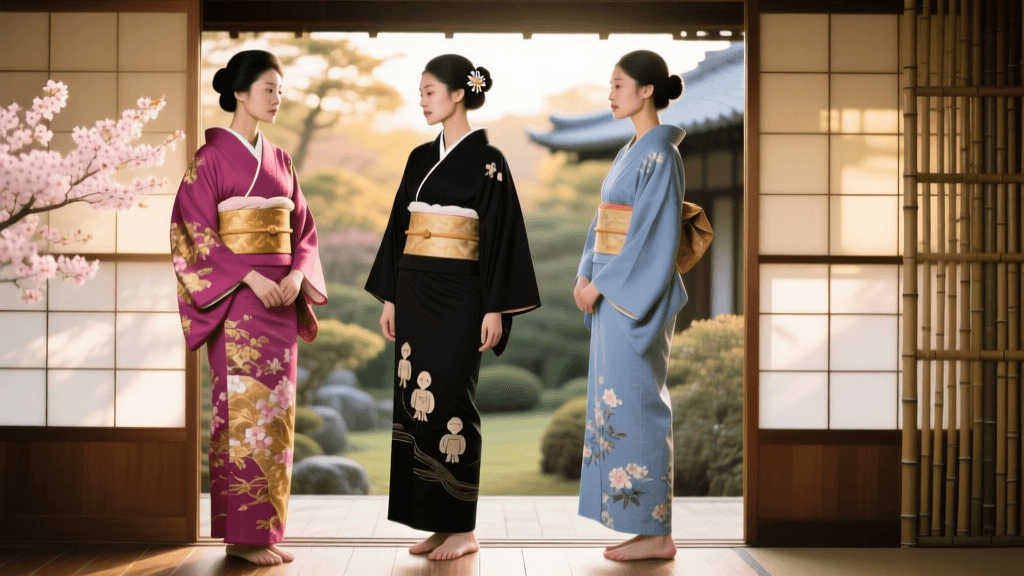
For married women, the tomesode represents the highest level of formality. It is divided into two categories: kurotomesode (black) and irotomesode (colored). The kurotomesode is strictly reserved for close relatives of the bride or groom at weddings. It features a solid black background with a continuous pattern (eba-moyo) that flows seamlessly across the hem, and it always bears five white family crests. The irotomesode, featuring a colored background, is slightly less formal and can be worn by married or unmarried women at auspicious celebrations. The Kyoto National Museum frequently highlights the intricate yuzen dyeing techniques used to create these masterpieces, which remain highly sought after by collectors today.
Houmongi (訪問着) and Tsukesage (付け下げ): Versatile Elegance
The houmongi, or 'visiting wear,' is a versatile formal kimono suitable for both married and unmarried women. Its defining feature is the continuous pattern that flows over the seams of the shoulders and hem. It is the perfect choice for attending tea ceremonies, formal parties, or visiting shrines. The tsukesage is slightly more subdued, with patterns that do not cross the seams, making it ideal for semi-formal events. In 2026, many fashion-forward individuals are sourcing vintage houmongi from the 1980s, taking advantage of the high-quality heavy silks that are no longer mass-produced.
Casual and Seasonal Wear: Yukata and Beyond
Yukata (浴衣): Summer Festivals and Onsen Culture
The yukata is the most accessible and widely worn Japanese garment globally. Originally a cotton bathrobe worn in onsen (hot springs), it has evolved into the standard summer festival attire. Made from unlined cotton, hemp, or modern breathable synthetic blends, the yukata is worn without a nagajuban (under-kimono). In 2026, the yukata market has exploded with collaborative designs featuring pop-culture motifs, minimalist Scandinavian-inspired geometries, and traditional indigo shibori tie-dye. Because it is casual, the yukata is tied with simpler obi knots, such as the bunko musubi (bow knot), and is paired with bare feet in wooden geta sandals.
Hakama (袴): Graduation and Martial Arts
The hakama is a pleated, divided skirt worn over a kimono. While historically worn by samurai and men of high rank, in modern times it is widely associated with university graduation ceremonies for women, Shinto priests, and martial arts practitioners (such as in kendo and aikido). A women's graduation hakama is typically paired with a furisode or a specialized short-sleeved kimono, creating a scholarly, elegant silhouette that remains a beloved 2026 campus tradition.
Garment Comparison and Formality Chart
To navigate the complexities of kimono selection, refer to this structured comparison chart detailing the primary garment types, their formality, and appropriate use cases.
| Garment Type | Formality Level | Sleeve Length | Primary Occasion |
|---|---|---|---|
| Kurotomesode | Highest (Married) | Short (approx. 50cm) | Weddings (Close Relatives) |
| Furisode | Highest (Unmarried) | Long (114cm+) | Coming of Age, Weddings |
| Houmongi | Formal / Semi-Formal | Medium / Short | Tea Ceremonies, Galas |
| Tsukesage | Semi-Formal | Medium / Short | Parties, Classes |
| Komon | Casual | Medium / Short | Daily Wear, Dining Out |
| Yukata | Casual / Summer | Medium / Short | Festivals, Onsen, Lounging |
2026 Trends: Sizing, Sustainable Silks, and Modern Styling
One of the most significant shifts in the 2026 kimono landscape is the approach to sizing and sustainability. Traditionally, kimonos were custom-tailored from a single bolt of fabric (tanmono). Today, the booming vintage market requires buyers to understand standard measurements.
How to Measure and Size a Kimono
When shopping for vintage or ready-to-wear kimonos, two measurements are critical:
- Yuki (Sleeve Length): Measured from the center back of the neck, across the shoulder, and down to the wrist. A standard modern yuki is around 64-66cm. Vintage garments from the early Showa period often have shorter yuki (60cm), which can be altered by a specialist.
- Mitake (Back Length): The length from the base of the neck to the hem. Ideally, the kimono should reach the wearer's ankle bone. Excess length is folded at the waist under the obi, allowing a single garment to fit various heights.
Sustainable and Washable Innovations
The introduction of advanced 'smart-silk' and high-grade washable polyester blends has democratized kimono ownership. In 2026, brands are utilizing lab-grown silk proteins and eco-friendly botanical dyes to create garments that mimic the luster of traditional Nishijin-ori brocades but can be safely machine-washed. This innovation has drastically reduced the cost of maintenance, making the kimono a viable option for everyday street fashion in Harajuku and beyond.
Essential Accessories and Footwear
A kimono is incomplete without its intricate ecosystem of accessories. The obi (sash) is often more expensive than the kimono itself. For formal wear, a stiff, brocade fukuro obi is tied in the elaborate taiko musubi (drum knot). Casual wear utilizes softer, narrower nagoya obi or lightweight hanhaba obi.
Footwear also adheres to strict rules. Zori (flat, woven sandals) are worn with formal kimono and white tabi (split-toe socks). Geta (wooden clogs) are reserved for yukata and casual wear. In 2026, ergonomic silicone insoles and modernized tabi boots designed by avant-garde fashion houses have bridged the gap between traditional aesthetics and urban comfort.
Care, Maintenance, and Sourcing
Proper care is vital for preserving silk garments. The traditional method of mushiboshi (airing out garments in the shade during dry winter months) remains the gold standard for preventing mold and insect damage. However, modern 'maruarai' (full-wash) services have become highly sophisticated, utilizing ozone and specialized solvents to clean vintage silks without stripping their natural oils or causing shrinkage.
For those looking to source authentic garments in 2026, the secondary market is thriving. Auction houses in Kyoto and specialized online platforms offer authenticated vintage pieces starting at 15,000 JPY for casual komon, while bespoke, hand-painted furisode from master artisans in Kanazawa can command upwards of 1,500,000 JPY. By understanding the rich taxonomy of Japanese traditional garments, collectors and wearers alike can honor the past while confidently stepping into the future of global fashion.