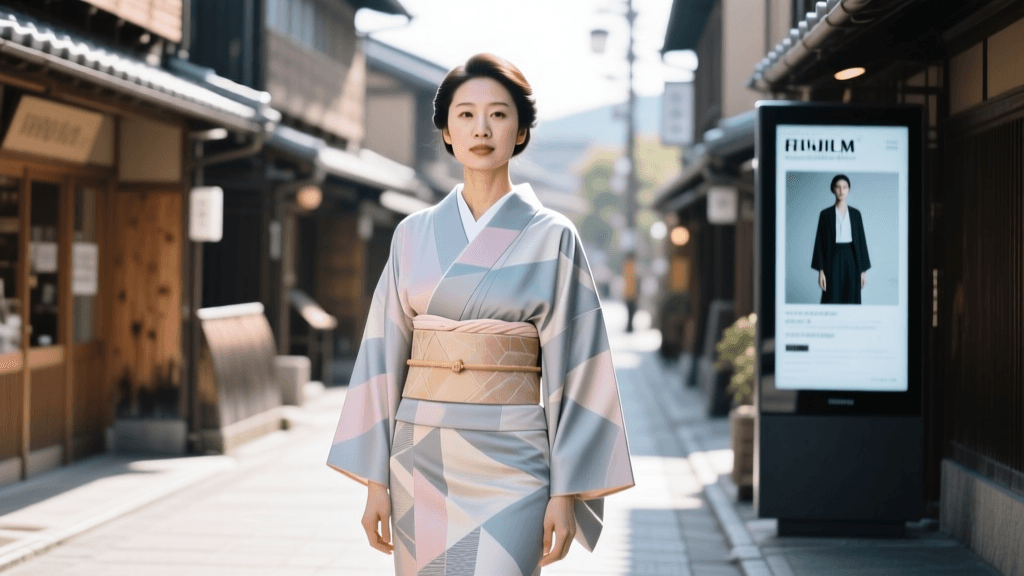
Complete Japanese Kimono Types Guide 2026: Styles & Costs
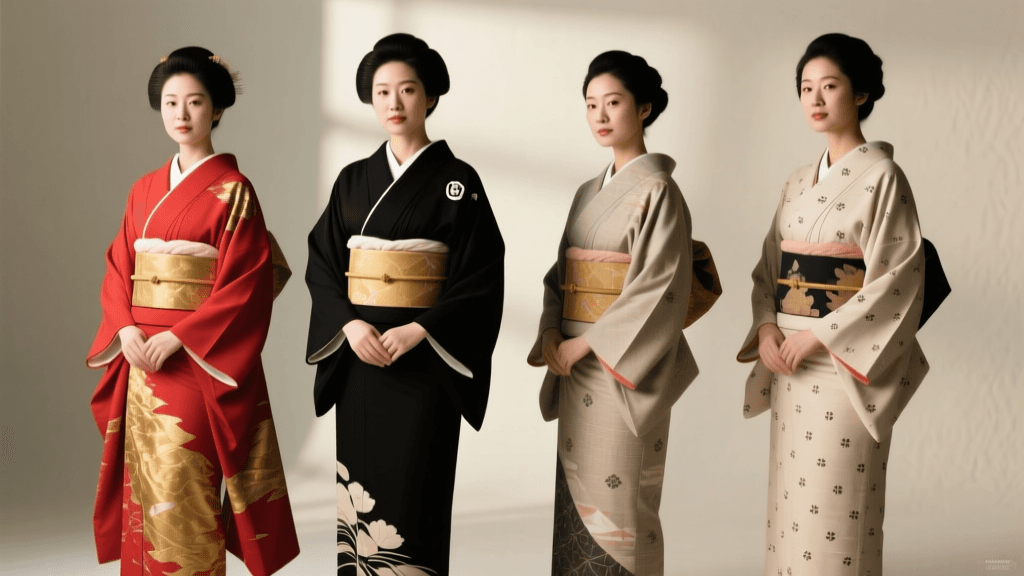
The Enduring Legacy of the Kimono in 2026
The kimono remains one of the most recognizable and culturally significant garments in the world. As we navigate 2026, the Japanese traditional garment landscape has evolved into a fascinating blend of ancestral craftsmanship and modern sustainability. While fast fashion dominates global markets, the kimono stands as a testament to slow fashion, artisanal textile weaving, and deep cultural symbolism. According to the Metropolitan Museum of Art's Heilbrunn Timeline of Art History, the kimono's T-shaped, straight-line construction has remained fundamentally unchanged for centuries, yet the ways in which it is sourced, styled, and worn have adapted remarkably to contemporary life.
For enthusiasts, collectors, and travelers visiting Japan this year, understanding the strict hierarchy of kimono types is essential. Japanese dress is governed by the TPO rule—Time, Place, and Occasion. Wearing the wrong formality level to a tea ceremony or a wedding is considered a significant faux pas. This comprehensive guide breaks down the primary Japanese kimono types, their defining characteristics, and the current 2026 market costs for both purchasing and renting.
The Hierarchy of Formal Japanese Kimono
Formality in Japanese dress is determined by several factors: the presence and number of family crests (kamon), the type of silk used, the dyeing technique (such as yuzen or shibori), and the length of the sleeves. Below is a detailed breakdown of the most prominent kimono types you will encounter.
1. Furisode (振袖): The Pinnacle of Youthful Formality
The Furisode, translating to 'swinging sleeves,' is the most formal kimono worn by unmarried women. It is instantly recognizable by its dramatically long sleeves, which typically measure between 100 cm and 114 cm in length. Historically, the long sleeves were believed to ward off evil spirits and express romantic interest through graceful, sweeping movements.
In 2026, the Furisode remains the undisputed garment of choice for Seijin no Hi (Coming of Age Day) and university graduation ceremonies. The patterns are usually vibrant, covering the entire garment with auspicious motifs like cranes, pine trees, or flowing water. Because a high-quality silk Furisode is a massive investment, the 2026 rental market is highly advanced. Many Kyoto and Tokyo boutiques now offer AR (Augmented Reality) mirrors, allowing clients to digitally 'try on' various Furisode patterns before committing to a physical fitting.
- Sleeve Length: 100 cm – 114 cm
- Formality: Highest (Unmarried women)
- Crests: Usually 3 or 5
- 2026 Average Rental Cost: ¥150,000 – ¥300,000 ($1,000 – $2,000 USD)
2. Tomesode (留袖): The Married Woman's Formal Wear
Once a woman marries, she transitions from the Furisode to the Tomesode. The word translates to 'fastened sleeve,' as the long sleeves of the Furisode are traditionally shortened and sewn up. Tomesode is divided into two distinct categories:
- Kurotomesode (Black Tomesode): The absolute most formal kimono for married women. It is dyed entirely black and features patterns only below the waistline (eba-moyo). It always bears five family crests and is strictly reserved for close relatives' weddings (e.g., the mother of the bride or groom).
- Irotomesode (Colored Tomesode): Featuring a colored base (such as deep navy, sage green, or burgundy) with hemline patterns. It can bear one, three, or five crests and is worn by married female relatives or close friends at formal weddings and imperial garden parties.
3. Houmongi (訪問着): The Versatile Visiting Kimono
The Houmongi is the ultimate 'semi-formal' to 'formal' bridge, worn by both married and unmarried women. Its defining feature is the eba-moyo pattern—a continuous design that flows seamlessly across the seams when the kimono is laid flat. This requires immense skill from the artisan, as the silk must be temporarily basted together, painted or dyed, taken apart, and then re-sewn.
As highlighted by the Victoria and Albert Museum's extensive textile archives, the Houmongi represents the height of the yuzen dyeing technique. In 2026, Houmongi is the preferred choice for attending tea ceremonies, formal dinners, and gallery openings. It typically features one to three crests, though uncrested versions are increasingly popular for modern semi-formal events.
4. Komon (小紋) and Tsumugi (紬): Everyday Elegance
For casual outings, shopping, or informal dining, the Komon is the standard. Komon features a small, repeating pattern that covers the entire garment. It does not bear any family crests and is considered informal. A sub-category, Edo Komon, features incredibly minute, stencil-dyed dots that appear solid from a distance but reveal intricate geometric patterns up close.
Another casual staple is Tsumugi, a pongee silk woven from spun silk threads (often from broken cocoons). Tsumugi has a rustic, nubby texture and a matte finish. Despite being made of 100% silk, its rustic origins classify it as casual wear. In 2026, vintage Tsumugi and Komon are at the forefront of the sustainable fashion movement, with younger generations upcycling these garments into modern streetwear or pairing them with contemporary leather boots and minimalist turtlenecks.
2026 Kimono Sourcing and Cost Comparison
Whether you are looking to invest in an heirloom piece or rent for a specific event, understanding the current market pricing is crucial. The table below outlines the estimated costs and best use cases for each major kimono type in 2026.
| Kimono Type | Formality Level | 2026 Purchase Price (New Silk) | 2026 Rental Price (Full Set) | Best Occasion |
|---|---|---|---|---|
| Furisode | Very Formal (Unmarried) | ¥800,000 - ¥2,000,000+ | ¥150,000 - ¥300,000 | Coming of Age Day, Graduation |
| Kurotomesode | Most Formal (Married) | ¥500,000 - ¥1,500,000 | ¥100,000 - ¥200,000 | Mother of Bride/Groom at Wedding |
| Houmongi | Formal / Semi-Formal | ¥300,000 - ¥800,000 | ¥50,000 - ¥120,000 | Tea Ceremony, Formal Dinners |
| Komon | Casual / Everyday | ¥80,000 - ¥250,000 | ¥15,000 - ¥30,000 | Shopping, Casual Outings, Theater |
| Yukata | Informal (Summer) | ¥10,000 - ¥40,000 | ¥5,000 - ¥10,000 | Summer Festivals, Fireworks |
Essential Accessories: The Obi and Beyond
A kimono is incomplete without its accessories, which often cost more than the garment itself. The Obi (sash) is the centerpiece. For formal wear like Furisode and Tomesode, a Fukuro Obi is required. These are heavily brocaded, often featuring real gold and silver threads, and can cost upwards of ¥500,000 new. The tying of a formal obi into a Taiko musubi (drum knot) requires precision and padding.
For casual Komon or Tsumugi, a Nagoya Obi is preferred. Pre-folded and stitched at one end, it is easier to tie into a simple Otaiko knot. Footwear also follows the TPO rule: formal ensembles require Zori (brocade or vinyl sandals) worn with white split-toe Tabi socks. In 2026, modern interpretations of Tabi, such as those by contemporary brands blending traditional designs with ergonomic soles, have made walking long distances in Kyoto or Tokyo much more comfortable for tourists and locals alike.
Modern Kitsuke (Dressing) and 2026 Innovations
The art of kimono dressing, or kitsuke, is notoriously complex. A standard formal dressing session requires over a dozen separate pieces, including the juban (under-kimono), datejime (tying sashes), and various pads to create the traditional cylindrical body shape, which flattens natural curves to allow the fabric to hang perfectly.
According to the Japan National Tourism Organization (JNTO), the preservation of these traditional arts is a major cultural priority. However, 2026 has seen a surge in 'kitsuke hacks' and modern aids. Silicone body pads have largely replaced traditional cotton towels for creating hip and chest padding, offering a lighter, more breathable experience during humid Japanese summers. Furthermore, clip-on obi-jime (decorative cords) and pre-tied tsuke-obi (fake obi knots) have become highly sophisticated, utilizing 3D-printed lightweight cores that are virtually indistinguishable from hand-tied silk knots.
Conclusion: Embracing the Tradition
Navigating the world of Japanese kimono types is a rewarding journey into a culture that deeply respects aesthetics, seasonality, and social harmony. Whether you are investing in a bespoke Houmongi for a lifetime of formal events, renting a vibrant Furisode for a once-in-a-lifetime celebration, or thrift-hunting for a vintage Komon to integrate into your daily wardrobe, the kimono offers an unparalleled connection to Japanese heritage. By understanding the distinct types and their appropriate contexts, you ensure that your sartorial choices in 2026 are not only visually stunning but culturally respectful and deeply authentic.