Japanese Kimono Types: 2026 Complete Guide to Formal & Casual Wear
Introduction to the Japanese Kimono in 2026
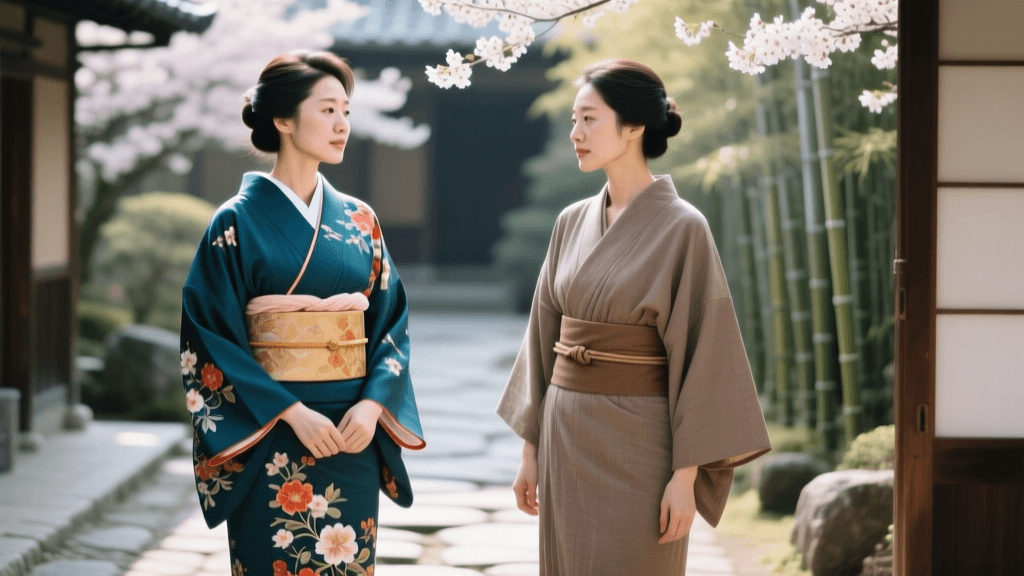
The Japanese kimono is far more than a simple article of clothing; it is a deeply symbolic, wearable canvas that reflects centuries of aesthetic evolution, social hierarchy, and artisanal mastery. As we navigate the global fashion landscape of 2026, the growing appetite for sustainable, slow fashion and heritage craftsmanship has propelled traditional Japanese garments into a vibrant new renaissance. Whether you are attending a formal tea ceremony in Kyoto, participating in a summer matsuri (festival) in Tokyo, or looking to invest in a piece of living history, understanding the distinct types of kimono is essential.
This comprehensive guide breaks down the hierarchy of Japanese traditional garments, offering actionable insights into styling, sourcing, and caring for these magnificent textiles in the modern era. According to the Victoria and Albert Museum, the kimono's enduring legacy lies in its ability to adapt to contemporary aesthetics while strictly preserving its foundational T-shaped silhouette.
The Anatomy of the Kimono
Before diving into specific types, it is crucial to understand the foundational anatomy that unites all kimono. Unlike Western tailoring, which relies on complex darts and curved seams to contour the body, the kimono is constructed from straight, rectangular bolts of fabric known as a tanmono. This flat construction means that the fit is adjusted entirely through the folding and wrapping process, secured by the obi (sash).
The left side is always wrapped over the right side for the living; wrapping right over left is strictly reserved for dressing the deceased for burial. The sleeves, or sode, feature a deep pouch called the furi, which historically held small items and today serves as a primary indicator of the wearer’s age, marital status, and the formality of the occasion.
The Hierarchy of Formality: Formal Kimono Types
Furisode (Unmarried Women's Formal Wear)
At the absolute pinnacle of the kimono hierarchy is the Furisode. Translating to “swinging sleeves,” the furisode is characterized by its dramatically long sleeves, which can measure anywhere from 85 to 114 centimeters in length. As noted by the Metropolitan Museum of Art, the furisode is the most formal attire for unmarried women. In 2026, it remains the undisputed garment of choice for Seijin no Hi (Coming of Age Day), university graduation ceremonies, and formal wedding attendance. Furisode are typically crafted from exquisite silk crepe (chirimen) or figured satin (rinzu) and feature lavish, all-over patterns applied using the resist-dyeing Yuzen technique, often accented with gold leaf and intricate embroidery.
Tomesode (Married Women's Formal Wear)
For married women, the equivalent level of formality is the Tomesode. The most formal iteration is the Kurotomesode (black tomesode), which features a solid black background with elaborate, continuous patterns (eba-moyo) restricted only to the lower half of the garment below the obi. It is adorned with five family crests (kamon) and is traditionally worn by the mothers of the bride and groom at weddings. The Irotomesode (colored tomesode) follows the same structural rules but utilizes pastel or richly dyed backgrounds instead of black, making it suitable for married female relatives attending celebratory events.
Semi-Formal and Casual Kimono Types
Houmongi (Visiting Wear)
Bridging the gap between strict formality and everyday elegance is the Houmongi. Unlike the tomesode, the houmongi features patterns that flow continuously across the seams, shoulders, and sleeves, creating a unified, picture-like motif when the garment is laid flat. It is a versatile semi-formal option worn by both married and unmarried women for tea ceremonies, gallery openings, and formal parties.
Komon (Everyday Casual)
Descending into everyday wear, we find the Komon. Meaning “fine pattern,” the komon features a repeating, all-over design that lacks a directional flow. It is the perfect choice for casual outings, dining with friends, or informal cultural classes. Because of its relaxed nature, the komon allows for greater experimentation with bold, modern obi pairings.
Yukata (Summer & Bathing)
Finally, the Yukata represents the most casual end of the spectrum. Originally a bathrobe for the nobility during the Heian period, the yukata is an unlined garment made of breathable cotton or hemp. In the summer of 2026, modern yukata designs featuring bold, graphic prints and innovative synthetic blends that mimic the drape of silk are dominating street style in districts like Harajuku and Asakusa. It is worn without the complex undergarments required for silk kimono, making it highly accessible for beginners.
Comparison Chart: Kimono Types at a Glance
| Kimono Type | Target Wearer | Formality Level | Sleeve Length | Avg. 2026 Retail Price (USD) |
|---|---|---|---|---|
| Kurotomesode | Married Women | Ultra-Formal | Standard (50cm) | $1,500 - $5,000+ |
| Furisode | Unmarried Women | Ultra-Formal | Long (85-114cm) | $1,200 - $4,500 |
| Houmongi | All Women | Semi-Formal | Standard (50cm) | $600 - $2,000 |
| Komon | All Women | Casual | Standard (50cm) | $150 - $500 |
| Yukata | All Genders | Informal / Summer | Standard (50cm) | $40 - $150 |
2026 Sourcing, Pricing, and Sustainable Trends
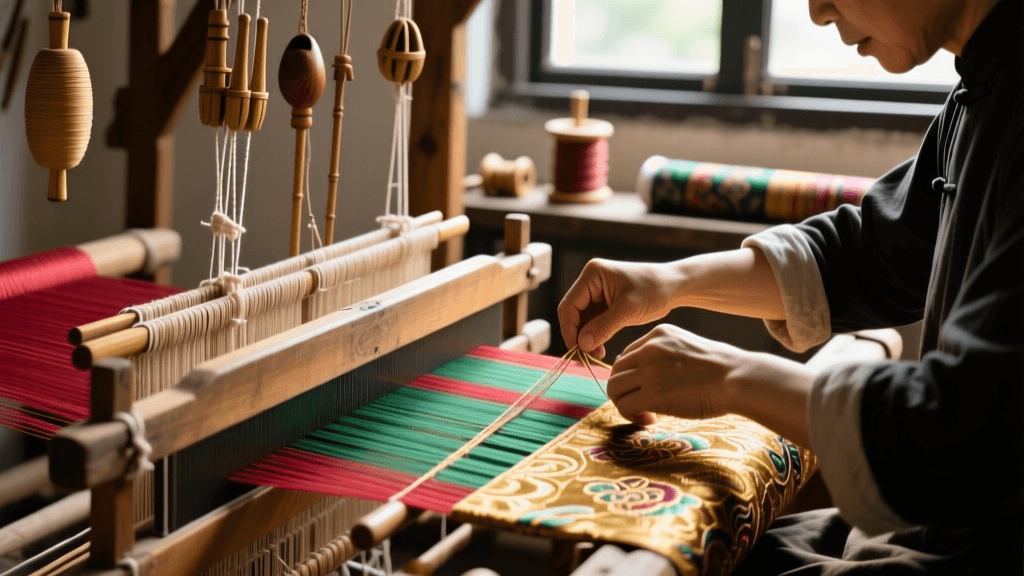
The kimono market in 2026 is defined by a massive shift toward sustainability and vintage appreciation. While ordering a bespoke, hand-painted silk kimono from the Nishijin weaving district in Kyoto can easily exceed $10,000 and take up to six months to complete, the recycle (vintage) kimono market is booming. Platforms like Mercari Japan and specialized vintage shops in Tokyo's Shin-Okubo district offer high-quality, pre-owned silk komon and houmongi for as little as $30 to $150.
For tourists and expats, rental services remain the most practical way to experience formal wear. In 2026, a full-day furisode rental in Kyoto, including professional dressing and hair styling, averages between $80 and $120. The Japan National Tourism Organization highly recommends booking these experiences well in advance during peak seasons like the spring cherry blossoms or autumn foliage, as artisan dressers are in high demand.
Essential Accessories for a Complete Ensemble
A kimono is never worn alone; it requires a specific ecosystem of accessories to achieve the correct silhouette and formality.
- Obi: The sash that secures the kimono. The Fukuro obi is a formal, double-width brocade sash used with furisode and tomesode. The Nagoya obi is narrower and pre-folded, ideal for semi-formal and casual komon.
- Obijime & Obiage: The obijime is a decorative braided cord tied over the obi knot, while the obiage is a silk scarf tucked into the top of the obi to hide the structural padding. In 2026, contrasting, jewel-toned obijime are highly popular for adding a modern pop of color to vintage garments.
- Tabi & Zori: Tabi are split-toe socks, traditionally white for formal wear. Modern 2026 iterations feature stretch fabrics and machine-washable materials. Zori are formal sandals made of brocade or leather, whereas geta (wooden clogs) are reserved for casual yukata.
- Nagajuban: A thin under-robe worn beneath the silk kimono to protect it from sweat and body oils. It features a decorative collar (han-eri) that peeks out at the neckline.
Garment Care and Storage
Caring for a silk kimono requires specialized knowledge. Unlike Western clothing, silk kimono should rarely be washed at home. The traditional Japanese method of maru-arai involves completely unstitching the garment, washing the individual fabric bolts in water, stretching them on wooden frames to dry, and then re-sewing them. Today, specialized kimono dry cleaners offer chemical alternatives that preserve the delicate Yuzen dyes and metallic threads.
For storage, never hang a silk kimono on a standard hanger, as the weight of the fabric will distort the shoulders. Instead, fold the kimono along its original seam lines and store it flat in a tatou-shi (traditional paper wrapper) inside a paulownia wood drawer. Avoid plastic bags entirely, as they trap moisture and promote mold growth, which is a significant risk during Japan's humid rainy season (tsuyu). Cedar blocks or natural camphor should be used to deter insects, ensuring your garment remains pristine for decades to come.
Conclusion
Navigating the world of Japanese traditional garments in 2026 is a rewarding journey into a culture that deeply respects its past while continuously reinventing its future. Whether you are investing in a vintage komon for everyday elegance or renting a magnificent furisode for a once-in-a-lifetime celebration, understanding the rules of formality, fabric, and styling will allow you to wear these historic garments with confidence, respect, and undeniable flair.