Kimono Auctions & Value Appraisal Guide 2026: Expert Tips
The Renaissance of the Secondhand Kimono Market in 2026
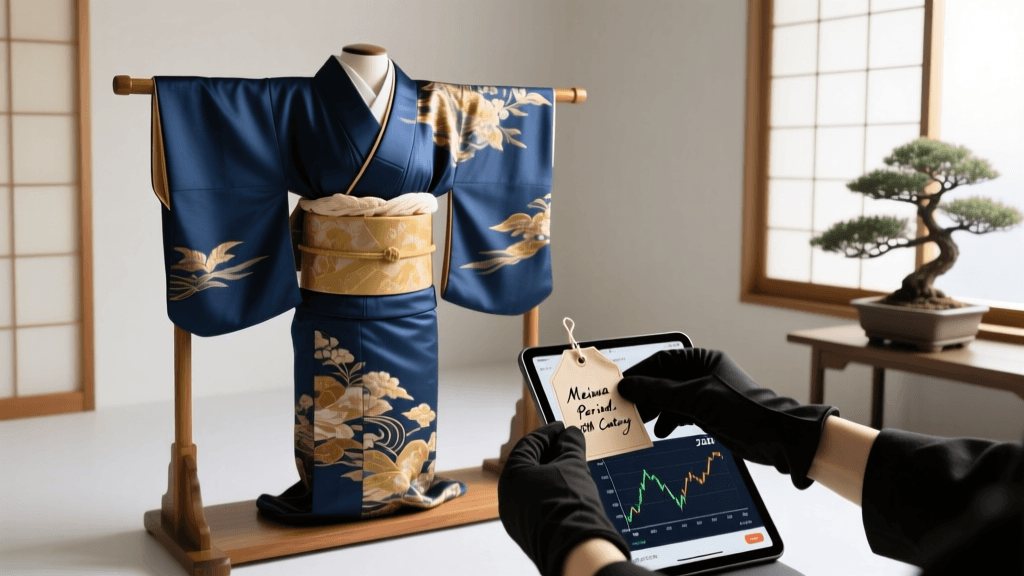
The global appetite for sustainable, heritage fashion has propelled the secondhand kimono market into a new era of prominence in 2026. No longer confined to niche collector circles or local Japanese thrift stores, vintage Japanese garments are now highly sought after on international auction platforms. Driven by a growing awareness of circular fashion and a deep appreciation for traditional craftsmanship, buyers from New York to Paris are actively participating in Japanese online auctions to secure authentic, hand-dyed silk garments. According to the Metropolitan Museum of Art, the kimono is not merely a garment but a profound reflection of Japanese aesthetic and social history, making its preservation through the secondary market a culturally significant endeavor.
However, navigating this market requires more than just an eye for beautiful patterns. The 2026 auction landscape is complex, filled with varying grades of silk, differing historical eras, and nuanced condition reports. Whether you are a seasoned collector looking for a rare Taisho-era piece or a sustainable fashion enthusiast seeking a wearable mid-century garment, understanding how to accurately appraise value and execute strategic bids is essential. This comprehensive guide will equip you with the expert knowledge needed to master kimono auctions and value appraisal in 2026.
Core Appraisal Factors: Evaluating Vintage Kimono
Accurately appraising a kimono before placing a bid requires a systematic evaluation of its material, age, and physical condition. Auction listings on platforms like Yahoo! Auctions Japan often provide limited photographs, making it vital to know exactly what to look for and what questions to ask the seller.
Material Composition: Silk vs. Synthetics
The foundation of a kimono's value lies in its fabric. Authentic, high-grade silk commands a premium, while synthetic blends or polyester replicas (often produced in the late Showa era for easy care) hold minimal collector value. In 2026, advanced listing descriptions usually specify 'pure silk' (正絹 - shoken). If the listing is vague, look for the subtle, natural luster and the slight irregularities in the weave that characterize hand-loomed silk. Traditional weaving hubs, such as those documented by the Kyoto Nishijin Textile Center, produced gold-standard brocades that remain highly liquid assets in the secondary market.
Era and Historical Significance
Vintage kimonos are generally categorized by their historical era, which heavily influences their appraisal value. Taisho-era (1912–1926) garments are the holy grail for collectors, featuring bold, modernist 'Taisho Roman' motifs and exceptionally high-quality silk that pre-dates wartime rationing. Early Showa (1926–1945) pieces often feature exquisite Yuzen dyeing and intricate embroidery. Mid-to-late Showa (1950s–1980s) kimonos are more abundant, making them highly accessible and perfect for everyday wear or upcycling projects, though they generally fetch lower auction prices unless they bear the signature of a Living National Treasure.
Condition and Flaw Identification
Condition is the most critical variable in secondhand appraisal. Japanese sellers are notoriously meticulous about noting flaws, but international buyers must understand the terminology. Look out for 'yake' (sun fading, usually on the shoulders and back), 'shimi' (stains, often from age or improper storage), and 'kabi' (mold spots, which can be a dealbreaker due to the difficulty of removal). Additionally, check the condition of the lining (doura). A pristine exterior with a shattered, brittle lining significantly reduces the garment's wearable value and will require costly professional re-lining.
2026 Kimono Value Appraisal Matrix
To help you benchmark your bids, the following matrix outlines the estimated 2026 auction value ranges for various kimono types based on material, era, and condition. Note that these prices reflect the final hammer price in USD before proxy and shipping fees.
| Kimono Type | Era | Material & Technique | Condition | 2026 Est. Auction Value (USD) |
|---|---|---|---|---|
| Furisode (Long Sleeves) | Taisho / Early Showa | Pure Silk, Hand-painted Yuzen | Excellent (Minor shimi) | $450 - $1,200+ |
| Kurotomesode (Black Formal) | Mid Showa | Pure Silk, Nishijin-ori Hem | Mint / Unused (Shitsuke threads intact) | $150 - $350 |
| Houmongi (Visiting Wear) | 1970s - 1980s | Pure Silk, Eba-moyo (Continuous pattern) | Very Good (Slight yake on shoulders) | $60 - $120 |
| Komon (Everyday Pattern) | Late Showa | Silk Blend / Polyester | Good (Wearable, some stains) | $15 - $40 |
| Meisen (Ikat Silk) | 1920s - 1930s | Pure Silk, Kasuri (Ikat) weave | Good (Fading inherent to style) | $200 - $600 |
Decoding Japanese Auction Terminology
Success on Japanese auction sites hinges on your ability to search using native terminology. Relying on English keywords will limit your results to overpriced listings targeted at foreigners. Master these essential search terms for your 2026 auction strategy:
- 振袖 (Furisode): Unmarried women's formal wear with long, swinging sleeves. Highly collectible for their vibrant, expansive canvas.
- 留袖 (Tomesode): Married women's formal wear. 'Kurotomesode' is black with family crests; 'Irotomesode' is colored.
- 訪問着 (Houmongi): Semi-formal visiting wear featuring patterns that flow across the seams when the garment is laid flat.
- 小紋 (Komon): Casual wear with repeating patterns. Excellent for beginners and daily styling.
- 正絹 (Shoken): Pure silk. Always include this in your search filters to weed out synthetics.
- 仕立て上がり (Shitate-agari): Ready-to-wear / already tailored. Crucial if you want a garment that does not require immediate, expensive re-tailoring.
- 難あり (Nan-ari): 'With flaws.' Listings with this tag are heavily discounted. If you are buying for upcycling or do not mind minor stains, this is where you find incredible bargains.
Strategic Bidding on Yahoo! Auctions Japan
Yahoo! Auctions Japan (Yahuoku) remains the undisputed king of the secondhand kimono market. However, as a global buyer in 2026, you will likely need to utilize a proxy bidding service. Understanding the mechanics of these platforms is vital to securing your desired pieces without overpaying.
Proxy Services and Hidden Costs
Services like Buyee, ZenMarket, and Blackship (formerly FromJapan) act as your local agent. When calculating your maximum bid, you must factor in the 2026 proxy fee structures, which typically include a base handling fee (around 300 to 500 JPY per item), domestic Japanese shipping to the proxy's warehouse, and international shipping. Furthermore, kimono are surprisingly heavy; a fully lined silk kimono with a nagoya obi can easily exceed 1.5 kilograms. Always use the proxy's shipping simulator to estimate the final landed cost before committing to a bidding war.
Timing Your Bids for Maximum Value
The Japanese auction market operates heavily on weekend cycles. Listings ending on Saturday and Sunday evenings (Japan Standard Time) attract the highest volume of domestic bidders, driving up final prices. Conversely, auctions that conclude on Tuesday or Wednesday mornings often fly under the radar, resulting in lower hammer prices. Utilize the 'auto-bid' or 'sniping' features offered by your proxy service to place your maximum bid in the final 30 seconds of the auction, preventing emotional bidding wars that artificially inflate the market value.
The Crucial Role of Measurements and Sizing
Unlike Western clothing, kimono are not sized by standard S/M/L metrics. They are tailored to the individual's body, meaning vintage garments are often significantly smaller than what modern Western buyers require. When appraising a kimono's wearable value, you must scrutinize two key measurements provided in the listing:
- 身丈 (Mitake - Length): Measured from the back of the neck to the hem. For a traditional fit, this should roughly match your height. If the mitake is more than 10 cm shorter than your height, the kimono cannot be worn traditionally without looking awkward, severely limiting its market value to collectors or upcyclers.
- 裄丈 (Yukitake - Arm Span): Measured from the center back seam, across the shoulder, to the wrist. Vintage kimonos often have a yukitake of 62-64 cm, which may result in the sleeves ending mid-forearm on taller international buyers. While a skilled kitsuke (kimono dresser) can hide minor discrepancies, severe mismatches will impact the garment's aesthetic and financial appraisal.
Post-Auction Preservation and Care
Once you have won your auction and the garment arrives, proper preservation is key to maintaining its appraised value. The Victoria and Albert Museum emphasizes that historical textiles require strict environmental controls. Never store your vintage silk kimonos on wire hangers, as the weight of the wet silk will distort the shoulders and cause irreversible stretching. Instead, fold them along their original seams and store them flat in a cool, dark, and dry environment. Use acid-free tissue paper (tato-shi) to separate the folds and prevent moisture buildup. Avoid plastic garment bags, which trap humidity and invite mold (kabi), the ultimate destroyer of silk value.
Conclusion
The 2026 secondhand kimono market offers an unprecedented opportunity to acquire wearable art, participate in sustainable fashion, and preserve Japanese cultural heritage. By mastering the nuances of material appraisal, understanding historical eras, and employing strategic bidding techniques on Japanese auction platforms, you can build a remarkable collection while respecting the true value of these masterpieces. Approach every listing with an analytical eye, respect the craftsmanship of the original artisans, and enjoy the thrilling pursuit of the perfect vintage kimono.