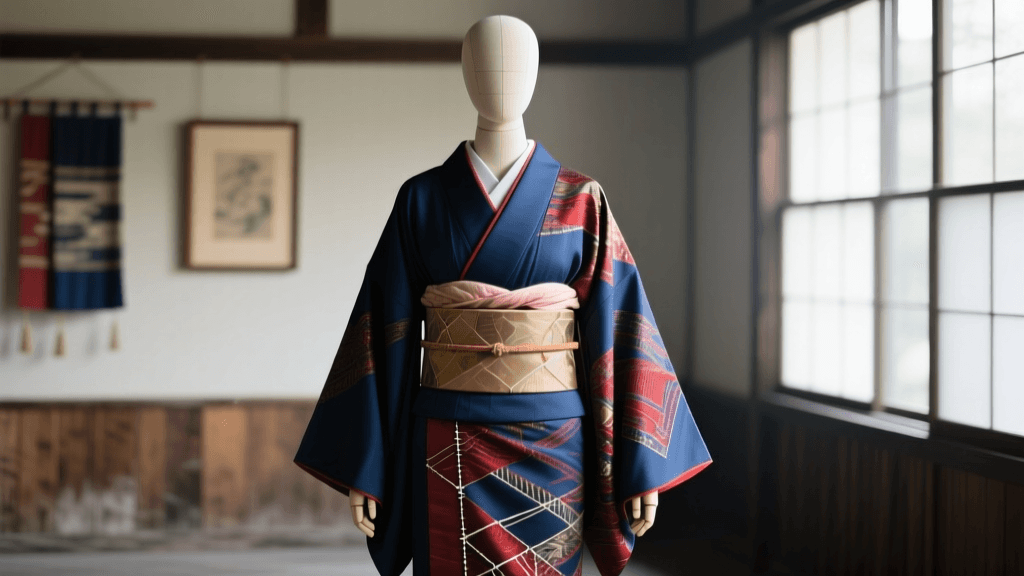
Vintage Silk Kimono Preservation: Arai-Hari & Storage 2026
The Art and Science of Kimono Preservation in 2026
Preserving a vintage silk kimono is an act of cultural stewardship. These garments are not merely clothing; they are woven canvases that reflect centuries of Japanese textile artistry, featuring intricate dyeing techniques like yuzen and shibori, as well as delicate metallic thread work. However, silk is a protein fiber that is inherently vulnerable to environmental stressors. As we navigate 2026, the intersection of traditional Japanese preservation techniques and modern archival science offers unprecedented ways to protect these masterpieces from degradation, humidity, and pests.
Whether you are a collector of Taisho-era romanza kimono, a practitioner of traditional tea ceremony requiring pristine Edo-period komon, or simply an heirloom owner, understanding the precise mechanics of silk care is essential. This comprehensive guide details the traditional restoration method of arai-hari, modern climate-controlled storage solutions, and the meticulous seasonal rituals required to keep your silk garments pristine for future generations.
Understanding Arai-Hari: Traditional Restoration
Unlike Western garments, a kimono is constructed from straight bolts of fabric (tanmono) sewn together with flat, straight seams. This unique construction allows for a specialized, centuries-old cleaning and restoration technique known as arai-hari (wash and stretch). When a kimono becomes heavily soiled, loses its shape, or suffers from decades of accumulated starch and sweat, dry cleaning is often insufficient and can sometimes damage delicate dyes.
The arai-hari process involves completely unsewing the garment into its original flat panels. These panels are then gently washed using specialized, pH-neutral detergents. In 2026, master artisans still utilize traditional soapberry extracts or highly refined, conservation-grade cleaners similar to Orvus WA Paste, ensuring the silk fibroin proteins are not stripped of their natural sericin coating.
After washing, the wet silk panels are stretched onto large wooden boards called itabari using hundreds of tiny pins. This tensioning process realigns the warp and weft threads, removes deep wrinkles, and restores the fabric's original luster and drape. Once dry, the panels are carefully re-sewn by hand. Finding certified arai-hari artisans has become increasingly specialized in 2026, with the process typically costing between ¥25,000 and ¥40,000 ($160 to $260 USD) per garment, taking up to three months to complete. It is an investment reserved for high-value, heavily soiled, or structurally compromised antique silks.
Modern Climate-Controlled Storage Solutions
The greatest enemies of silk are fluctuating humidity, ultraviolet light, and acidic environments. According to the Victoria and Albert Museum's textile conservation guidelines, maintaining a stable relative humidity (RH) between 45% and 55% is critical for protein fibers. If humidity drops below 40%, silk becomes brittle; if it rises above 60%, the risk of mold spore germination increases exponentially.
In 2026, collectors are increasingly integrating smart home technology with traditional storage methods. The use of WiFi-enabled thermo-hygrometers, such as the Govee H5179, allows collectors to monitor micro-climates inside storage chests remotely. These sensors can be linked to smart plugs that automatically activate localized desiccant dehumidifiers when the RH inside a storage closet breaches the 55% threshold.
Archival Materials and Wrapping
Never store silk in direct contact with cardboard, standard tissue paper, or wooden hangers, as these materials off-gas acidic compounds that cause yellowing and fiber rot. Always wrap your kimono in 100% acid-free, unbuffered tissue paper (such as Lineco or Gaylord Archival brands). Buffered tissue, which contains calcium carbonate, is suitable for cotton and linen but can damage silk and metallic threads over time.
Comparison of Kimono Storage Methods
Choosing the right storage vessel is paramount. Below is a comparison of the most common storage methods utilized by collectors and museums in 2026.
| Storage Method | Pros | Cons | Estimated 2026 Cost |
|---|---|---|---|
| Traditional Paulownia Tansu (Kiri) | Naturally hygroscopic; repels insects; breathes with humidity changes. | Extremely heavy; requires ample floor space; high initial investment. | $800 - $2,500+ |
| Archival Museum Boxes | Acid-free; stackable; excellent for long-term, undisturbed storage. | Does not regulate humidity; requires external climate control. | $40 - $85 per box |
| Plastic Vacuum Sealing | Compact; blocks dust and pests completely. | WARNING: Crushes silk fibers, traps moisture, causes permanent creasing. | $15 - $30 |
| Cotton Storage Bags (Tatou) | Breathable; traditional; protects from dust and light. | Offers no structural support; vulnerable to pests if not treated. | $20 - $50 |
As noted by the Smithsonian Museum Conservation Institute, vacuum sealing is highly detrimental to historic textiles. The immense pressure crushes the delicate three-dimensional structure of silk weaves, particularly textured fabrics like chirimen (crepe), and can cause irreversible damage to metallic surihaku (gold leaf) applications.
Pest Management: Protecting Silk Without Chemicals
The webbing clothes moth (Tineola bisselliella) and the carpet beetle are voracious consumers of protein fibers. In the past, collectors relied heavily on naphthalene or paradichlorobenzene mothballs. In 2026, these volatile organic compounds (VOCs) are strictly avoided in professional conservation. Not only are they toxic to humans, but their chemical off-gassing reacts with the metallic threads (kinran and ginran) used in formal kimono, causing irreversible blackening and tarnishing.
Instead, modern preservation relies on integrated pest management (IPM). Use natural, untreated cedar blocks or lavender sachets, but ensure they are wrapped in acid-free tissue so they never directly touch the silk, as natural oils from cedar can stain the fabric. Furthermore, freezing is an excellent, non-toxic method for eradicating hidden pest eggs. If you suspect an infestation, seal the kimono in a polyethylene bag, remove the air, and place it in a deep freezer at -20°C (-4°F) for 72 hours. Thaw it slowly at room temperature before opening the bag to prevent condensation from forming on the silk.
The Seasonal Airing Ritual: Mushiboshi
Even in climate-controlled environments, kimono require periodic airing, a practice known as mushiboshi (literally 'insect airing'). This ritual allows trapped moisture to escape and gives the owner an opportunity to inspect the garment for early signs of mold or pest activity.
In 2026, the optimal time for mushiboshi is during late autumn or early winter, when the air is crisp, dry, and cool. Never air your kimono during the humid summer months or the rainy season (tsuyu), as the silk will absorb ambient moisture, leading to mold growth. Choose a dry, overcast day with low humidity. Avoid direct sunlight, as UV radiation rapidly degrades silk proteins and causes severe fading in natural dyes like indigo and safflower.
Step-by-Step Mushiboshi Guide
- Preparation: Ensure the room is clean, dry, and free from direct sunlight. Lay down a clean, dry cotton sheet.
- Unfolding: Gently remove the kimono from its storage box and unfold it completely. Do not hang it on a hanger for extended periods, as the weight of the silk can distort the shoulders over time.
- Airing: Allow the garment to rest flat or draped over a padded, acid-free drying rack for 2 to 4 hours.
- Inspection: Carefully examine the collar, cuffs, and hem for any discoloration, spotting, or fraying. Check the folds for signs of insect frass (droppings).
- Refolding: Refold the kimono precisely along its original crease lines to prevent new, permanent wrinkles from forming. Place fresh acid-free tissue paper between the folds to cushion the creases and absorb residual moisture.
Handling and Display Best Practices
When handling vintage silk, always ensure your hands are freshly washed and completely dry, or wear clean, lint-free cotton gloves. The natural oils, salts, and acids present on human skin can transfer to the silk, leaving invisible stains that oxidize and turn brown over time.
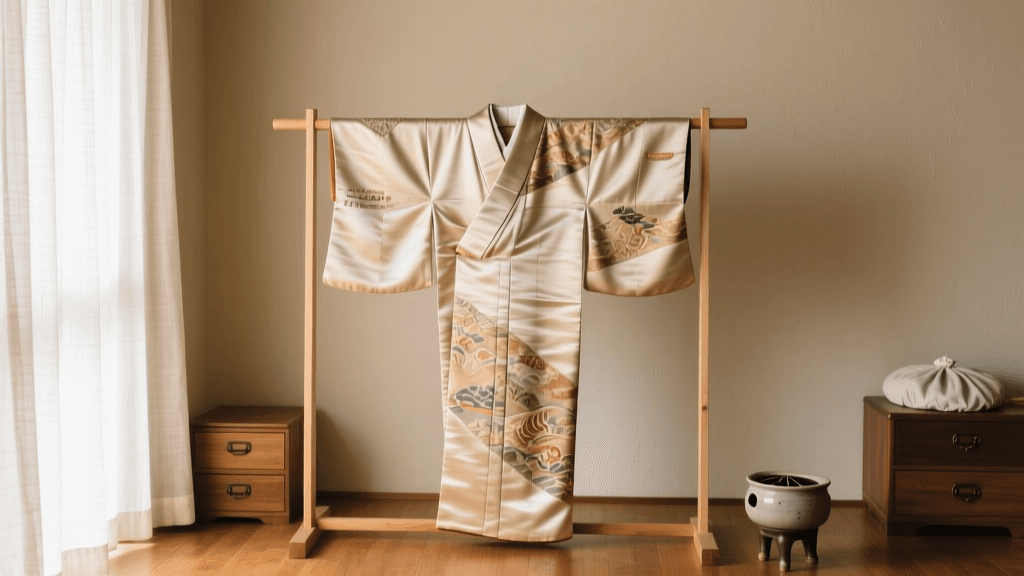
If you choose to display your kimono on an ikou (traditional wooden kimono stand), ensure the wood is sealed and finished with a non-off-gassing, water-based polyurethane. Unfinished woods can leach tannins and acidic sap into the fabric. Limit display time to a maximum of three to six months, after which the garment should be rotated back into dark, climate-controlled storage to minimize cumulative light exposure.
Conclusion
Preserving a vintage silk kimono in 2026 requires a harmonious blend of ancestral wisdom and modern scientific precision. By respecting the traditional arai-hari restoration process, utilizing smart climate-monitoring technology, and adhering to strict archival storage protocols, collectors can halt the march of time. These garments are tangible links to the artisans who wove, dyed, and stitched them. With diligent care, your silk kimono will continue to tell its vibrant cultural story for centuries to come.